

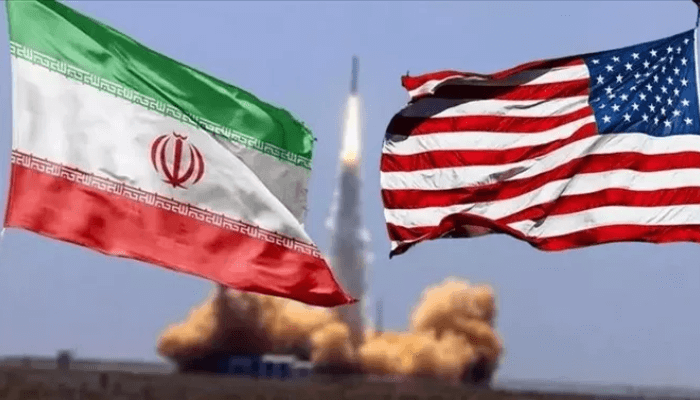


OPEC+ has agreed in principle to a modestly larger oil output increase next month, as tensions triggered by US and Israeli strikes on Iran risk driving crude prices higher.
Key members of the alliance, led by Saudi Arabia and Russia — which had halted a series of supply hikes in the first quarter, are expected to raise production by 206,000 barrels per day, according to Bloomberg, citing sources familiar with the private discussions.
The planned increase exceeds the 137,000 barrels per day monthly additions recorded in the fourth quarter and comes against a backdrop of escalating unrest in the Middle East.
The conflict has reportedly led to the death of Iranian Supreme Leader Ayatollah Ali Khamenei in strikes by the United States and Israel, a development that has sharply escalated tensions across the Middle East and raised concerns about global energy markets.
The formal decision on oil output quotas by major OPEC+ members may not fully reflect the wider set of actions and market impacts unfolding amid the rapidly changing geopolitical situation.
Several OPEC+ members, including Saudi Arabia, Iraq, Kuwait, and the United Arab Emirates, had already started increasing oil exports last month, echoing the approach they took following US strikes on Iran’s nuclear facilities in June 2025.
The planned production boost of 206,000 barrels per day surpasses the previous monthly increase of 137,000 barrels per day recorded in the fourth quarter of 2025.
The decision comes amid heightened geopolitical tensions that threaten the Strait of Hormuz, a crucial route for global oil shipments.
The ongoing Gulf crisis has already slowed maritime traffic, raising concerns about whether OPEC+ members can maintain higher export levels.
The situation underscores the delicate balance the alliance must navigate between ensuring global oil supply and responding to regional tensions that threaten market stability.
OPEC+, which brings together the Organization of Petroleum Exporting Countries and key allies such as Russia, collectively controls a substantial portion of global oil production, giving its policy decisions significant influence over prices.