




OPEC+ is set to raise its oil production quota by 206,000 barrels per day for May 2026.
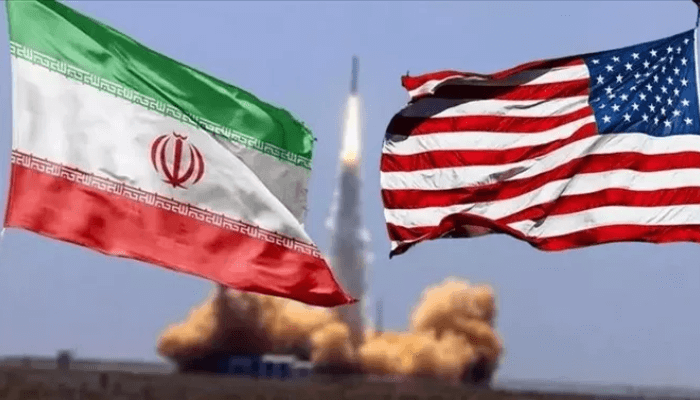
This is according to sources who spoke to Reuters ahead of the group’s meeting. However, the planned increase is expected to have limited real impact, as ongoing geopolitical tensions—particularly the U.S.-Israeli conflict with Iran continue to disrupt supply across key producing nations.
The crisis has significantly constrained output from major Gulf producers, raising concerns about the effectiveness of OPEC+ supply adjustments in stabilising global oil markets.
Reuters stated that sources indicate that eight core OPEC+ members have agreed in principle to implement the same production increase approved for April. However, the ongoing conflict has severely disrupted operations: The Strait of Hormuz, a critical global oil transit route, has remained largely shut since late February. Key producers such as Saudi Arabia, Iraq, Kuwait, and the UAE have seen exports constrained. Russia’s output remains limited due to Western sanctions and war-related infrastructure damage. Despite reports of limited transit activity resuming, uncertainty remains over how quickly supply routes and production capacity can normalise.
One source noted that even if the conflict ends immediately, it could take months to restore full production levels due to infrastructure damage across the region. The development comes amid what analysts describe as one of the largest oil supply disruptions in modern history, with an estimated 12–15 million bpd—about 15% of global supply—affected.
OPEC+ had been gradually unwinding production cuts since 2025 to regain market share, raising quotas by 2.9 million bpd between April and December 2025 before pausing increases in early 2026. For Nigeria, the situation presents a mixed outlook: Rising oil prices could boost government revenues. However, declining domestic production limits the country’s ability to benefit. Latest data shows: Nigeria’s crude output fell to 1.31 million bpd in February 2026, down from 1.45 million bpd in January. Persistent issues such as oil theft, pipeline vandalism, and infrastructure gaps continue to weigh on production. Analysts estimate that every 100,000 bpd shortfall could result in billions of naira in lost monthly revenue. This production gap continues to weaken fiscal buffers and intensify pressure on Nigeria’s foreign exchange market.
While OPEC+’s planned output increase signals an intent to stabilise markets, the ongoing supply disruptions mean the policy may exist largely on paper in the short term. Nairametrics earlier reported that OPEC+ had decided to pause its planned oil supply increases through the first quarter of 2026.
OPEC+ brings together the Organization of Petroleum Exporting Countries and key allies, including Russia, and collectively controls a large share of global oil supply, giving its decisions significant influence over oil prices. Nigeria has struggled in recent years to meet its OPEC production quota due to oil theft, pipeline vandalism, and underinvestment, limiting its ability to fully benefit even when output caps are raised. Government projections for 2026 include an oil production benchmark of 2.6 million barrels per day and a price benchmark of $64 per barrel.