


The United Nations has issued a grave warning that the massive proliferation of approximately one billion small arms and light weapons circulating globally is significantly fueling conflicts across Africa and the world.
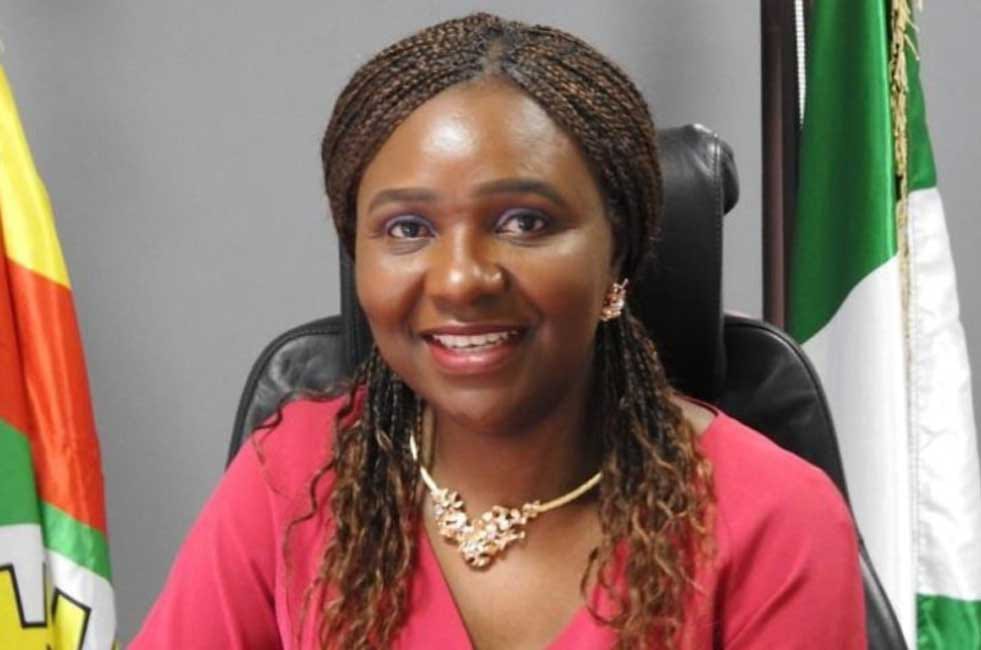
Adedeji Ebo, the Director and Deputy High Representative of the UN Office for Disarmament Affairs, informed the Security Council in New York that illicit weapons are sustaining conflict, terrorism and criminal networks across multiple regions.
Ebo stated that “More than one billion firearms are in circulation globally,” emphasizing the scale of the problem.
He added that “The illicit trade and misuse of small arms and light weapons fuels armed violence, terrorism and organised crime,” and warned that “Weapons diverted from national stockpiles, or at any point throughout the supply chain, could end up in the hands of non-state armed groups.”
The UN deputy disarmament chief acknowledged recent steps taken to strengthen arms control frameworks but highlighted that illicit weapons still manage to find their way to non-state armed groups. Ebo warned that “the weapons produced and transferred today risk fuelling the instability of tomorrow.”
He urged the Security Council to integrate small arms controls into peace operations, peacebuilding strategies, and sanctions monitoring, stating, “Our responsibility is clear,” and that “We must prevent the diversion and illicit manufacturing of small arms and light weapons, or we will face the consequences of deepening insecurity.”
The UN official called for coordinated global action to halt the illicit flows that are driving conflict, organized crime, and displacement in the Sahel and other areas.
Ebo also pointed to the growing spread of 3D-printed “ghost guns” without serial numbers, which are increasingly appearing in illicit markets in Western Europe and Latin America.
Ebo underlined the stark human cost, noting that the UN recorded at least 48,000 conflict-related civilian deaths in 2024, with small arms accounting for up to 30 per cent in some contexts. “These abuses are preventable,” he stressed, advocating for stronger stockpile controls, tracing systems, and compliance with arms embargoes.
He further asserted that controlling small arms is “a prerequisite for sustainable peace” and highlighted the African Union (AU)-led efforts to harmonize stockpile management and support amnesty and disarmament initiatives.
Though Africa Amnesty Month and related programmes have resulted in the destruction of tens of thousands of weapons, he noted the problem’s vast scale remains a challenge.
Mohamed Ibn Chambas, the African Union High Representative for Silencing the Guns, emphasized that small arms proliferation is “a cancer” driving instability across the continent, from the Sahel to the Great Lakes region, adding, “These weapons are being used to unleash horrific violence and suffering in the Darfur region of Sudan,” specifically referencing reported atrocities in El Fasher.
Roraima Andriani, UN Special Representative to INTERPOL, the international police and crime-fighting organization, cautioned that illicit firearms trafficking is now profoundly interlinked with cross-border organized crime.
Andriani explained that these networks utilize weapons to control territory, protect illicit economies, and expand their influence. “This is a transnational chain of violence that can only be addressed through transnational cooperation,” she said.
She noted that INTERPOL’s global iARMS database holds over two million records of lost, stolen, and trafficked weapons. This data supports multinational operations that have successfully seized thousands of firearms and dismantled networks connected to terrorism, trafficking, and illegal mining.
Andriani concluded that “No measure taken in isolation can prevent the flow of such weapons across the globe,” and urged the Security Council to explicitly include INTERPOL’s role within sanctions and arms embargo mandates.