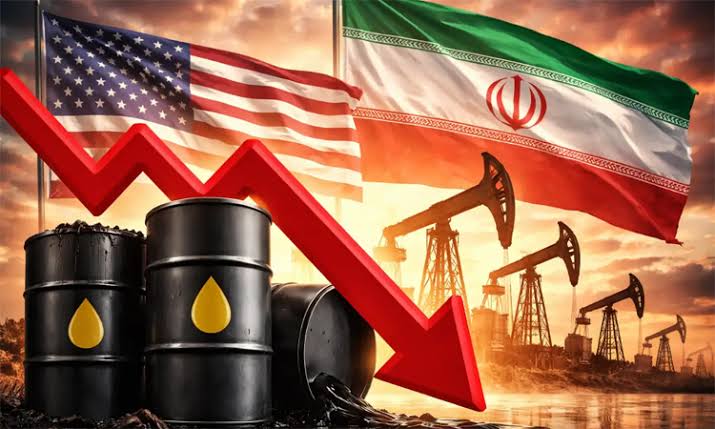
International crude oil prices fell by more than four per cent on Monday as prospects of a diplomatic breakthrough to end the US-Israeli war on Iran eased fears of further disruptions to global oil supplies.
Brent crude declined by 4.5 per cent to $118.3 per barrel, while US West Texas Intermediate fell by 4.37 per cent to $99.57 per barrel at the time of reporting.
The latest losses followed three consecutive days of diplomatic engagements involving Iranian and Qatari officials, aimed at advancing negotiations to end the conflict. The war has intensified concerns over crude oil supplies and the safety of shipping routes across the Middle East.
The easing of oil prices reflects growing market expectations that ongoing diplomatic efforts could prevent further escalation of hostilities, although uncertainties surrounding the region continue to shape developments in the international oil market.
Iranian Foreign Minister Abbas Araqchi said on Sunday that the objective of the “ongoing and progressing” discussions was to sustain consultations with Qatari mediators. He also maintained that Tehran was prepared for “both defence and diplomacy”.
The diplomatic initiative has also received backing from the United States, with President Donald Trump reportedly favouring negotiations rather than a return to military action.
According to Axios, which cited unidentified sources, Trump told Israeli Prime Minister Benjamin Netanyahu that he wanted to give negotiations an opportunity to play out.
Similarly, US Secretary of State Marco Rubio said on Saturday that no decision had been taken on fresh attacks, adding that Trump preferred a diplomatic resolution to the conflict.
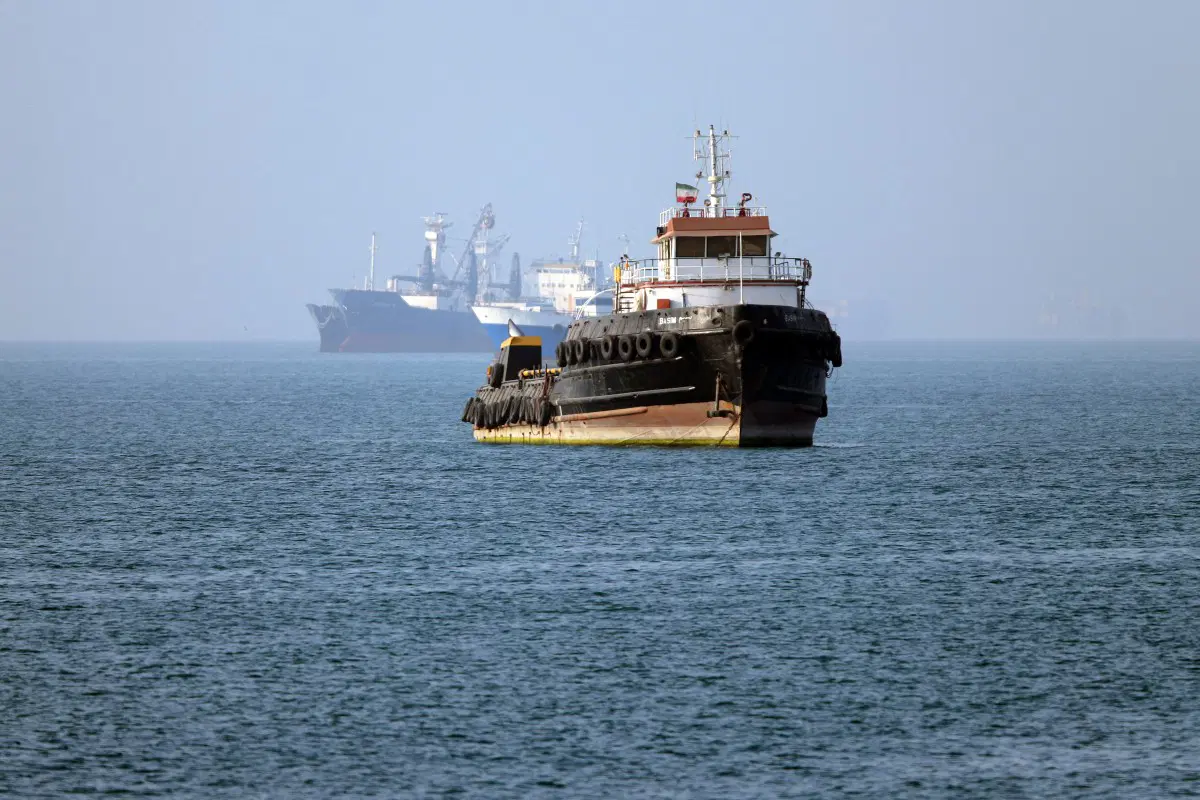
The renewed push for negotiations has helped ease fears of further military confrontations across the region, despite continuing attacks on vessels around the Strait of Hormuz, a major international oil shipping route.
The latest decline follows a significant rally in crude oil prices throughout October, driven by escalating tensions involving the United States, Israel and Iran and growing concerns about possible disruptions to global supplies.
On October 30, Brent crude traded at $117.30 per barrel, representing a 2.14 per cent increase at the time of reporting. US West Texas Intermediate crude also rose by $1.85 to $103.80 per barrel.
The October price surge was largely fuelled by intensifying attacks across the Middle East, particularly concerns over the security of energy infrastructure and strategic shipping corridors essential to international crude oil transportation.
Fears surrounding global supplies were further heightened by renewed attacks claimed by Yemen’s Houthi movement against Saudi Arabia’s energy infrastructure.
The group’s spokesperson, Yahya Saree, disclosed in a post on X that the Houthis had targeted several strategic facilities.
However, it remains unclear whether the latest reduction in international crude oil prices will lead to cheaper petrol and other energy products, particularly in markets still struggling with elevated energy inflation.
The prolonged increase in crude oil prices has continued to pose challenges for economies already facing rising energy expenses. Higher international oil prices can translate into increased costs of transportation, electricity generation, manufacturing and petroleum products.
In Nigeria, energy inflation more than doubled to 10.85 per cent year-on-year in September 2026, compared with 4.69 per cent recorded in August, according to the National Bureau of Statistics.
The figures underscore the growing financial burden of energy costs on households and businesses, even as governments in different parts of the world adopt policies to safeguard domestic supplies.
In October 2026, Niger prohibited the export of petrol and diesel as part of efforts to prioritise local consumption. However, specially authorised exports of surplus products by state-owned SONIDEP and refinery operator SORAZ are still allowed.
The restriction highlights increasing concerns among governments about maintaining sufficient domestic energy supplies amid uncertainties in the international market.
Meanwhile, a September 2026 policy brief by the United Nations Development Programme indicated that global fossil fuel subsidies could surpass $1tn in 2026, as governments shoulder part of the rising energy costs to cushion households and businesses from the impact of higher prices.