





The Nigerian National Petroleum Company Limited aims to attract $60 billion in new investments over the next five to seven years to enhance the country’s gas infrastructure.
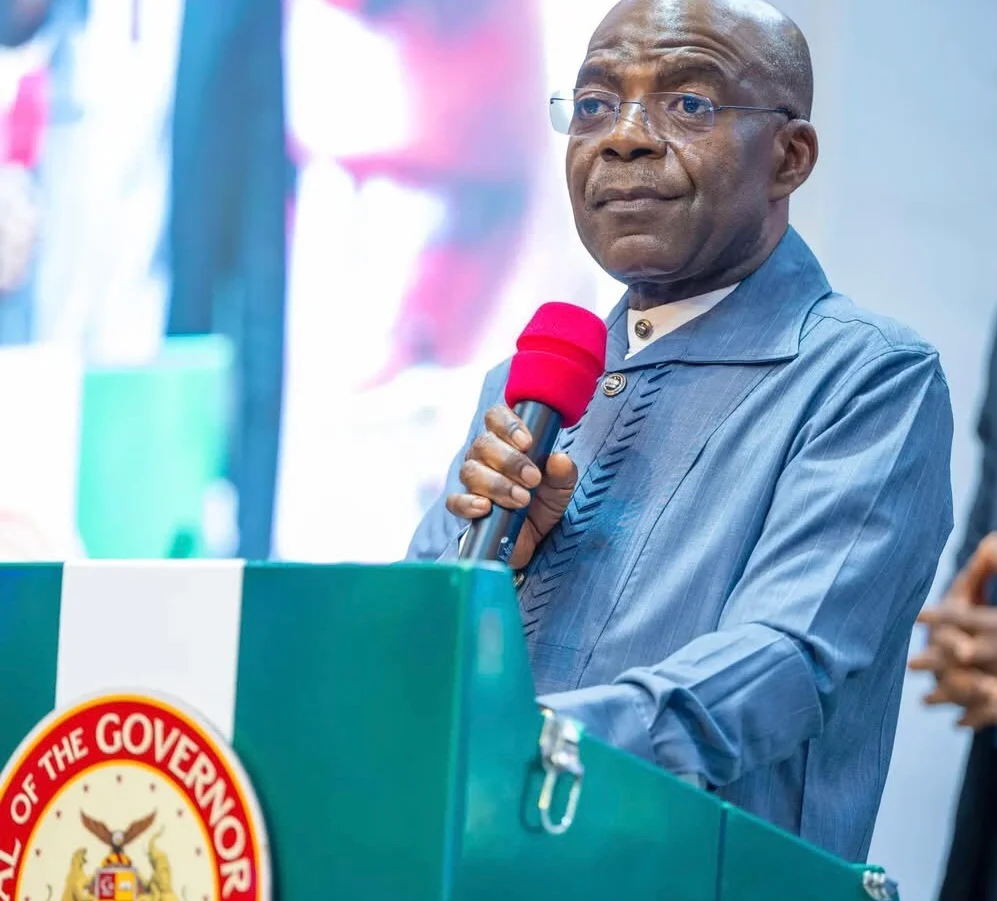
NNPCL’s Group Chief Executive Officer,
Bayo Ojulari, made this disclosure on Tuesday while addressing an international audience at the Gastech Exhibition and Conference in Milan, Italy.
He said that the federal government seeks the funding to drive industrialisation and strengthen Nigeria’s position in the global energy market, according to NAN.
Ojulari added that the investment would help increase Nigeria’s natural gas production to 12 billion cubic feet per day and expand refinery capacity to meet rising global energy demand.
“We are seeking at least 60 billion dollars in investment over the next five to seven years, which for our oil and gas industry is just the tip of the iceberg,” he said.
“We are seeking investors to grow production.”
Ojulari noted that the Petroleum Industry Act, enacted in 2021, transformed NNPC into a limited liability company, allowing it to secure direct funding and establish international partnerships.
He added that the company is currently producing around 1.6 million barrels of crude oil per day and has set targets to increase output to 2 million bpd by 2027 and 3 million bpd by 2030.
The NNPCL boss highlighted key ongoing projects, including the Ajaokuta–Kaduna–Kano pipeline, the extension of the West African Gas Pipeline to Morocco and Europe, and the expansion of the Nigeria LNG project.
He noted that Nigeria currently supplies 60 per cent of LNG to Portugal and Spain, is completing Train 6, is constructing Train 7 for 2026, and has plans for Trains 8 and 9.
“Nigeria has one of the best-run LNG businesses globally. We want to take advantage of the current high energy demand, which is also expected to go even higher,” Ojulari said.
Also addressing the event, the Minister of State for Petroleum Resources (Gas), Ekperikpe Ekpo, reaffirmed Nigeria’s commitment to using its vast reserves to promote industrialisation, regional integration, and global energy security.
He emphasized that natural gas remains central to the country’s energy strategy, supporting industries, clean cooking, agriculture, job creation, and public health.

