The Nigerian Midstream and Downstream Petroleum Regulatory Authority has introduced new conditions for issuing petrol import licences, stating that approvals will be guided by published merit-based criteria and a transparent assessment of supply shortfalls as domestic refineries expand their contribution to the country’s fuel supply.
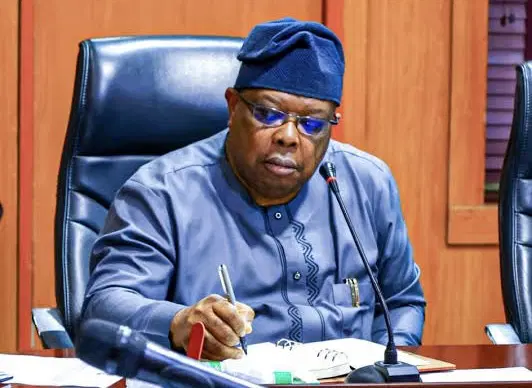
The Authority’s Chief Executive, Rabiu Umar, disclosed this while delivering the keynote address at the 2026 OTL Africa Downstream Energy Week in Lagos, themed ‘Secure Energy, Shared Prosperity’.
For our importers, the door stays open. Import licences will be issued only on the basis of published merit-based criteria and also a transparent shortfall determination that everybody can audit,” he said.
“For our importers, the door stays open. Import licences will be issued only on the basis of published merit-based criteria and also a transparent shortfall determination that everybody can audit,” he said.
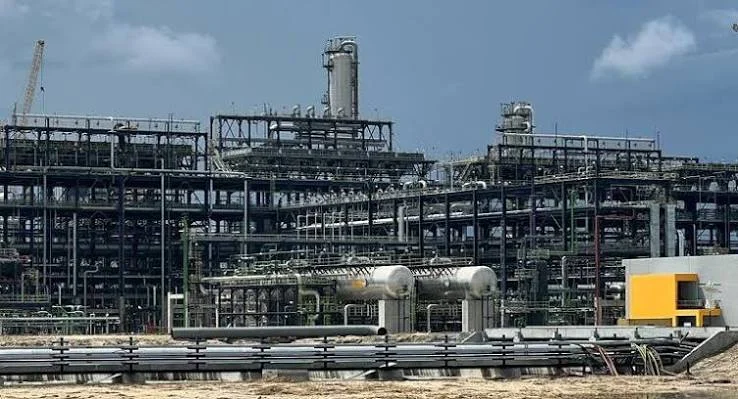
His remarks come amid a major shift in Nigeria’s petrol supply, with the regulator disclosing that domestic refineries now account for about 75 per cent of the country’s petrol supply, while imports have fallen by more than half in the past year.
“A year ago, more than half of the petrol in Nigerian tanks was imported. Last month, three litres in every four were refined here. I think that is a significant achievement,” Umar said.
He attributed the shift to increased domestic refining capacity, noting that Nigeria had sustained fuel supply despite disruptions in the global energy market.
He said the growing reliance on local refining had strengthened Nigeria’s energy security by reducing dependence on imported petroleum products and retaining more value from the sector within the domestic economy.
“A war in the Gulf has shaken the world’s fuel supply and pushed crude oil to around one hundred dollars a barrel. Through it all, Nigeria kept its fuel flowing, because more of that fuel is now made here. That shift is what this Energy Week is about,” he said.
However, the NMDPRA chief cautioned against overdependence on domestic refining, noting that a significant share of local petrol supply currently comes from a single major refinery.
He said energy security required a diversified supply base, stressing the need to support smaller refineries, revive government-owned facilities and maintain access to imports whenever domestic production falls short of demand.
“We are also clear-eyed. Much of this supply comes from one large refinery, which ran above its nameplate capacity in September. Energy security also means diversity of supply,” he said.
Umar said the authority would continue to support modular refineries and collaborate with the Nigerian National Petroleum Company Limited to restore the country’s state-owned refineries to operation.
He added that the regulator would keep import channels open to provide alternative sources of supply whenever necessary.