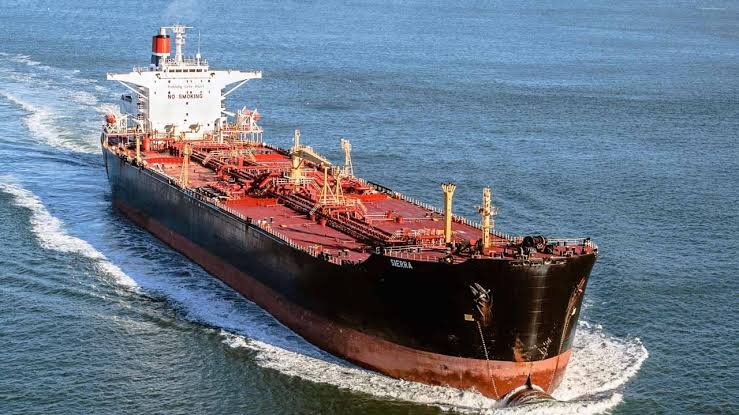
Nigeria’s daily petrol imports fell by 30.1 per cent to 10.2 million litres in September 2026, even as consumption rose to 44.4 million litres per day.
This is according to the latest factsheet released by the Nigerian Midstream and Downstream Petroleum Regulatory Authority.
The regulator said combined daily receipts dropped to 38.7 million litres, leaving a shortfall of 5.7 million litres against reported consumption.
Domestic petrol receipts declined by 20.6 per cent, from 35.9 million litres per day in August to 28.5 million litres in September, while imports dropped from 14.6 million litres to 10.2 million litres daily. The reductions coincided with a 7 per cent rise in consumption from 41.5 million litres per day in August.
Total receipts covered about 87.2 per cent of reported consumption in September.
Petrol stock cover improved from 22.9 days to 23.9 days over the same period but stayed below the regulator’s 30-day benchmark.
The figures indicate that lower imports were accompanied by weaker domestic supply, which limited the volume of petrol available to meet rising demand.
Daily petrol imports varied considerably between January and September, falling from 24.8 million litres in January to 3.0 million litres in February. Receipts recovered to 5.9 million litres in March, slipped to 3.7 million litres in April and rose again to 5.9 million litres in May.
Imports then climbed to 18.1 million litres per day in June and peaked at 19.7 million litres in July, before declining over the following two months. September’s import volume was 48.2 per cent below July’s peak.
Domestic supplies followed a different pattern, rising from 40.1 million litres per day in January to a high of 41.5 million litres in May. Receipts then fell to 32.5 million litres in June and 25.8 million litres in July, before recovering in August and declining again in September.
Nigeria’s petrol import bill rose by 989.4 per cent quarter-on-quarter to ₦952.15 billion in the second quarter of 2026, from ₦87.40 billion in the first quarter.
During the second quarter, the country’s oil refining sector recorded year-on-year growth of 43.94 per cent, according to an earlier Nairametrics report.
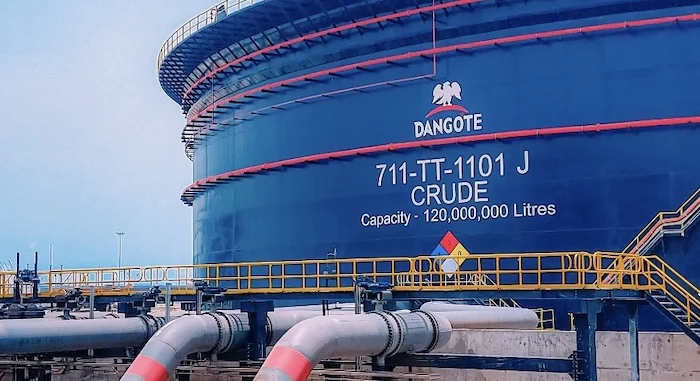
The Dangote refinery’s crude oil distillation capacity increased from 650,000 barrels per day to 700,000 barrels per day following maintenance and expansion work completed in February 2026.
Despite this expansion, September’s figures show that reported domestic receipts were not enough to cover petrol consumption. Cutting import dependence will require domestic refineries to deliver consistent volumes while ensuring adequate supply to meet demand.
Nigeria’s petrol import bill fell to $10 billion in 2025, down from $14.06 billion in 2024.
In 2024, import costs spiked by 105.3 per cent to ₦15.42 trillion, the highest on record, largely driven by a 40.9 per cent depreciation of the naira, which sharply inflated local-currency import costs.