





Nigeria has broken a 10-year drought in oil sector investments, thanks to reforms introduced under President Bola Tinubu’s administration.
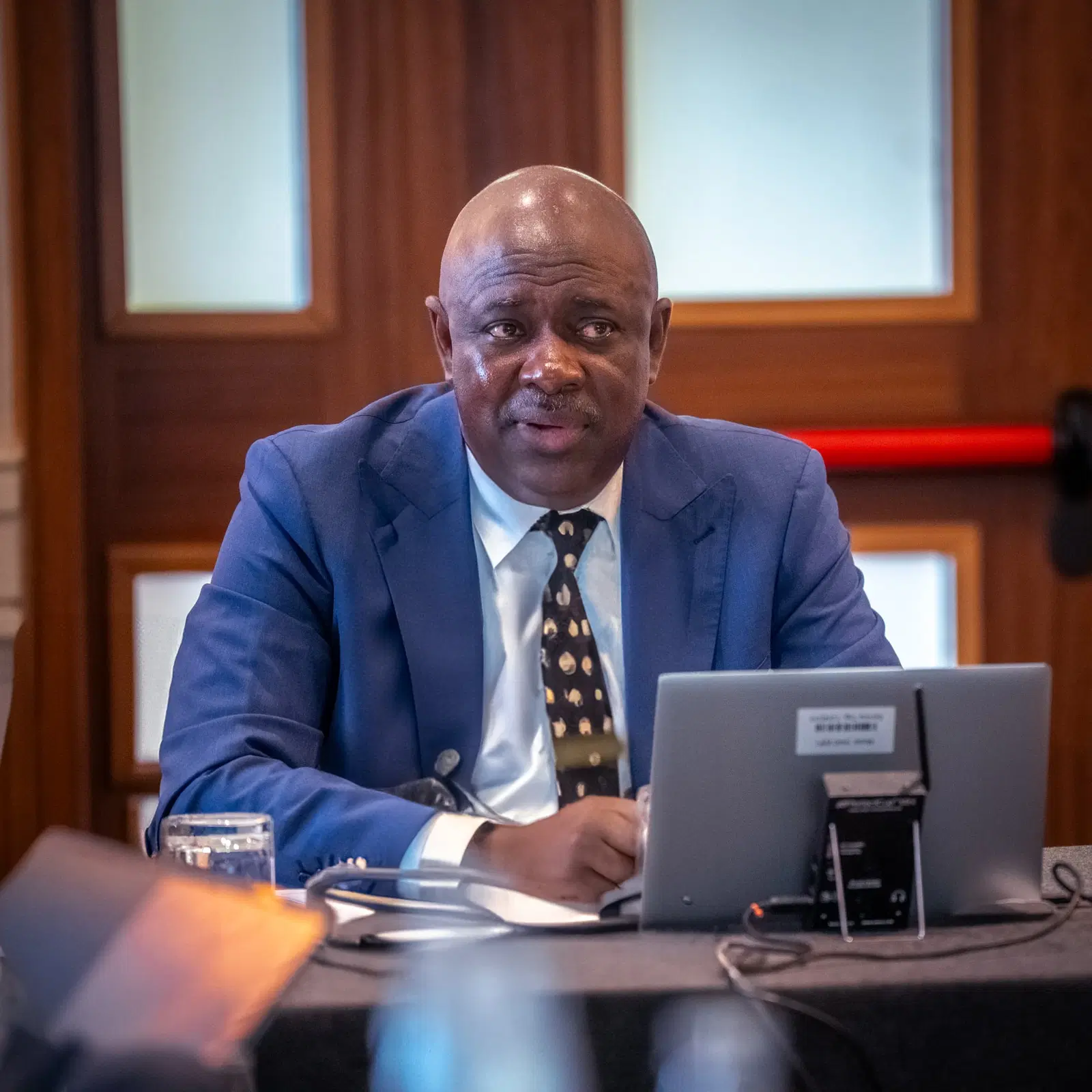
Minister of State for Petroleum Resources (Oil), Senator Heineken Lokpobiri, made this announcement in a statement issued by his Special Adviser on Media and Communication, Nneamaka Okafor.
Lokpobiri highlighted that recent policy changes have repositioned Nigeria as an attractive destination for global energy investments.
According to him, “At the heart of Nigeria’s renewed energy agenda is a clear and deliberate policy direction: to open our oil sector to deeper, smarter, and more strategic partnerships. The time to invest is not just now—it is ripe.”
The minister explained that prior to President Tinubu’s leadership, Nigeria did not record any new investments in its oil sector for over ten years. However, this trend has reversed, with fresh commitments now running into billions of dollars.
“All inactive blocks during the period of no investments are now in the basket and up for grabs,” Lokpobiri said, adding that “We have a longstanding relationship with the United States and US companies, but beyond these, there are new opportunities for investors in both upstream and other oil industry segments.”
Lokpobiri attributed Nigeria’s transformation to the successful implementation of the Petroleum Industry Act, describing it as a “robust, investor-friendly legal framework.”
The PIA has created an environment where investors can operate with clarity, confidence, and security, providing a stable platform for driving growth, encouraging partnerships, and restoring long-term investor trust.
“The PIA has helped us to create an environment where investors can operate with clarity, confidence, and security,” Lokpobiri said.
The minister reassured the international community of Nigeria’s commitment to a balanced energy transition, stating that “We are fully aligned with the Paris Agreement and remain committed to cleaner, more sustainable exploration. Our doors are open, our laws are clear, and our environment is conducive. Now is the time for US and global investors to become part of Nigeria’s energy success story.”
Recent government actions, including the removal of fuel subsidies and deregulation of the downstream sector, have restored confidence among international partners and are expected to drive Nigeria closer to its investment targets of $30 billion by 2027 and $60 billion by 2030.
Lokpobiri emphasized that Nigeria’s reforms are enhancing domestic production and positioning the country as a dependable energy hub across West Africa and the continent.
“Thanks to bold reforms and globally competitive fiscals, Nigeria has significantly ramped up production and repositioned itself as a dependable energy hub,” he declared, urging global investors to seize emerging opportunities in Nigeria’s rapidly transforming oil and gas industry.

