




Nigeria’s non-oil export sector ended 2025 with its best performance since the creation of the Nigerian Export Promotion Council.
Fresh data released in Abuja on January 19 during a press briefing on the 2025 non-oil export performance revealed that both earnings and volumes exceeded 2024 figures, confirming the country’s ongoing move towards a diversified and globally competitive economy.
Presenting the results, the Executive Director/CEO of NEPC, Mrs. Nonye Ayeni, described 2025 as “an impressive year” in which Nigeria “took giant strides in our efforts to diversify the economy and grow the non-oil export sector.”
The sector generated US$6.1 billion in earnings in 2025, representing an 11.5% rise from the US$5.46 billion recorded in 2024. This figure is the highest officially recorded non-oil export value in Nigeria’s history.
In terms of volume, exports reached 8.02 million metric tonnes, a 10% increase from 7.29 million metric tonnes in 2024.
Ayeni stated that this achievement “underscores the growing resilience and relevance of the non-oil export sector to Nigeria’s economy,” adding that the Council is collaborating with the National Bureau of Statistics, Central Bank of Nigeria, and other partners to capture informal exports that currently go unrecorded.
Nigeria exported non-oil products to 120 countries in 2025. The top 10 destinations by value were Netherlands (17.53%), Brazil (10.35%), India (7.63%), Belgium (7.62%), United States (5.66%), Vietnam (5.60%), Germany (5.58%), China (5.56%), Switzerland (3.75%), and Japan (3.43%). Exports to the Netherlands alone rose by 32.46%, mainly driven by cocoa beans, cocoa butter, sesame seeds, and other high-value commodities.
Within Africa, Nigeria exported to 36 countries, including 11 ECOWAS members, with total receipts of US$478.2 million. Although ECOWAS receipts fell by 13.08% following the withdrawal of Burkina Faso, Mali, and Niger from the bloc, Ghana and Côte d’Ivoire still placed 13th and 20th respectively in the global ranking.
Commenting on the trend, Ayeni said these patterns “show that all stakeholders are taking advantage of the potentials and opportunities inherent in the sector,” while stressing that the African Continental Free Trade Area remains central to Nigeria’s long-term export strategy.
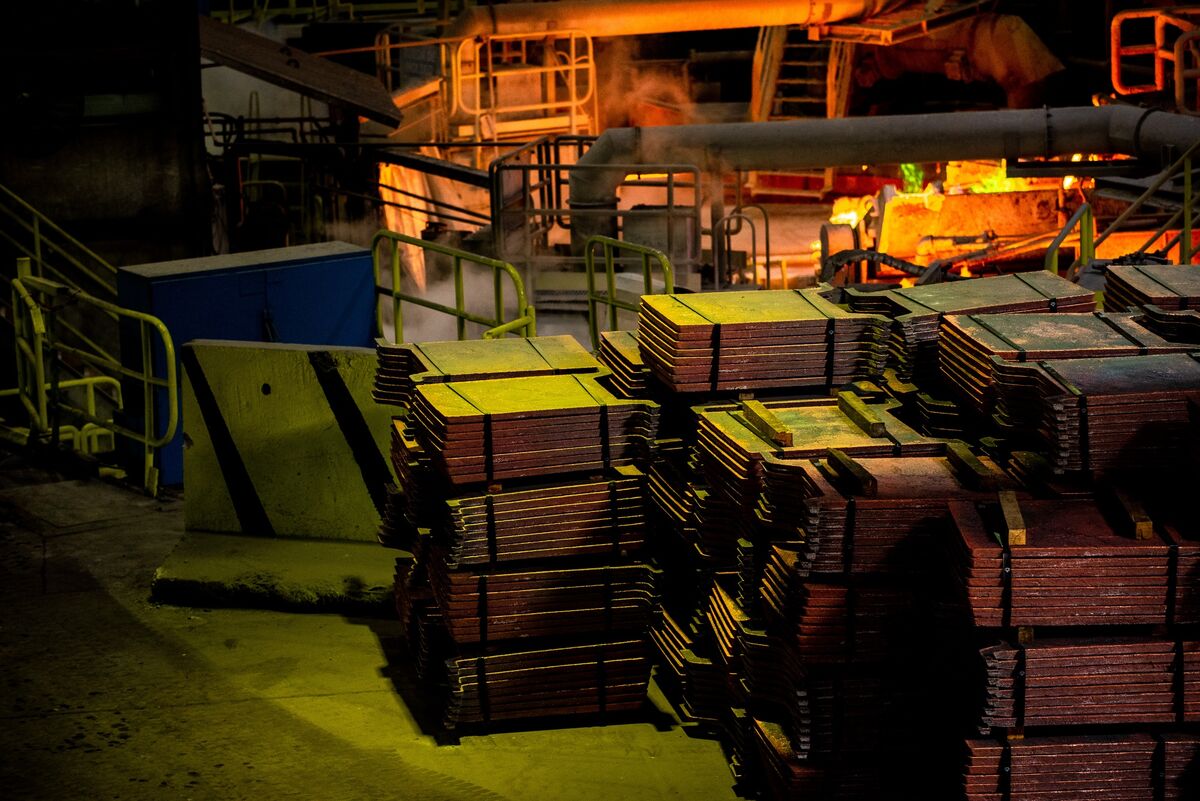
Nigeria exported 281 different non-oil products in 2025. The leading products by value were Cocoa Beans (US$1.99 billion), Urea (US$1.29 billion), Cashew Nuts (US$456.9 million), Sesame Seeds (US$300.3 million), Gold Dore (US$228.8 million), Cocoa Butter (US$209 million), Aluminium Ingots (US$182.7 million), Cigarettes (US$98.2 million), Copper Ingots (US$96.8 million), and Rubber (US$83.6 million).
Cocoa and its derivatives commanded a significant share of total earnings, highlighting progress in industrialisation and value-added processing. Ayeni observed that Nigerian exporters, particularly SMEs, are increasingly processing goods before export rather than selling raw commodities, allowing them to command premium prices and improve global competitiveness.
The top three exporting companies were Indorama Eleme Fertilizer & Chemical Ltd (13.13%), Dangote Fertilizer Ltd (8.41%), and Starlink Global & Ideal Ltd (8.06%), with their strong performance driven by fertilizer and cocoa-related exports.
Ayeni attributed the record results to government policy, private sector resilience, and NEPC programmes, stating that “our various initiatives and programmes… equipping exporters with the tools and skills required to play competitively in the global market are indeed major factors for this performance.”
Key initiatives included the “Double Your Export” agenda, stronger collaboration with ministries, departments, agencies, and development partners, extensive capacity building from farm to market, and efforts to formalise informal exports through NBS and CBN partnerships. Market expansion missions to Europe, Asia, and Africa also created new trade opportunities.
Other contributing factors included alignment with President Bola Ahmed Tinubu’s Renewed Hope Agenda, full support from the Minister of Industry, Trade and Investment, Dr. Jumoke Oduwole, better inter-agency coordination, increased private investment in processing, rising global demand for fertilizer, cocoa, and cashew, improved export financing and documentation, and stronger compliance through Pre-Shipment Inspection Agencies.
Ayeni directly commended exporters, saying: “I recognize the doggedness and determination of our exporters who despite the different headwinds and challenges were able to contribute significantly to the growth of non-oil export in Nigeria.”
Thirty banks processed 19,975 Nigeria Export Proceeds forms in 2025, led by Zenith Bank (32.31%), GTBank (12.37%), and First Bank (11.52%). Seaports handled 94% of non-oil exports through 20 exit points across the country.
NEPC conducted 728 capacity-building programmes for 96,221 participants, covering good agricultural practices, documentation, digital trade, product development, and market access.
In standardisation, 210 SMEs obtained international certifications such as FDA, ISO22000, Halal, and HACCP, bringing the cumulative total to nearly 700, with 567 more in progress.
Value-addition efforts included the establishment of Nigeria’s first Export Production Cluster in Kebbi State, where 250 farmers cultivated 500 hectares of sesame. Other programmes featured the Export Skill Acquisition Centre, distribution of 4,600 hybrid seedlings, and onboarding of 70 SMEs onto Jumia.
Progress was also recorded in reducing export rejects through the STDF 845 project, which enhanced pest management and compliance in key value chains.
Through NEPC Connect, seven webinars reached over 30,000 participants. International partnerships included the ITC UK Trade Mission and CBI Netherlands collaboration, which secured deals at the In Cosmetics Trade Fair and linked 85 Nigerian SMEs with Dutch buyers.
At the Intra-African Trade Fair (IATF 2025) in Algiers, the Nigerian Pavilion won Best Pavilion for Transacting Business, with SMEs securing prospective orders worth US$110 million. Nigeria also won hosting rights for IATF 2027 and received recognition at the China International Import Expo in Shanghai.
Looking ahead, Ayeni forecast a robust 2026 focused on deeper capacity building, fewer export rejects, more clusters, formalising informal trade, wider SME involvement, greater value addition, better solid minerals governance, market diversification, improved data accuracy, and implementation of the Nigeria-UAE Comprehensive Economic Partnership Agreement (CEPA), which removes tariffs on 7,315 Nigerian products entering the UAE.
Her words, “2026 promises to be a great year for non-oil export. At NEPC, we remain resolute and committed to driving up the volume and value of non-oil exports and expanding market access for sustainable and inclusive growth.”