



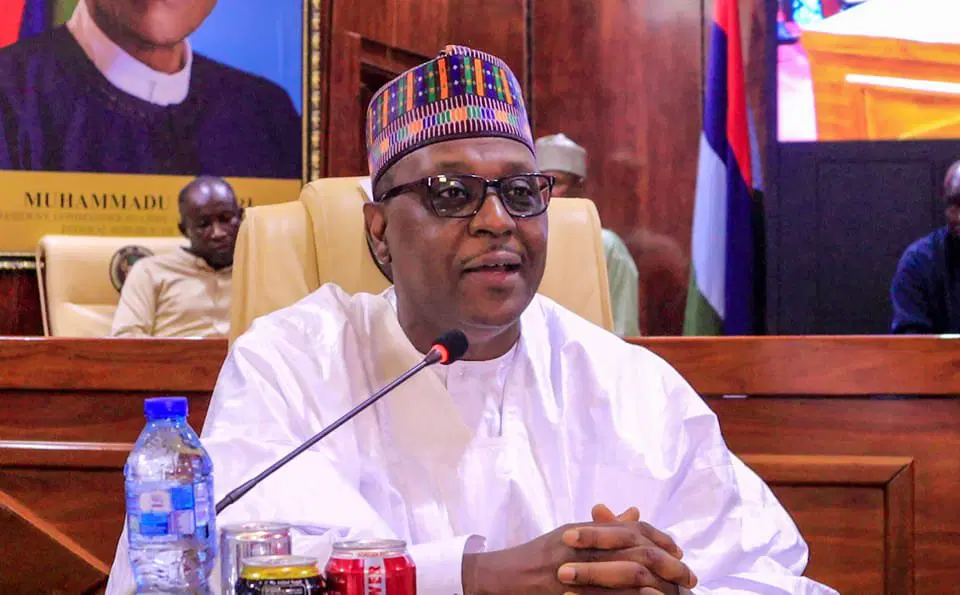
The Minister of Health and Social Welfare, Prof. Muhammad Pate, has emphasized that the future of Nigeria’s healthcare system depends on specialists in the sector.
He made this remark at the 43rd Convocation Ceremony of the National Postgraduate Medical College of Nigeria in Lagos, where 480 distinguished fellows were celebrated.
Pate, represented by Dr. Jimoh Salaudeen, described the event as a celebration of academic excellence and a reaffirmation of NPMCN’s crucial role in national healthcare delivery.
The convocation, themed “A Pandemic, Examination and a Degree,” highlighted the importance of postgraduate medical education in strengthening Nigeria’s healthcare system. Pate said the graduates formed the backbone of specialist healthcare services across Nigeria’s geopolitical zones.
“The Ministry, under the Renewed Hope Agenda, will strengthen collaboration with NPMCN to ensure a resilient, responsive and people-centred health system,” he stated.
Pate urged the graduates to let their expertise and compassion serve humanity within and beyond Nigeria’s shores. He praised NPMCN for over four decades of consistency in pursuing excellence, calling it the flagship of postgraduate medical education in Nigeria.
“The college has set standards, accredited training institutions, and produced generations of medical specialists who continue shaping healthcare delivery nationwide,” he added.
The minister outlined the four-point agenda of the President’s Renewed Hope plan, stressing the need to strengthen human resources in healthcare alongside infrastructure, service delivery, research, and funding. “Without a strong and well-trained workforce, no health system can thrive. That makes NPMCN indispensable,” he emphasized.
Pate pledged continuous engagement with the college, acknowledging its challenges, and announced that the government was considering special funding to fast-track specialist training and reduce brain drain. Other measures include access to technology funds, support for endowment fundraising, simulation equipment, capacity building, expanded residency training, and nationwide spread of college activities.
College President Dr. Peter Ebeigbe confirmed that 480 individuals were receiving awards in various categories, including specialty and subspecialty fellowships, Doctor of Medicine, Postgraduate Diplomas, and Diplomas in Family Medicine. He noted that the college had conferred Distinguished Fellowships on 63 fellows, Fellowships on 9,151, and Honorary Fellowships on 35 individuals.