
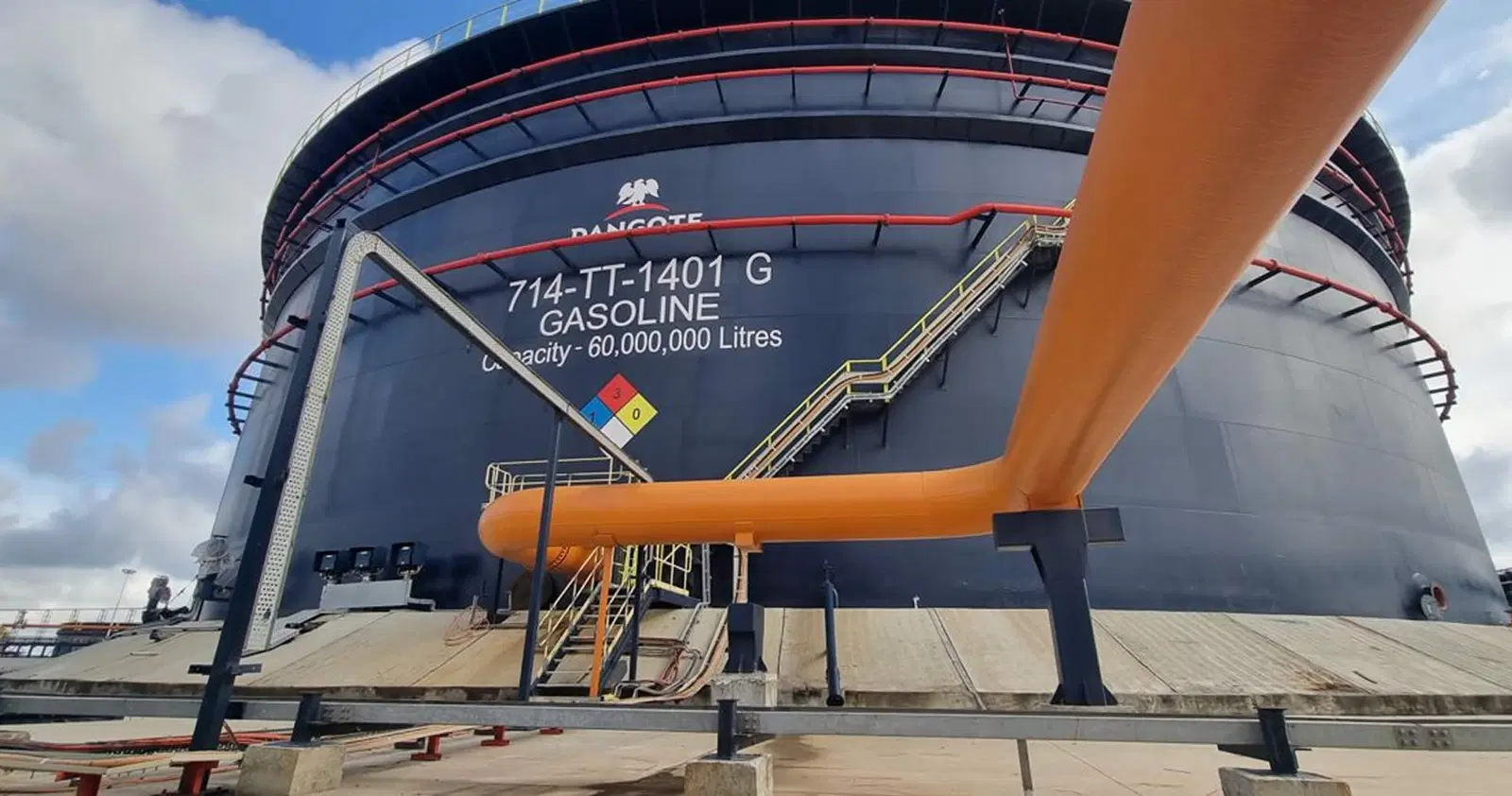




The coordinating director of the Decade of Gas Secretariat, Ed Ubong, has disclosed that Nigeria’s gas production increased from about 6.8 billion cubic feet per day in 2023 to 7.5 billion cubic feet per day in 2025.
According to a statement on Monday, Ubong made the disclosure while speaking at the Decade of Gas and World Bank Ministerial Roundtable and Workshop in Abuja. He attributed the growth to strong collaboration between government agencies, regulators, investors, and industry stakeholders.
Ubong added that Nigeria has renewed its commitment to substantially increasing gas production and strengthening regional energy partnerships, aiming to supply up to 12 bcf of gas per day to the market by 2030. He also underscored the importance of collaboration among African nations, development partners, and private investors in unlocking the continent’s gas potential.
Ubong said the federal government declared 2021 to 2030 as the “decade of gas,” marking a strategic shift toward gas as a central pillar of the country’s energy mix. He noted that President Bola Tinubu has consistently promoted gas as a key engine of economic growth, aligned with the vision of “gas for Nigeria’s prosperity”.
The coordinating director said the minister of state for petroleum resources (gas) remains actively engaged with stakeholders to reinforce the value chain. He added that a dedicated secretariat was fully set up in 2023 to oversee and coordinate implementation. Ubong added that the secretariat focused on unlocking gas reserves, boosting demand through credible off-takers, expanding infrastructure, ensuring competitive pricing, and building sector capacity.
Ubong highlighted gas-to-power and increased liquefied petroleum gas (LPG) use as key priorities. He said gas-to-power aims to boost electricity supply, while LPG adoption is intended to replace firewood and charcoal, improving health and environmental outcomes. Ubong added that several upstream operators have taken final investment decisions (FIDs) on major gas projects, with additional investments expected, signalling sustained momentum in the sector.
To enhance coordination, Ubong said over 215 gas demand projects are currently tracked in the Nigerian Midstream and Downstream Petroleum Regulatory Authority (NMDPRA) centralised database, enabling more efficient planning and execution. The coordinator said accountability mechanisms have also been strengthened, with stakeholders monitored on project delivery and progress.
“We continue to ask a critical questions across the ecosystem—what support is required to move projects forward and unlock value for Nigeria?” he said.
Ubong further explained that a structured governance framework has been adopted, bringing together government, regulators, and industry leaders, supported by technical teams to drive implementation. On infrastructure, Ubong said 16 key pipeline projects requiring about $22 billion have been identified, stressing the need for public-private partnerships.
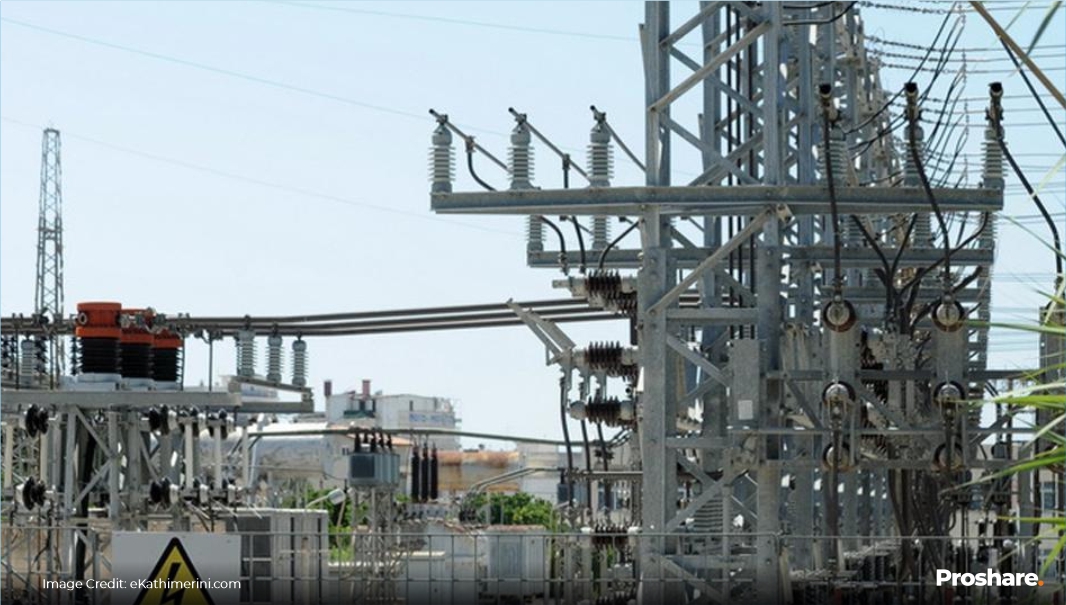
He also reiterated Nigeria’s commitment to environmental sustainability, noting that efforts are underway to curb gas flaring as production increases, in line with global standards. The power sector, he said, remains central to the gas agenda, requiring close coordination among key ministries, including power and finance, as well as industry operators to ensure reliable electricity supply.
On domestic consumption, Ubong said Nigeria plans to increase LPG usage from 1.8 million tonnes per annum to 3 million tonnes by 2030. As part of this strategy, he said over five million gas cylinders are expected to be distributed nationwide to encourage the transition to cleaner cooking energy. Ubong said while significant progress has been made over the past three years, sustained collaboration remains essential to achieving Nigeria’s gas and energy security goals.

