




Nigeria’s tourism sector in 2025 showed a clear recovery marked by renewed travel confidence, expanding domestic tourism, and growing international interest in the country’s culture, nature, and heritage.
Across major cities, conservation centres, and historic landmarks, visitor movement reflected strong interest in destinations that offered accessibility, rich experiences, and compelling storytelling.
An assessment of visitor flow, organised tour activity, and travel itineraries by Fishe identified the five most toured destinations in Nigeria during the year.
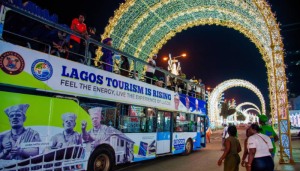
Lagos emerged as the most visited destination in Nigeria in 2025, maintaining its position as the country’s primary entry point for travellers.
The city recorded the highest volume of domestic and international visits, driven by its combination of cultural experiences, historical relevance, leisure opportunities, and business travel.
Tourism activity in Lagos was spread across multiple attractions rather than centred on a single location.
Lekki Conservation Centre
The Lekki Conservation Centre remained one of the city’s most visited natural attractions, with its canopy walkway recording steady foot traffic throughout the year.
Cultural tourism also maintained strong momentum as visitors participated in Makoko floating community tours, which offered insights into daily life, heritage, and water-based settlements.
Badagry continued to attract heritage travellers following the slave trade route and visiting museums connected to Nigeria’s transatlantic history.
Beach tourism contributed significantly, with Tarkwa Bay and Elegushi Beach appearing regularly in travel itineraries.
Food festivals, fashion shows, music concerts, and social gatherings further strengthened Lagos’ tourism profile in 2025.
For many visitors, Lagos also served as a gateway city before travelling to other destinations across the country.
Obudu Mountain Resort
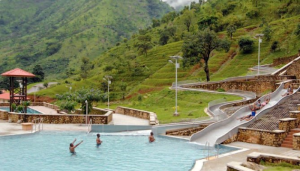
Obudu Mountain Resort in Cross River State remained one of Nigeria’s most toured natural attractions in 2025.
Often described as the “African Alps”, the resort continued to attract families, couples, and organised tour groups seeking scenic and landscape-focused travel experiences.
The cable car remained central to visitor movement, providing access to the plateau and panoramic views of the surrounding terrain.
Nature trails, water points, and walking routes within the resort recorded consistent visitor use throughout the year.
One of Obudu’s strongest attractions in 2025 was its climate, which offered a cooler alternative to many parts of Nigeria.
This climatic advantage influenced travel decisions, particularly during peak holiday seasons.
The resort’s combination of accommodation, transport access, and outdoor activities ensured its continued presence on domestic and international tour schedules.
Yankari Game Reserve
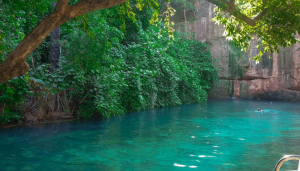
Yankari Game Reserve in Bauchi State retained its position as Nigeria’s most toured wildlife destination in 2025.
The reserve continued to feature prominently on organised safari routes due to its diverse animal population and natural attractions.
Safari drives remained a major draw, with visitors seeking sightings of elephants, lions, antelopes, and a wide variety of bird species.
Guided tours played a key role in supporting both educational and conservation-focused travel experiences.
Wikki Warm Springs
The Wikki Warm Springs remained a major attraction, offering visitors relaxation and leisure after safari activities.
Swimming and recreational visits around the springs continued to feature regularly in tour schedules.
Yankari’s combination of wildlife, water features, and structured guided experiences sustained its relevance within Nigeria’s tourism landscape in 2025.
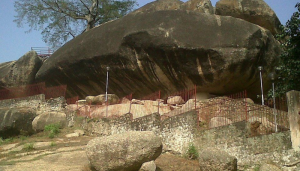
Olumo Rock
Olumo Rock in Ogun State continued to attract high visitor numbers during the year, reinforcing its status as one of Nigeria’s most toured cultural landmarks.
Visitors either climbed the rock or used the elevator system to access viewing points overlooking the city of Abeokuta.
Many of these visits included guided tours explaining the rock’s historical role in resistance movements and community protection.
The surrounding environment supported tourism through local markets, crafts, and cultural displays.
Travellers often combined visits to Olumo Rock with broader cultural exploration within Abeokuta.
Its accessibility, strategic location, and historical significance kept Olumo Rock firmly on travel itineraries throughout 2025.
Although no single waterfall destination ranked above the top four locations, waterfall tourism collectively emerged as one of the most toured experiences in Nigeria during the year.
Eco-tourism and adventure travel were major drivers of interest across several states.
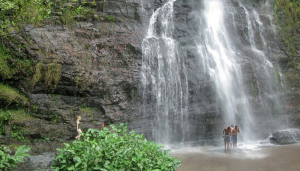
Waterfalls
Erin Ijesha Waterfalls remained one of the most visited sites, with travellers exploring its multi-level cascades and forest environment.
Owu Waterfalls gained increased attention in 2025, appearing more frequently in organised tour plans due to its size and natural setting.
Agbokim Waterfalls in Cross River State also recorded steady visitor traffic, supported by its dense forest surroundings and proximity to other nature attractions.
Together, these waterfall destinations highlighted the growing importance of nature-based travel within Nigeria’s evolving tourism landscape.