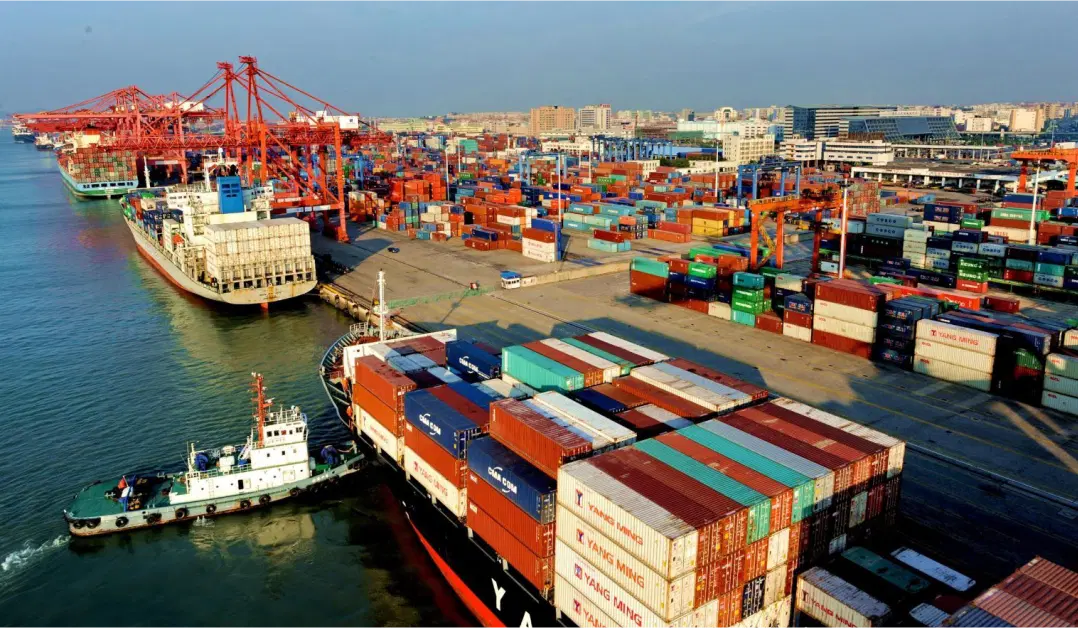


Nigeria recorded a cargo throughput of 32.38 million metric tonnes in the first quarter of 2026, representing an 11.6 per cent increase compared to the same period last year, buoyed by heightened activity across the nation’s ports.
The Nigerian Ports Authority disclosed the figures in a statement released in Lagos and cited by the News Agency of Nigeria.
According to the authority, the growth underscores increased vessel calls, stronger export volumes, and the impact of ongoing reforms targeted at enhancing operational efficiency at Nigeria’s seaports.
The data further indicates a wider uptick in maritime operations, with larger vessels calling at Nigerian ports and stronger container traffic recorded at major terminals such as Lekki Deep Sea Port, Apapa Port, and Onne Port.
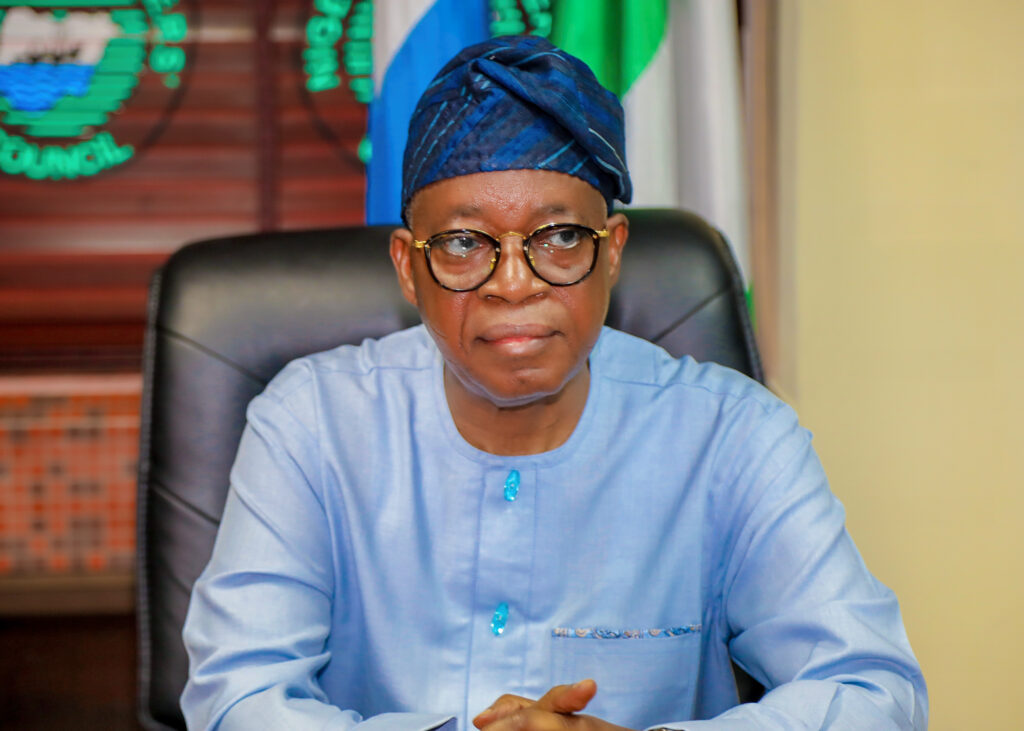
The Managing Director of the Nigerian Ports Authority, Abubakar Dantsoho, said the industry posted significant gains in the first quarter of 2026, driven by higher cargo volumes and an increase in calls by larger vessels.
Cargo throughput increased by 11.6 per cent year-on-year, reaching 32.38 million metric tonnes in Q1 2026.
Ocean-going vessel Gross Registered Tonnage also rose significantly, climbing 19.5 per cent to 46.75 million.
“The Managing Director of the Nigerian Ports Authority, Abubakar Dantsoho, says the maritime sector recorded strong growth in the first quarter of 2026, driven by increased cargo throughput, larger vessel traffic and ongoing port reforms,” the NAN report read in part.
“Dantsoho said total cargo throughput rose by 11.6 per cent year-on-year to 32.38 million metric tonnes during the period.”
Outward cargo volumes rose by 23.7%, reaching 14.13 million tonnes during the period under review. Outward laden containers also recorded a sharp increase of 67.6%, totalling 102,803 TEUs, while vehicle throughput climbed 67% to 58,870 units.
Dantsoho attributed the performance to improved cargo handling efficiency, growing confidence in international shipping, and the deployment of larger vessels, particularly those servicing the Lekki Deep Sea Port.
He also linked the growth to expanding regional trade opportunities under the African Continental Free Trade Area framework.
The latest figures point to growing confidence in Nigeria’s maritime infrastructure and its importance in regional trade flows.
Dantsoho noted that Nigeria currently handles only about 25% of West Africa’s cargo, despite accounting for nearly 60 per cent of the region’s GDP, describing the disparity as evidence of significant untapped potential.
He added that continued improvements in port efficiency could strengthen Nigeria’s position as a major logistics hub in Africa, especially as global shipping trends shift toward deeper seaports and the use of larger vessels.