




Nigeria has been named the most generous country in the world according to the 2026 World Giving Report published by the Charities Aid Foundation, with citizens donating a higher share of their income to good causes than any other nation on earth.
The landmark study, which surveyed 60,000 people across 105 countries, found that Nigerians give an average of 2.8 per cent of their income to charitable causes—nearly three times the global average of 1 per cent and significantly higher than the 0.6 per cent recorded in Europe. A remarkable 89 per cent of Nigerians donated money in the past year, the highest proportion of any country surveyed.
The report confirms Africa’s position as the world’s most generous continent, with eight of the top ten most generous countries located on the continent. Ghana ranked second globally with citizens giving 2.4 per cent of their income, while Egypt placed third at 2.3 per cent. Across the continent, Africans donated an average of 1.6 per cent of their income—again outpacing all other regions.
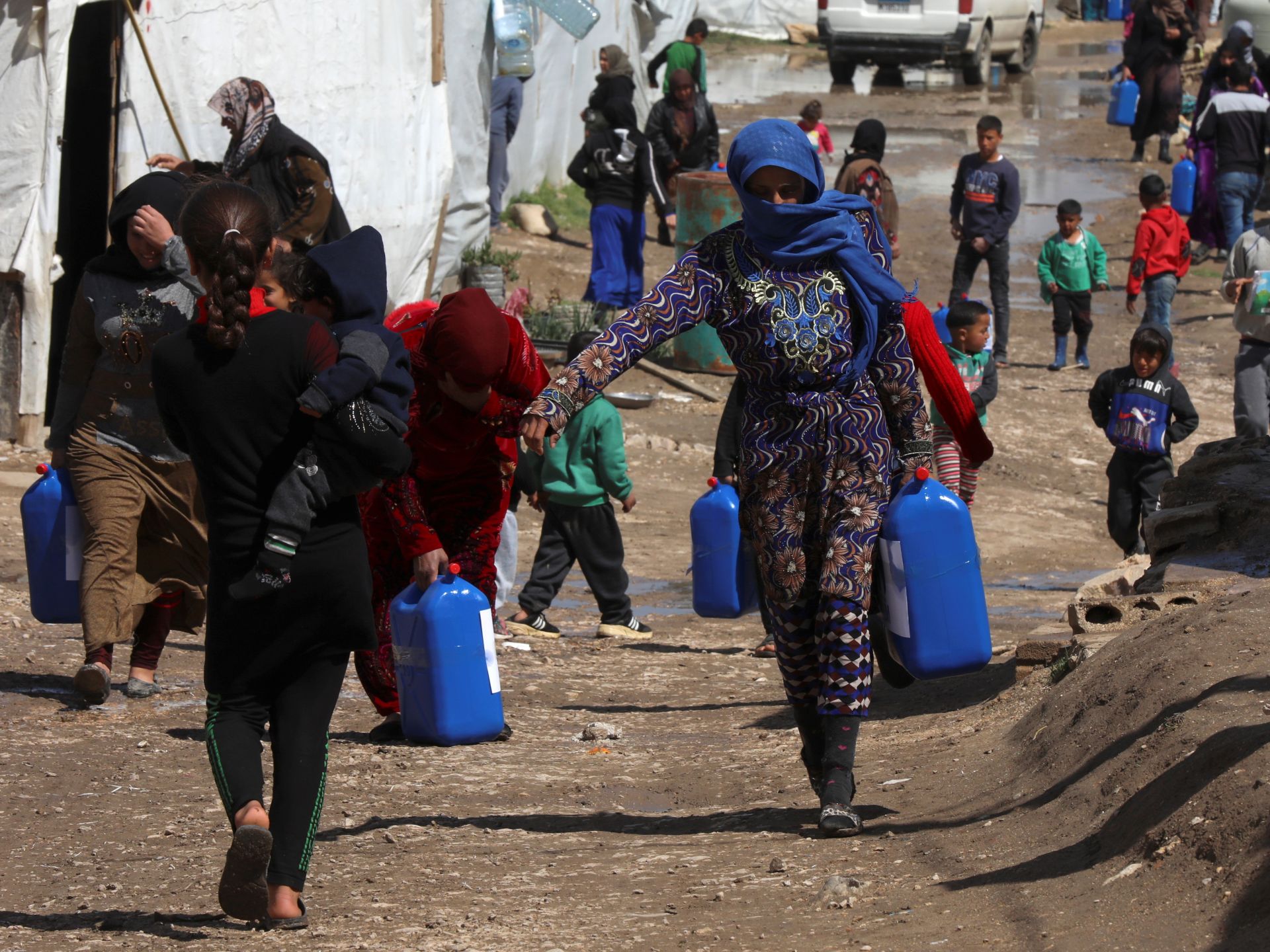
What makes the findings particularly striking is that this culture of generosity persists despite the severe economic pressures facing ordinary Nigerians. Food prices remain at their highest level in more than two decades, inflation continues to erode purchasing power, and transport costs have soared—yet Nigerians continue to dig deep to support those around them.
“This is despite everyday life becoming increasingly expensive for many Nigerians,” the BBC News Africa report noted, highlighting the contrast between economic hardship and communal solidarity.
The CAF research measured donations to charities, religious organisations, and people in need, though it notably excluded money given to family and friends—a significant caveat given the strength of kinship networks in Nigerian society. Religious causes proved the most popular destination for donations globally, supported by 31 per cent of donors, followed by children and young people and poverty relief at 29 per cent each.
Analysts say the findings reflect deeply rooted social norms rather than individual acts of exceptional kindness. “Nigeria’s consistent ranking among the world’s most generous countries reflects a society where giving is not an exception but a communal norm. It is woven into the social fabric of daily life,” said Mosun Layode, Executive Director of the African Philanthropy Forum and a CAF partner.
Professor Ebenezer Obadare, Senior Fellow for Africa Studies at the Council on Foreign Relations, offered a broader political interpretation: “The study recognises a collective determination to keep community and social solidarity alive against the backdrop of the retreat of the state.”
Indeed, the data suggests that where formal social safety nets are weak, informal networks of mutual support become essential. Nigeria’s giving is almost evenly split across direct assistance to individuals (34 per cent), charitable giving (32 per cent), and religious giving (33 per cent)—indicating that generosity flows through multiple channels, from mosque and church offerings to neighbour-to-neighbour support.
The report also revealed a fascinating humility gap: while Nigerians objectively lead the world in giving, they rank themselves only 22nd out of 101 countries when asked how generous they believe their nation to be. Experts suggest this underscores how embedded giving has become in everyday Nigerian life—so routine that many citizens scarcely recognise it as remarkable.
Demographically, the most generous age group globally is 25- to 44-year-olds, who donate twice as much of their income on average as those aged over 55. The research further found that countries where more than 80 per cent of the population feels a strong sense of belonging to their local community give nearly three times more than countries where community ties are weak.
Mark Greer, Managing Director at CAF, said the research demonstrates that giving is “deeply personal based on different factors including values, circumstances and experiences.” He added: “By understanding these influences and how they appear around the world, we can learn what drives vibrant cultures of giving to support the resilience of civil society.”