


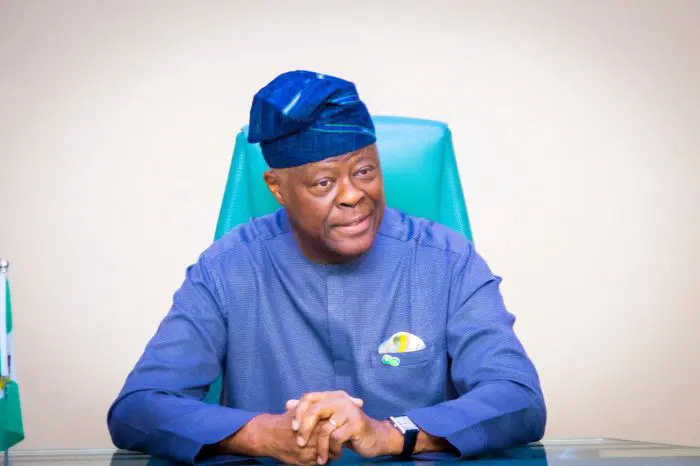

The Minister of Finance and Coordinating Minister of the Economy, Wale Edun, said on Monday that Nigeria must align with global trends in development financing by leveraging climate-related initiatives that attract international funding.
He noted that the federal government is in active discussions with the World Bank, IMF, AfDB, and G20, and will present a strong case for increased support at COP30 in Brazil.
Edun added that the government is helping ministries and state agencies develop investment-ready proposals, stressing that a major reason many available funds remain unused is poor project readiness.
Speaking at a panel session on “Unlocking Climate Finance for Sustainable Growth” during the opening of the 31st Nigerian Economic Summit (NES#31) in Abuja, themed “Building a Prosperous and Inclusive Nigeria by 2030,” Edun highlighted the government’s focus on leveraging climate finance for sustainable development.
World Bank Country Director, Mathew Verghis, stressed the need for Nigeria to curb inflation to sustain the positive impact of its ongoing economic reforms.
Edun also underscored the importance of transparency, noting that the federal government is strengthening frameworks to monitor climate finance inflows and assess their outcomes.
Edun emphasized that transparency was crucial, revealing that the federal government is strengthening frameworks to track climate finance inflows and measure their impact.
He also unveiled the “Guide to Accessing Climate Finance,” a publication designed to help stakeholders understand and navigate the processes for securing climate-related funding.
Edun noted that the pledged $100 billion in annual climate financing for developing countries has consistently fallen short, despite global climate spending reaching $2 trillion in 2024.
Edun observed that the $100 billion annual climate finance pledge to developing nations has repeatedly fallen short, despite global climate spending totaling $2 trillion in 2024.
He said, “That’s where the money is and that’s where we, too, must focus our efforts.
Recognising this, at COP28, we saw the trends clearly and immediately established a Green Growth Office and Facility in the Ministry of Finance. This was to align Nigeria with the global direction in financing for development toward growth-oriented, job-creating projects that the world is willing to fund. It serves no purpose to be on a different page from the rest of the world.”