





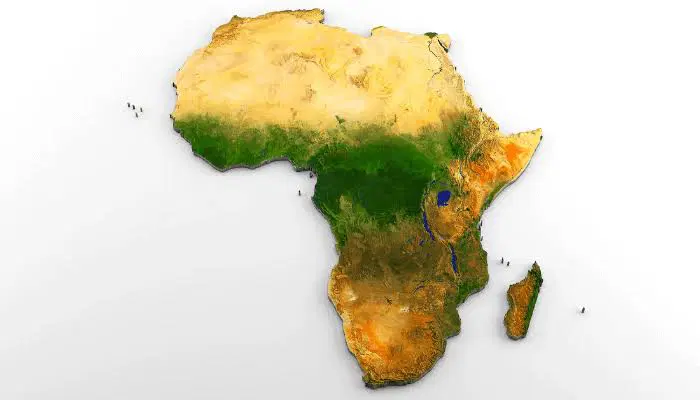
In the 2026 Numbeo Quality of Life Index, Namibia has emerged as the top-ranked African country for overall livability, while Nigeria is notably absent from the list of the continent’s best performers.
As Africa continues to evolve, quality of life assessments now go far beyond income, incorporating critical factors such as safety, healthcare, climate comfort, cost of living, traffic efficiency, pollution levels, and everyday convenience.
Professionals, remote workers, and families are increasingly weighing both tangible elements like housing affordability and services, alongside intangible aspects such as social stability and personal well-being when choosing where to live, work, or invest across the continent.
Here are 10 African countries with the best quality of life in 2026.
Namibia leads with a Quality of Life Index of 156.98. The country records a Climate Index of 84.97 and a Health Care Index of 65.36. Economic indicators show moderate purchasing power of 77.57 and affordable housing with a Property Price to Income Ratio of 3.34. Commute times are low with a Traffic Commute Time Index of 25.41, while pollution is manageable at a Pollution Index of 40.72. Safety remains a concern with a Safety Index of 36.58. Cost of living is 36.13. Monthly expenses for a family of four total $2,361.40, and a single person may spend $656.20, excluding rent. Living costs are roughly 29.8% higher than in Nigeria, but rent is about 33.6% lower. Namibia has a population of 3.14 million.
Botswana scores 154.97 on the Quality of Life Index. Its Climate Index is 88.87, and healthcare access is 62.70. Affordability is a key factor. Cost of living is 31.23. Monthly expenses are $531 for a single person and $1,934 for a family of four, excluding rent. Rent is about 70% lower than in Nigeria, despite overall living costs being 12.2% higher. Purchasing power is 82.92. Commute times are short at 27.12, while safety and pollution are moderate. Population stands at 2.6 million.
South Africa has a Quality of Life Index of 151.8. The Purchasing Power Index is 114.97, and healthcare is 63.94. Climate conditions are favourable at 95.68. Monthly living costs are $646 for a single person and $2,304 for a family of four, excluding rent. Rent is 40% lower than in Nigeria. Property affordability is high, with a Property Price to Income Ratio of 3.29. Safety remains a challenge at 25.57, while pollution and commute times are moderate.
Rwanda posts a Quality of Life Index of 122.13. Safety is high at 73.99 and healthcare access scores 74.49. Climate is strong at 99.74. Cost of living is very low at 25.06, but purchasing power is weak at 28.63. Housing is expensive relative to income with a Property Price to Income Ratio of 50.18. Commute times are short and pollution is moderate. Population is 14.8 million.
Tunisia’s Quality of Life Index is 117.6. Climate is 94.3, safety is moderate at 55.1, and healthcare is 56.6. Cost of living is 29.1, with monthly expenses of $531 and an average salary of $329. Housing is costly relative to income with a Property Price to Income Ratio of 12.8. Population is 12.4 million.
Mauritius records a Quality of Life Index of 116.63. Climate is favourable at 88.61, and healthcare access is 63.36. Purchasing power is 56.43, and housing is expensive with a Property Price to Income Ratio of 22.93. Safety and pollution are moderate, and traffic pressures are elevated at 46.00. Cost of living is 38.54. Population is 1.27 million.
Morocco has a Quality of Life Index of 114.71. Climate is 90.35, safety is 52.78, and healthcare is 46.83. Cost of living is 30.27. Monthly expenses are $482 for a single person and $1,764 for a family of four, excluding rent. Rent is 63% lower than in Nigeria. Pollution is high at 68.79, and housing affordability is limited with a Property Price to Income Ratio of 13.46.
Kenya scores 99.15 on the Quality of Life Index. Healthcare is 62.23, climate is 87.07, and safety is 44.83. Cost of living is 33.43. Monthly expenses are $497 for a single person and $1,826 for a family of four, excluding rent. Purchasing power is 36.49. Commute times of 51.59, pollution of 69.03, and housing costs with a Property Price to Income Ratio of 17.09 remain challenges. Population is 54 million.
Egypt records a Quality of Life Index of 81.9. Climate is 86.83, safety is 53.68, and healthcare is 47.94. Cost of living is 19.69, making it one of the most affordable countries for residents and remote workers. Lower purchasing power and infrastructure gaps affect urban living. Population is 119.6 million.
Ghana scores 48.29 on the Quality of Life Index. Safety is 55.03, healthcare is 56.98, and climate is 67.03. Cost of living is 33.43. Monthly expenses are $607 for a single person and $2,242 for a family of four, excluding rent. Housing affordability is limited relative to income. Population is 35.7 million.