


The Nigerian Independent System Operator, in partnership with the West African Power Pool Information and Coordination Centre, has successfully synchronised Nigeria’s national electricity grid with the wider West African power network.
The landmark test — conducted between 5:04 a.m. and 9:04 a.m. on Saturday, November 8, 2025 — linked Nigeria, Niger Republic, and parts of Benin and Togo to the regional grid, marking the first successful operation of a unified West African power system running on a single frequency across 15 countries.
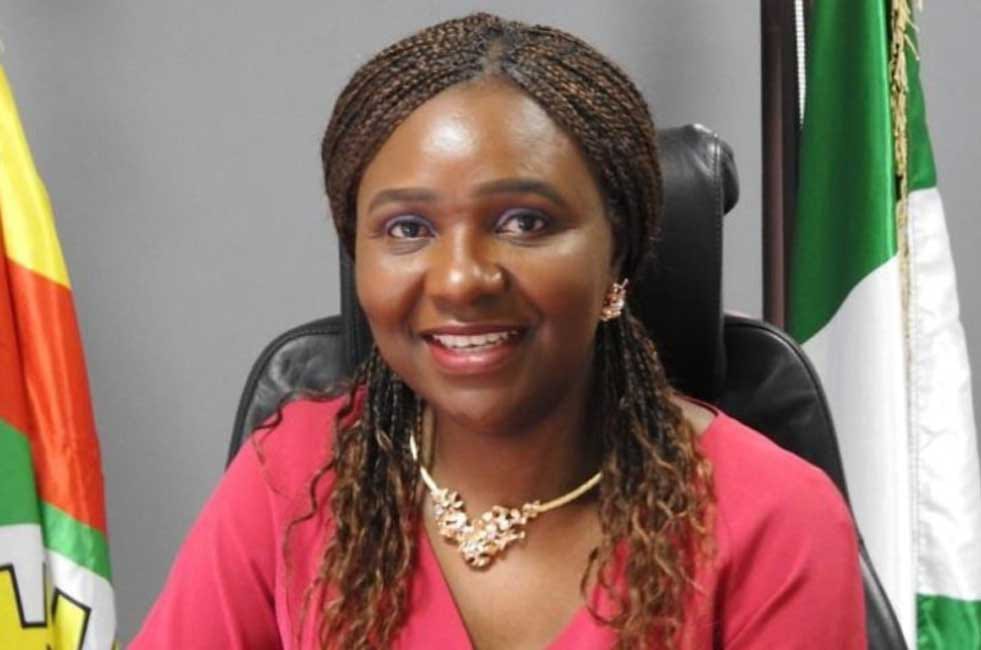
In a joint statement issued on Sunday, NISO Board Chairman, Adesegun Akin-Olugbade, and Managing Director/CEO, Abdu Bello Mohammed, hailed the achievement as a significant step toward building a stable, reliable, and fully interconnected electricity market within the ECOWAS sub-region.
Although efforts to synchronise the sub-regional power grids have spanned nearly two decades, the only previous physical test — conducted in 2007 — lasted just seven minutes before it was halted due to system instability and poor coordination.
According to the joint statement, the latest success was achieved through stronger coordination, real-time communication between control centres, tighter frequency regulation, enhanced system monitoring, and the adoption of harmonised operational standards by the Nigerian Independent System Operator and the WAPP Information and Coordination Centre.
The synchronisation effectively links Area 1, comprising Nigeria, Niger, and parts of Benin and Togo, with Areas 2 and 3, which include the rest of the West African countries, creating a single, unified operational grid.
This development marks a cornerstone in the West African Power Pool’s plan to establish a unified regional electricity market, enabling efficient power trading, lowering supply costs, and enhancing grid reliability through shared reserves.
It also strengthens Nigeria’s position as a key player in West Africa’s energy landscape, paving the way for cross-border electricity trade, foreign exchange generation, and the optimisation of stranded capacity from underutilised power plants.
The synchronisation also enhances grid stability and resilience by enabling Nigeria to supply or draw power from neighbouring systems during emergencies, thereby improving reliability for millions of electricity consumers across the sub-region.
“The successful synchronisation marks a historic milestone in regional energy cooperation and demonstrates NISO’s technical capacity to manage complex grid operations in line with international standards. It demonstrates our technical readiness to manage complex grid operations in line with international standards and affirms Nigeria’s central role in driving regional economic growth through energy cooperation,” the NISO statement concluded.

