



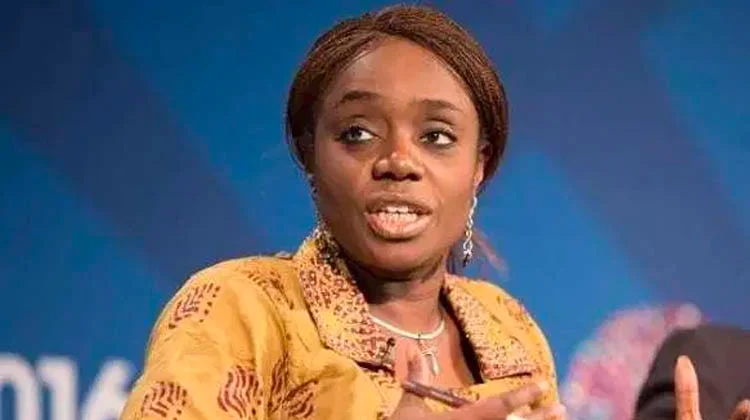

President of the African Development Bank Group, Dr. Akinwumi Adesina, has said that Nigeria and other African nations must end their reliance on imported automobiles.
Speaking during a visit to Saglev, an electric vehicle assembly plant in Imota, Lagos, Adesina emphasized the need for governments to invest in critical infrastructure—particularly power—to support local entrepreneurs and industries.
The visit is part of his broader push to promote sustainable industrial development and climate-resilient transportation systems across the continent.
He said, “We support entrepreneurs and he is a great entrepreneur. We want to ensure we have companies that are also manufacturing automobiles in Africa. We can’t just be importing automobiles. So, manufacturing in Africa is a problem. For us, as African Development Bank, part of our work is industrialization. That is what you see here in Saglev plant.
“African manufacturers like this need power, infrastructure to be able to lower the cost of production. Even related to that, electric vehicles require power to charge. That is why, at the bank, in the last 10 years, we have connected more than 28 million people to electricity. We are investing heavily in energy, even right here in Nigeria.
“Saglev is doing the right thing in Nigeria. Helping him is going to be a good asset. Cost of capital is always a challenge. He has put his equity into this. Cost of capital is five times higher than any other part of the world. We are in a position to help in many ways to risk lending to Nigeria auto manufacturers like this with world class facilities to assemble and manufacture electric vehicles.
“We also have lines of credit we provide for many commercial banks in Nigeria to support companies like this and our role, my role is also to be a champion and make sure wherever I go, I champion a good course”.
The Chairman of Saglev, Dr. Gbenga Faleye, noted that demand for electric vehicles is rising rapidly, with the plant currently struggling to keep up. He added that with adequate capital injection, production capacity could be significantly expanded.
He reaffirmed the company’s commitment to advancing electric mobility in Nigeria and across Africa, while calling for the removal of existing trade and infrastructure barriers.

