





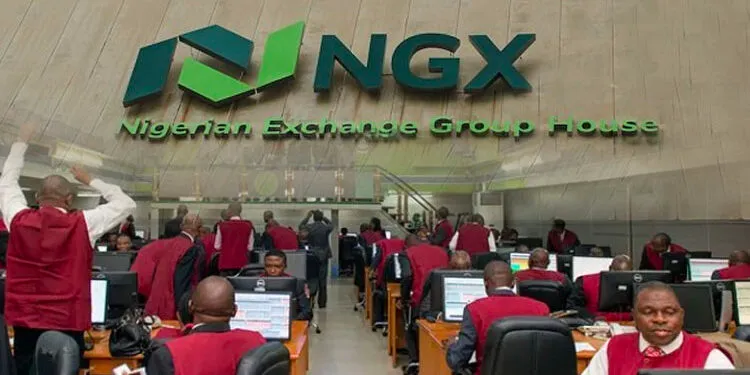
Nigeria’s capital market regulators have initiated a review of free-float rules for listed companies to enhance liquidity, deepen the equity market, and draw more investors.
The Nigerian Exchange Group confirmed on Monday, that it is engaging with the Securities and Exchange Commission to reassess current requirements.
The move addresses concerns that low publicly tradable shares in some firms are constraining market liquidity and heightening price volatility.
Large companies listed on the NGX are currently required to make at least 20 per cent of their shares—or a minimum of N40 billion, available for public trading. Growth Board companies, mostly small and medium-sized enterprises, must float at least 15 per cent of their share capital.
The Exchange said it is working with the SEC to review the free-float rules and introduce measures to improve compliance across listed firms.
“This includes assessing how we optimize existing free-float levels, ensuring the accuracy of free-float data captured by the exchange and evaluating whether current free-float requirements remain appropriate as the market evolves.
“We are considering whether elements of free float should play a greater role in how some of our indexes are structured, given that many indexes are currently based primarily on market capitalization.
“All of these efforts form part of our broader objective of deepening the market and ensuring that its structure continues to support growing investor participation,” said Temi Popoola, Chief Executive Officer of NGX Group.
The NGX boss also suggested that regulators may revise public shareholding rules and explore using shares outstanding, rather than just market capitalization, to determine equity and index weightings.
Free-float rules have gained global attention after index provider MSCI tightened its definition earlier this year, prompting portfolio adjustments by passive investors in several emerging markets.
Regulators say that tightly held controlling stakes often limit market liquidity and raise the risk of sharp price swings.
For example, Dangote Cement Plc has a free float of around 11 per cent, while BUA Cement Plc has less than 3 per cent of its shares publicly tradable.
Despite these low percentages, both companies still meet the current rule of making at least N40 billion worth of shares available to investors.
The review of free-float rules comes after recent regulatory scrutiny, including the suspension of a newly listed company on the NGX Growth Board due to limited stock availability and an unusual surge in its share price.
Nigeria may also take cues from India, which implemented reforms in 2010 to address similar issues with dominant controlling shareholders and low public shareholding.