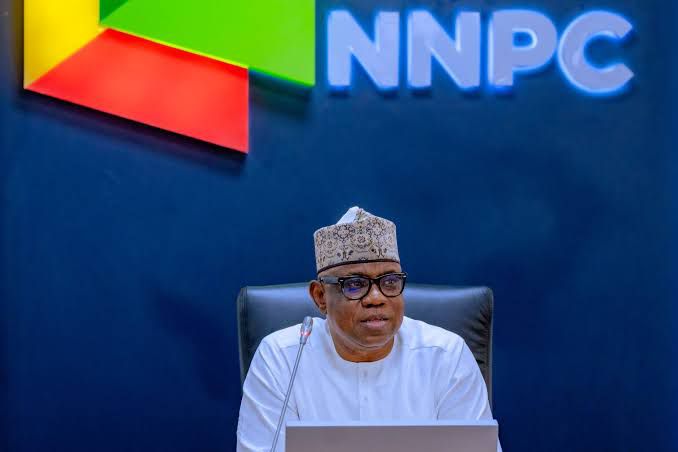




The Executive Secretary of the Nigeria Extractive Industries Transparency Initiative, Orji Ogbonnaya, has warned that Nigeria’s climate commitments will be meaningless if methane pollution from the oil and gas sector is not urgently tackled.
He emphasized that the era of ignoring methane emissions in Nigeria’s extractive industries must end, cautioning that neglecting this powerful greenhouse gas threatens both the nation’s climate goals and its economic future.
Ogbonnaya also revealed that losses from gas flaring could exceed $2.29 billion (₦3.43 trillion) over the next five years if the issue is not addressed with greater urgency.
Methane (CH₄) is a colourless, odourless, and highly flammable greenhouse gas that makes up the primary component of natural gas.
In his speech during a policy dialogue organised by the Natural Resource Governance Institute over the weekend in Abuja, Orji stated that Nigeria cannot claim to be climate-conscious while ignoring the serious environmental and economic risks posed by unchecked methane emissions.
The dialogue, themed “Strengthening Public Accountability and Compliance in Methane Emission Management in Nigeria’s Oil and Gas Sector”, convened key stakeholders from government, civil society, and the private sector.
“Nigeria cannot claim seriousness on climate commitments if we ignore the silent crisis of methane pollution across our extractive industries. Methane action is climate action, economic action, and social justice.
“Methane is 80 times more potent than carbon dioxide over 20 years. Ignoring methane is ignoring the heart of the problem,” Orji said, urging urgent reforms in regulation, transparency, and enforcement across the oil and gas value chain.
Orji stressed that although Nigeria has made both national and international commitments—such as signing the Global Methane Pledge—implementation remains weak, putting the country’s credibility at risk in global climate negotiations.
He further stated that Nigeria must establish a strong and enforceable methane governance framework that aligns with international best practices.
‘Regulatory compliance and accountability on emissions are not optional. They are necessary for public health, investor confidence, and Nigeria’s future in international fossil fuel trade,” he said.
He also disclosed that NEITI had already begun integrating climate reporting into its core operations in line with the 2023 Extractive Industries Transparency Initiative Standard, and would no longer publish any report without emissions data.