






The National Council on Climate Change has urged global partners, especially developed nations, to fulfil their obligations under the UN Framework Convention on Climate Change and the Paris Agreement, with particular focus on technology transfer and support for innovation in developing countries.
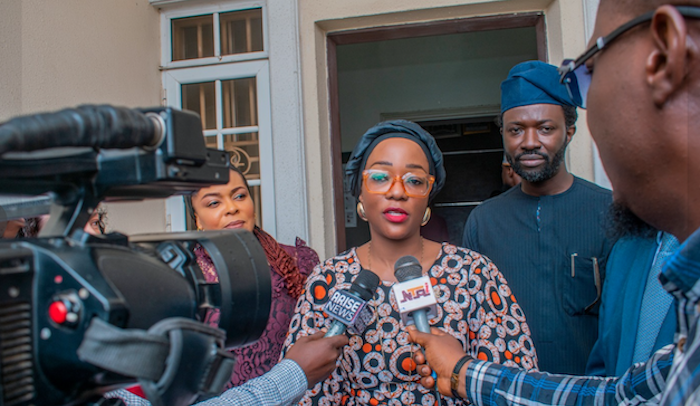
NCCC Director-General, Barr. Teni Majekodunmi, made the call on Wednesday during the Validation Workshop of Nigeria’s Nationally Determined Contribution 3.0 in Abuja.
With the theme “Driving Ambition, Strengthening Action, and Aligning with the Paris Agreement and Global Stocktake,” Majekodunmi emphasized the need to localize innovation by empowering Nigerian entrepreneurs, researchers, and start-ups to create technologies tailored to the nation’s climate realities.
Nigeria’s NDC 3.0 represents the country’s forthcoming climate action plan under the Paris Agreement, designed to cut greenhouse gas emissions and strengthen resilience against the impacts of climate change.
Majekodunmi explained that the new plan advances Nigeria’s earlier commitments while aligning with the Long-Term Low Emission Development Strategy and the Nigeria Energy Transition Plan.
She stated, “Today’s validation workshop is the result of extensive technical work, broad stakeholder engagement, detailed sectoral analyses, and close inter-agency collaboration carried out over several months.
“She said: “This validation workshop is the culmination of months of rigorous technical work, stakeholder consultations, sectoral analyses, and inter-agency collaboration.
“It reflects our inclusive approach, ensuring that every voice is heard and that our national targets are ambitious, realistic, science-based, and people-centred.”
Majekodunmi called for increased domestic financing to complement international support through mechanisms such as the Green Climate Fund, the Adaptation Fund, bilateral and multilateral facilities, public-private partnerships, green bonds, and blended finance initiatives.
She also underscored the importance of investing in human capital, institutional capacity, and climate technologies, highlighting clean energy systems, modernized agriculture, enhanced early warning systems, low-carbon transport, and robust digital infrastructure as priority areas needing urgent attention.
She identified clean energy systems, modernized agriculture, enhanced early warning systems, low-carbon transport, and stronger digital infrastructure as priority areas in need of urgent investment and support.
Majekodunmi also urged participants at the workshop to ensure that the NDC 3.0 document captures Nigeria’s aspirations, capabilities, and leadership role both within Africa and on the global stage.
In her remarks, UNDP Nigeria Resident Representative, Mrs. Varsha Redkar-Palepu, described Nigeria’s updated climate action plan, the Nationally Determined Contribution (NDC) 3.0, as a bold move toward fostering inclusive, resilient, and low-carbon development.
She noted that Nigeria’s earlier NDCs provided a solid foundation, while the new version embodies “enhanced ambition, sharper emission reduction targets, stronger adaptation strategies, and deeper integration of gender, youth, and sub-national perspectives.”
She praised the leadership of President Bola Ahmed Tinubu and the coordinating efforts of the National Council on Climate Change, stressing that the updated plan comes at a critical juncture for global climate action.
“This year, and the years ahead, are critical. The world is at a tipping point. The decisions we make now will shape the climate trajectory for generations. Nigeria’s NDC 3.0 arrives at a time when global trust in multilateral processes is wavering yet the urgency of climate action demands unity, not division,” she said.
Redkar-Palepu emphasized that the Paris Agreement and the NDC framework remain the strongest vehicles for coordinated climate action, noting that Nigeria’s leadership sends “a powerful signal that the Global South is not waiting—it is leading.”
She reaffirmed UNDP’s commitment to supporting Nigeria in mobilizing climate finance, strengthening institutional capacity, and driving results aligned with the Sustainable Development Goals, while advancing gender equality and inclusive growth.
National Council on Climate Change has urged global partners, especially developed nations, to fulfil their obligations under the UN Framework Convention on Climate Change and the Paris Agreement, with particular focus on technology transfer and support for innovation in developing countries.
NCCC Director-General, Barr. Teni Majekodunmi, made the call on Wednesday during the Validation Workshop of Nigeria’s Nationally Determined Contribution 3.0 in Abuja.
With the theme “Driving Ambition, Strengthening Action, and Aligning with the Paris Agreement and Global Stocktake,” Majekodunmi emphasized the need to localize innovation by empowering Nigerian entrepreneurs, researchers, and start-ups to create technologies tailored to the nation’s climate realities.
Nigeria’s NDC 3.0 represents the country’s forthcoming climate action plan under the Paris Agreement, designed to cut greenhouse gas emissions and strengthen resilience against the impacts of climate change.
Majekodunmi explained that the new plan advances Nigeria’s earlier commitments while aligning with the Long-Term Low Emission Development Strategy and the Nigeria Energy Transition Plan.
She stated, “Today’s validation workshop is the result of extensive technical work, broad stakeholder engagement, detailed sectoral analyses, and close inter-agency collaboration carried out over several months.
“She said: “This validation workshop is the culmination of months of rigorous technical work, stakeholder consultations, sectoral analyses, and inter-agency collaboration.
“It reflects our inclusive approach, ensuring that every voice is heard and that our national targets are ambitious, realistic, science-based, and people-centred.”
Majekodunmi called for increased domestic financing to complement international support through mechanisms such as the Green Climate Fund, the Adaptation Fund, bilateral and multilateral facilities, public-private partnerships, green bonds, and blended finance initiatives.
She also underscored the importance of investing in human capital, institutional capacity, and climate technologies, highlighting clean energy systems, modernized agriculture, enhanced early warning systems, low-carbon transport, and robust digital infrastructure as priority areas needing urgent attention.
She identified clean energy systems, modernized agriculture, enhanced early warning systems, low-carbon transport, and stronger digital infrastructure as priority areas in need of urgent investment and support.
Majekodunmi also urged participants at the workshop to ensure that the NDC 3.0 document captures Nigeria’s aspirations, capabilities, and leadership role both within Africa and on the global stage.
In her remarks, UNDP Nigeria Resident Representative, Mrs. Varsha Redkar-Palepu, described Nigeria’s updated climate action plan, the Nationally Determined Contribution (NDC) 3.0, as a bold move toward fostering inclusive, resilient, and low-carbon development.
She noted that Nigeria’s earlier NDCs provided a solid foundation, while the new version embodies “enhanced ambition, sharper emission reduction targets, stronger adaptation strategies, and deeper integration of gender, youth, and sub-national perspectives.”
She praised the leadership of President Bola Ahmed Tinubu and the coordinating efforts of the National Council on Climate Change, stressing that the updated plan comes at a critical juncture for global climate action.
“This year, and the years ahead, are critical. The world is at a tipping point. The decisions we make now will shape the climate trajectory for generations. Nigeria’s NDC 3.0 arrives at a time when global trust in multilateral processes is wavering yet the urgency of climate action demands unity, not division,” she said.
Redkar-Palepu emphasized that the Paris Agreement and the NDC framework remain the strongest vehicles for coordinated climate action, noting that Nigeria’s leadership sends “a powerful signal that the Global South is not waiting—it is leading.”
She reaffirmed UNDP’s commitment to supporting Nigeria in mobilizing climate finance, strengthening institutional capacity, and driving results aligned with the Sustainable Development Goals, while advancing gender equality and inclusive growth.

