







Nigeria’s telecom regulator and IHS Towers are working to resolve a diesel supply blockade by oil sector unions that could disrupt mobile phone services for millions in Africa’s most populous nation.
IHS, which runs over 16,000 base stations for MTN, Airtel, Globacom, and T2 ( formerly 9mobile), said the matter is already in court and declined to provide further details, according to The PUNCH.
“We have, in the meantime, made formal reports to the Nigeria Communications Commission and relevant security agencies, and we are working with them towards a resolution of the ongoing matter,” IHS said in a statement on Friday.
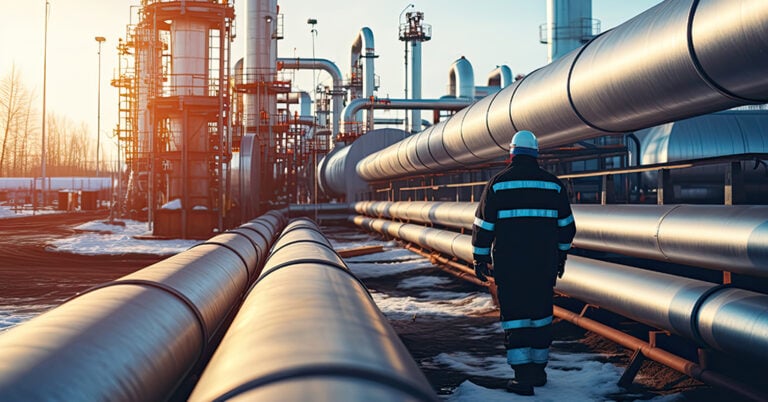
On Tuesday, members of the Nigerian Union of Petroleum and Natural Gas Workers and the Natural Oil and Gas Suppliers Association of Nigeria blocked access to major diesel depots in Lagos, Kaduna, and Koko, Delta State, halting fuel supply to thousands of telecom sites run by IHS Towers.
The blockade came after IHS accused two companies linked to NOGASA of diesel theft. While the case is still under investigation, union members have suspended fuel deliveries.
With unreliable grid power, telecom operators depend heavily on diesel generators to keep towers running. A prolonged supply cut could disrupt voice and data services for millions of users in Nigeria’s $75 billion telecom market.
The Chairman of the Association of Licensed Telecommunications Operators of Nigeria, Gbenga Adebayo, on Thursday urged the unions to address disputes through legal and contractual means, warning that telecom service disruptions could carry severe economic and security consequences.
“While ALTON does not interfere in disputes between its members and third parties, we are gravely concerned about the wider implications of this action on national infrastructure and public safety,” he noted in a statement.
IHS reaffirmed its commitment to “keeping Nigeria’s critical information infrastructure running and providing customers with strong network uptime” despite the dispute. Under Nigerian law, telecom facilities are designated as Critical National Information Infrastructure, and deliberate interference can attract penalties.
Industry data shows Nigeria’s mobile sector consumes over 40 million litres of diesel each month, with annual spending exceeding $350 billion. Costs are about 37% higher for rural and off-grid sites, where reliance on diesel is greatest.
To curb fuel expenses and lower carbon emissions, operators such as Airtel and MTN are adopting hybrid energy solutions that integrate solar panels with lithium batteries. According to the NCC and GSMA, transitioning to renewables could slash operating costs by 30% to 50%.

