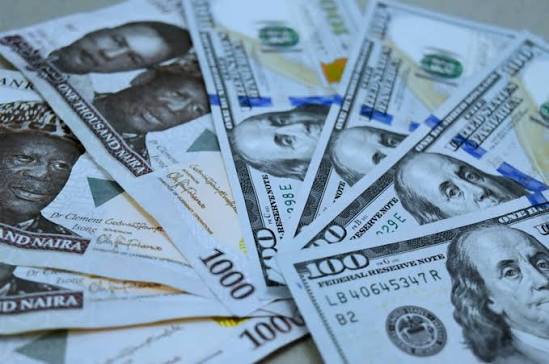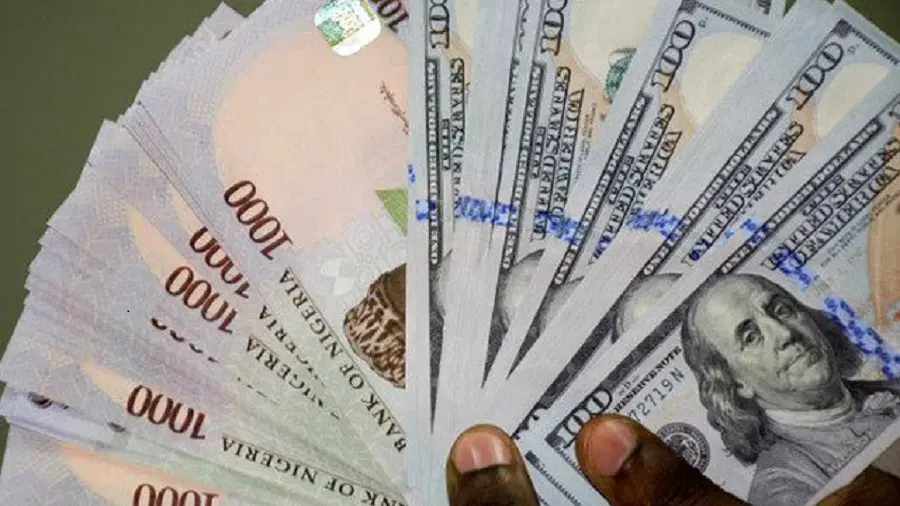
The naira lost N28 against the United States dollar to close at N1,365/$ on October 22, 2026, its sharpest one-day fall since April 2025.
Data from the Central Bank of Nigeria showed that the currency weakened from N1,337/$ recorded on October 21, a depreciation of about 2.1 per cent in a single trading session.
The drop was the largest in the closing exchange rate since April 9, 2025, when the naira slipped by N29, from N1,615/$ to N1,644/$.
The movement reversed the relatively narrow fluctuations seen in the preceding sessions.
According to CBN data, the currency closed at N1,334.99/$ on October 20 and at N1,337/$ on October 21, before the latest decline.
On October 22, the exchange rate touched an intraday high of N1,369/$, while the low for the day was N1,336/$.
The weighted average rate rose to N1,344.40/$ from N1,334.72/$ recorded on October 21.
The simple average rate also climbed to N1,344.66/$ from N1,335.41/$ in the previous session.
Interbank activity totalled 181 deals, with reported interbank turnover standing at about N316.55 million.
The daily move stands out against the more modest changes seen earlier in October, when the naira traded largely within the N1,330 to N1,340/$ range.
The depreciation comes amid heavy demand for foreign exchange and continued shifts in investment flows.
Data from the Financial Markets Dealers Association showed that Nigeria’s foreign exchange demand hit a 15-year high of $18.34 billion in the second quarter of 2026, with demand rising particularly for services and financial payments.
Nigeria’s portfolio investment increased by 45% to $6.51 billion in the second quarter of 2026.
Foreign exchange reserves grew by $12.76 billion year-on-year to $54.61 billion as of September 14, 2026.
That level was above the CBN’s projected year-end 2026 figure of about $51.04 billion, as of December 2025.
The figures point to a market shaped by both foreign exchange demand and external liquidity. However, the latest daily depreciation alone does not establish the specific factors behind Thursday’s movement.
Nigeria’s foreign exchange reserves provide a buffer for meeting external obligations and supporting confidence in the foreign exchange market.
The reported rise to $54.61 billion by September 14 placed reserves above the CBN’s earlier year-end projection of $51.04 billion.
At the same time, the record level of foreign exchange demand in the second quarter highlights the scale of dollar requirements across the economy.
Portfolio investment inflows also increased over the period, adding another dimension to the country’s external flows.