





The naira maintains a cautiously optimistic outlook this week after recent steady appreciation and a notable shift in monetary policy.
Nairametrics reported that market participants are watching the Naira/United States dollar pair closely as it navigates a narrow range to signal the next significant movement.
Immediate resistance levels sit between N1,395/$ and N1,400/$.
The psychological threshold of N1,400 remains a major ceiling in the official market.
A daily close above such a price level would suggest a short-term bearish shift for the Naira (USD strength).
The primary support lies in the N1,350-N1,360/$ bandwidth, where recent price patterns indicate high demand for the greenback.
The naira is expected to fluctuate between N1,360/$ and N1,390/$ in the official market this week.
The naira’s appeal remains relatively strong in the mid-term, as the CBN’s current FX holdings are expected to tame any major depreciation in the local currency.
Nigeria’s external reserves have reached a 13-year high, giving the CBN a substantial “war chest” to step in and preserve market liquidity in the Nigerian foreign exchange market.
The US dollar continues to show resilience in the global foreign exchange market.
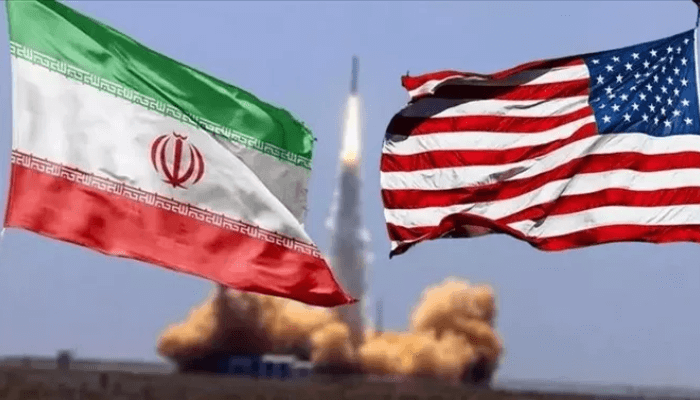
The dollar is once again demonstrating its value as a haven for investors worldwide amid the ongoing crisis in the Middle East.
The US dollar has now seen two straight weekly gains following weeks of erratic trading, and the US Dollar Index has returned above the psychologically significant 100 level for the first time since late December.
The dollar rise was not an abrupt development, nor could it be attributed to a single factor. This situation is the result of several factors coming together.
Some factors come into play, including shifting opinions of the Federal Reserve’s actions, relatively high US interest rates, and global political dynamics.
The ongoing tensions in the Middle East have coincided with this recent dollar rally, pushing investors toward well-known, defensive investments.
The US dollar often appreciates during periods of geopolitical unrest as international capital looks for security and liquidity.
Concurrently, all US Treasury yields increased, strengthening the dollar’s appeal.
Growing conjecture that inflation might increase once more, especially as energy prices react to geopolitical tensions, is partially responsible for that yield rebound.
The disinflation narrative that had begun to gain traction in the markets earlier this year may become more complex if oil and gas prices continue to rise.
The Fed continues to take a cautious approach.
The markets were not surprised when the central bank decided to maintain its policy rate from 3.50 per cent to 3.75 percent in January.
The tone was more intriguing: policymakers seemed generally at ease maintaining policy while keeping an eye on new information.
The message was reaffirmed in the meeting minutes.
Only a tiny minority of officials supported a rate cut; the majority preferred patience.
The Fed seems to be firmly in wait-and-see mode for the time being.
Additionally, Fed officials haven’t had the opportunity.
A US Central Bank official disagrees on the future course.
The economy is still doing well, according to John Williams, President of the New York Fed and a permanent voter on the Federal Open Market Committee, and rate cuts might still be necessary if inflation shows moderation.
The Fed official projected growth of about 2.5 percent this year with fiscal spending, favorable financial conditions, and ongoing investments in artificial intelligence.
Williams added that inflation pressures triggered by tariffs might lessen later in the year.