



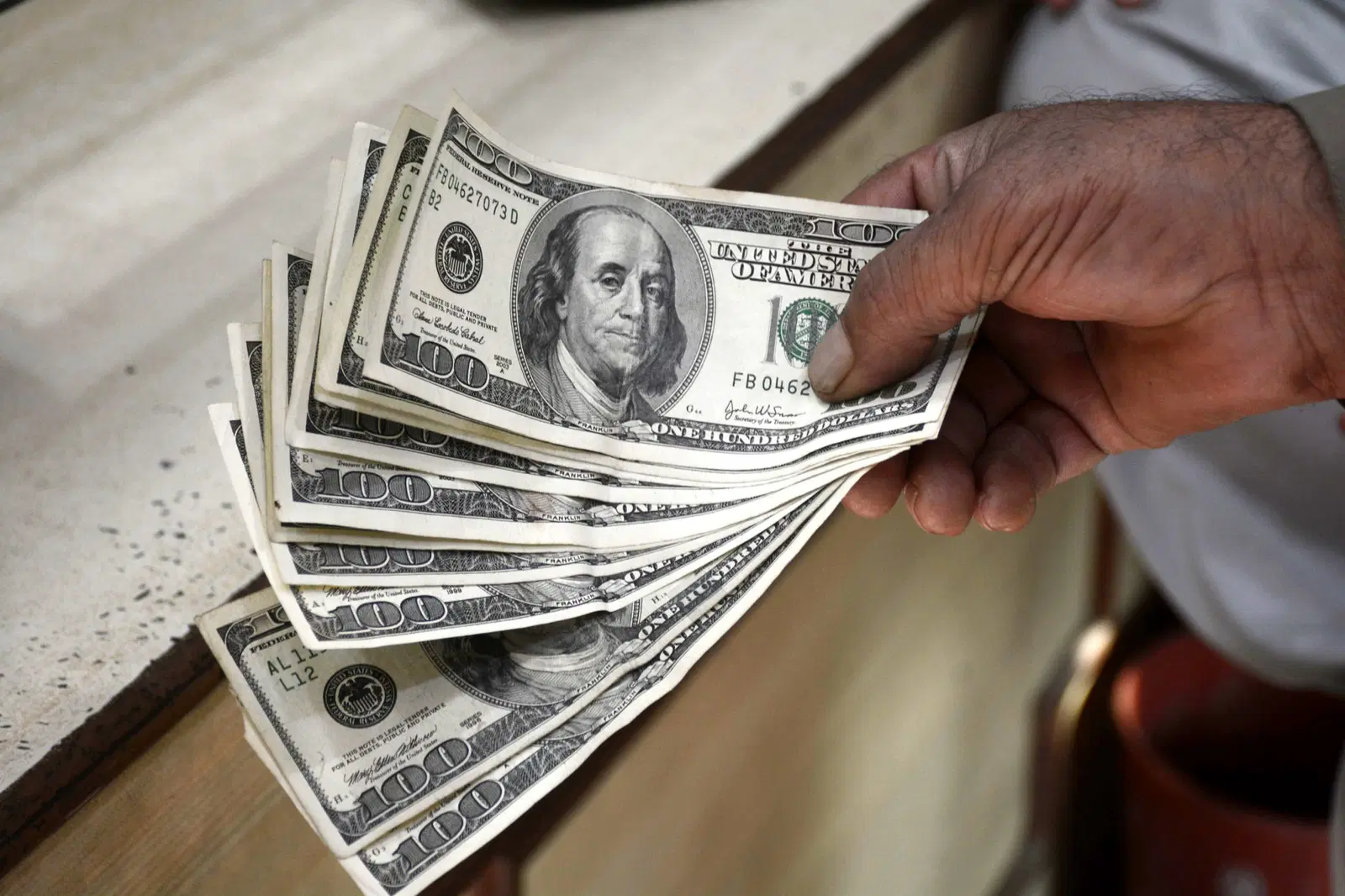
The Naira showed subtle yet firm resilience against the United States Dollar in early trading on Thursday, March 12, 2026.
Real-time data from the Nigerian Foreign Exchange Market (NFEM) and informal channels indicate the local currency navigated the mid-week session with high transparency. This performance is supported by Nigeria’s robust foreign reserve position.
In the official NFEM window, the Naira opened at 1,392.03 per dollar during the early hours.
Market activity throughout the morning saw moderate upward pressure on the rate. It touched a high of 1,400.07 before settling at a mid-morning quote of approximately 1,399.57 per dollar by 3:30 AM WAT.
This follows a period of consolidation where the Central Bank of Nigeria (CBN) cleared significant backlogs. The action has fostered a more predictable environment for authorized dealers.
Market turnover remains healthy under the “willing-buyer-willing-seller” model. It effectively manages demand from manufacturers and institutional investors for mid-month obligations.
The parallel market continues to shadow the official window with high precision. This reflects the long-term success of the central bank’s rate harmonization policies.
In the informal sector, the dollar exchanged at rates between 1,408 and 1,418 per dollar.
The spread between the official and black market windows remains exceptionally narrow at approximately 1% to 1.3%.
Traders in Lagos and Abuja note steady retail demand for small-scale business transactions and personal travel allowances. Speculative hoarding has remained non-existent due to consistent foreign exchange availability through licensed Bureau De Change (BDC) operators.
The Naira’s trajectory this Thursday is underpinned by several key economic indicators.
High foreign reserves serve as a significant pillar of support. Nigeria’s external reserves remain over 50 billion dollars, giving the CBN leverage to smooth temporary fluctuations.
Inflationary control has improved stability. Headline inflation slowed to 15.10% as of the last report, enhancing the real value of the Naira and boosting investor confidence in local currency assets.
Interest rate policy remains supportive. The Monetary Policy Rate (MPR) stands at 26.5%, creating a high-yield environment that attracts foreign portfolio investment and curbs excess local currency liquidity.
Energy sector stability has reduced pressure. Increased domestic refining capacity has significantly lowered foreign exchange demand for fuel imports, a traditional source of strain on the currency.
As the trading day progresses, market analysts expect the Naira to fluctuate within a tight band of 1,395 to 1,405 in the official window.
Stakeholders now look toward upcoming trade balance reports for further clues on the currency’s path for the remainder of the quarter.