



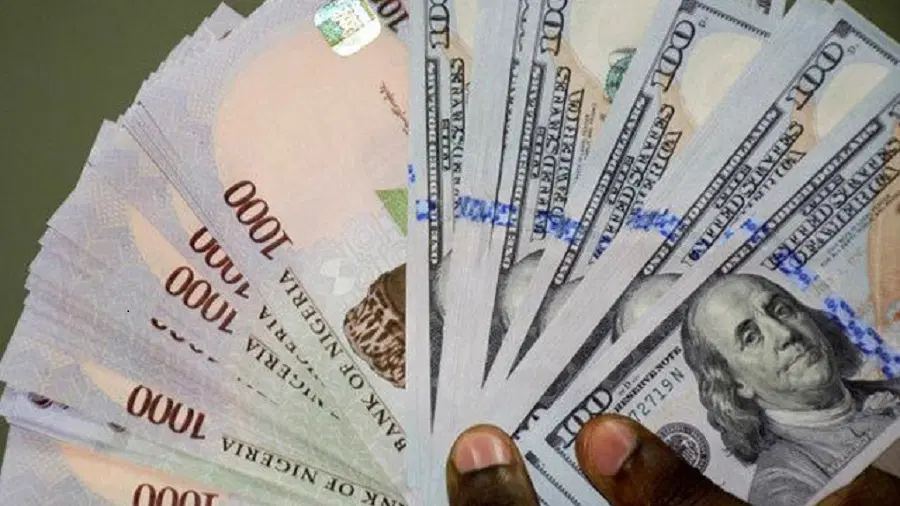
The naira appreciated slightly against the United States dollar at the official foreign exchange market on Friday, July 10, 2026, according to data from the Central Bank of Nigeria.
Figures from the Nigerian Foreign Exchange Market showed the local currency closed at ₦1,379.6201/$, compared with ₦1,378.4313/$ recorded on July 9, reflecting a marginal day-on-day movement. The market also recorded a closing rate of ₦1,381.70/$, while the day’s highest and lowest traded rates were ₦1,382.00/$ and ₦1,375.00/$ respectively. The simple average exchange rate settled at ₦1,379.7238/$, with interbank turnover reaching $71.04 million across 87 deals.
The latest figures indicate that the naira has continued to trade within a relatively stable range at the official market despite persistent demand for foreign exchange. Market analysts attribute the currency’s resilience to improved liquidity, sustained reforms in Nigeria’s foreign exchange market, and continued participation by banks and authorised dealers in the NFEM.
At the parallel market, however, the naira traded weaker than the official rate. Market checks showed the US dollar exchanged at approximately ₦1,410 per dollar for buying and between ₦1,425 and ₦1,427.50 per dollar for selling, depending on location and dealer. The gap between the official and parallel markets remained moderate, reflecting continued demand for cash foreign exchange outside the banking system.
Foreign exchange traders said demand from importers, international travellers, parents paying overseas school fees and businesses meeting external obligations continued to support activity in the parallel market. Despite improved liquidity at the official window, many retail users still rely on the informal market for quicker access to foreign currency, keeping parallel market rates above the official benchmark.
Economic observers will continue to monitor foreign exchange inflows, Central Bank interventions and market liquidity in the coming days, as these remain key factors influencing the naira’s performance across both the official and parallel markets. While the spread between both markets has narrowed compared to previous periods, exchange rate stability will largely depend on sustained foreign currency supply and investor confidence.