





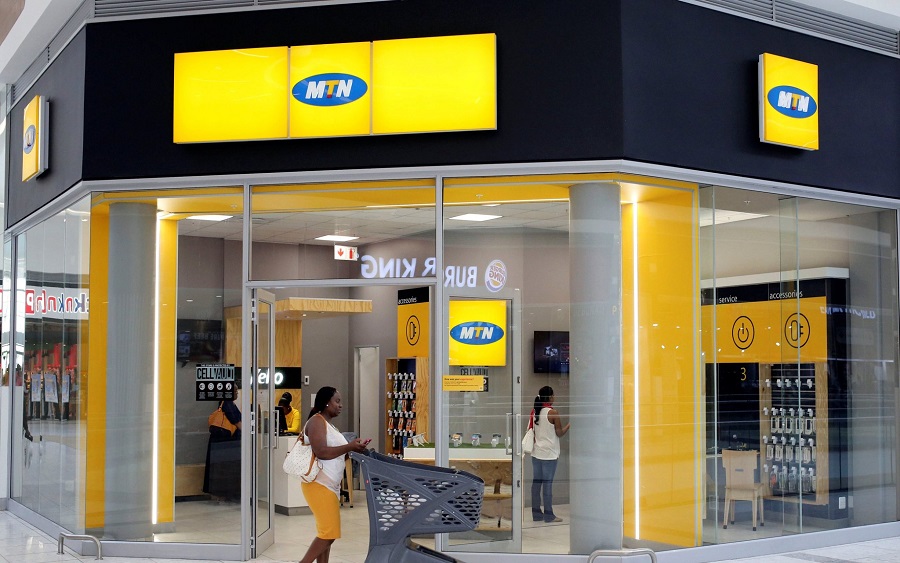
MTN Nigeria aims to expand its FibreX broadband network to over 8 million homes by 2028, up from its current 50,000 users, as part of its drive to boost digital access and reinforce the country’s internet infrastructure.
This was disclosed by MTN Nigeria’s Chief Broadband Officer,
Egerton Idehen, during a media parley on Thursday.
Idehen noted that the plan supports the company’s long-term vision of providing high-speed, low-latency fibre connectivity to homes, small businesses, and public institutions across Nigeria.
“Our goal is clear — between 2026 and 2028, we want FibreX to reach over 8 million homes across Nigeria,” Idehen said.
“When we talk about homes, we mean clusters — families, small businesses, and communities. This is about empowering people to connect and thrive in the digital economy.”
Launched in April 2025, FibreX marks MTN’s expanded and rebranded fibre broadband service. The initiative aligns with the National Broadband Plan, which targets 70 per cent broadband penetration by 2025 and seeks to grow Nigeria’s fibre network from 35,000 km to 125,000 km.
MTN is prioritizing the rollout of FTTH and FTTB networks to deliver ultra-fast, unlimited internet across urban and semi-urban areas.
According to Idehen, the expansion will enhance digital experiences for remote workers, students, and gamers, while enabling MSMEs and digital startups that depend on reliable connectivity to thrive.
“We’re building a broadband experience for everyday life — for content creators, remote workers, and students alike,” Idehen said. “Our focus is on reliability, low latency, and affordability. Fibre provides unlimited data and consistent speed, removing the daily frustration of data depletion.”
However, Idehen noted that affordability and infrastructure security remain key challenges. Issues like fibre vandalism, inconsistent right-of-way policies, and community resistance have slowed rollout in several states.
To optimise costs, MTN plans to focus on high-demand areas such as estates and residential communities.
“It’s more cost-effective to connect 10 or 20 homes at once than one at a time,” Idehen explained. “That’s why we work with homeowners’ associations to drive collective adoption.”

