


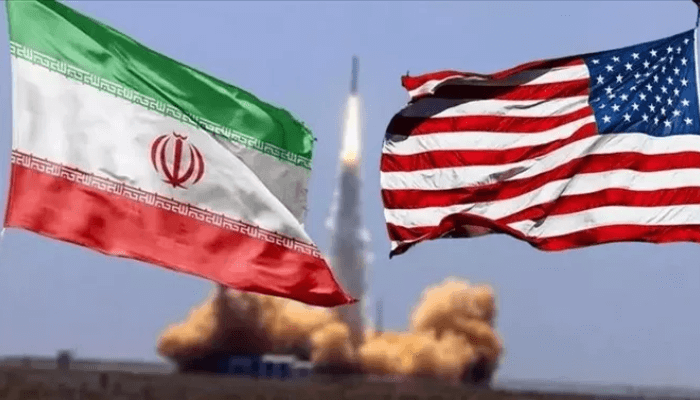

The Bank of England on Wednesday said the Middle East war had caused “a substantial negative supply shock to the global economy”, increasing risks to the financial system.
Following a surge to oil prices that is set to push up overall inflation, the BoE said the fallout will also weigh on economic growth and tighten financial conditions, such as restricted lending by banks.
“Adverse impacts on the global macroeconomy increase the likelihood that multiple vulnerabilities could crystallise at the same time, amplifying their effect on financial stability,” the BoE said in a quarterly update on identifying risks to financial stability. In its previous Financial Policy Committee report in December, the BoE identified risks posed by an overvalued AI sector and elevated government debt.
“The conflict has made the global environment materially more unpredictable and followed a period in which global risks were already elevated,” it said Wednesday. The BoE warned that the fallout could impact “the provision of vital financial services to UK households and businesses”.
However it maintained “that the UK banking system has the capacity to support households and businesses even if economic and financial conditions were to be substantially worse than expected”.
Ahead of the BoE update, British Prime Minister Keir Starmer sought to reassure the UK public over the financial fallout. “No matter how fierce this storm, we are well-placed to weather it and… we have a long-term plan to emerge from it a stronger and more secure nation,” Starmer told a press conference at his Downing Street residence.
Finance minister Rachel Reeves earlier said the Labour government was “preparing for all eventualities” as pressure mounts on her to cut fuel duty. “If I promised that I could alleviate every price increase for every person, I wouldn’t be telling the truth, because all that you will be doing if you do that is pushing up inflation, interest rates and taxes in the future,” she added.

