


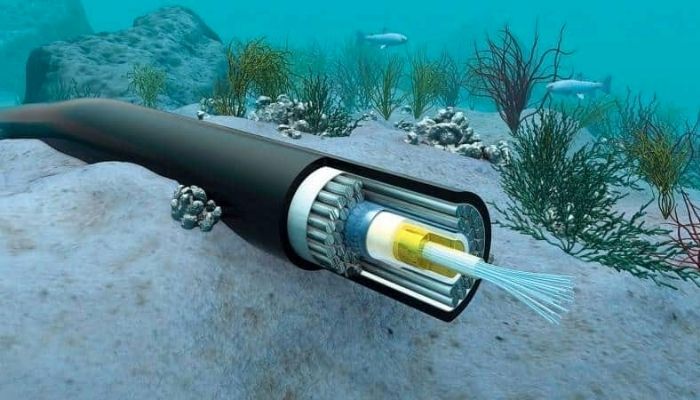
Meta, in collaboration with several prominent global and regional telecommunications companies, has officially activated the core 2Africa subsea cable system.
This system is recognized as the world’s longest open-access subsea cable and is the first to establish a continuous loop connecting both East and West Africa.
The 2Africa system spans three continents and 33 countries, linking Africa with the Middle East, South Asia, and Europe, and is ultimately designed to connect over 3 billion people. The cable’s activation represents a major breakthrough in global digital infrastructure and marks a significant turning point for the African continent’s connectivity landscape.
The system was designed, architected, and led by Meta alongside partners, including Bayobab (MTN Group), Orange, center3, Telecom Egypt, Vodafone Group, and WIOCC. The 2Africa system delivers a capacity that exceeds the combined capacity of all existing African subsea cables.
By substantially expanding available bandwidth and simultaneously reducing the cost of international connectivity, 2Africa is projected to significantly strengthen internet performance for Africa’s 1.4 billion people. This improvement is expected to power faster speeds, greater reliability, and enhanced access to digital services for households, students, small businesses, and large enterprises alike.
Kojo Boakye, vice president, public policy, Africa, Middle East & Türkiye at Meta, commented on the significance of the achievement, stating, “The completion of 2Africa is a monumental achievement, not just for Meta, but for the entire continent. This project demonstrates what’s possible when vision, investment and collaboration come together – unlocking new opportunities for millions of Africans, empowering businesses and helping to accelerate economic growth.”
Boakye also highlighted Meta’s commitment to the region, adding, “At Meta, we are proud to be the architects of this transformative infrastructure and remain deeply committed to investing in Africa’s digital future, in partnership with the ecosystem.”
The 2Africa consortium, comprising both private and public sector leaders, demonstrates the effectiveness of collaboration in constructing the world’s longest subsea cable system. With the cable now complete, millions of Africans are anticipated to experience improved internet speeds, increased reliability, and expanded access to digital services. Enterprises across the continent are expected to benefit from enhanced connectivity, which will help drive innovation, economic growth, and global competitiveness.
The activation event brought together numerous stakeholders from across Africa, including the Minister of Post, Telecoms and Digital Economy of the DRC, Hon. Jose Mpanda Kabangu.
Also in attendance were telecommunications regulators from Tanzania, Côte d’Ivoire, Republic of Congo, Democratic Republic of Congo, South Africa, Mozambique, and Angola, as well as senior officials representing Kenya and Nigeria.
Alex-Handrah Aime, vice president, Network Investments at Meta, highlighted the open nature and engineering of the system, stating, “Completing the core 2Africa system is a milestone for open, reliable capacity spanning three continents. We built 2Africa to be open by design so more providers can connect and people and businesses can get faster, more dependable service. Under the surface, it’s engineered for scale, reliability and to power the next wave of cloud and AI experiences. Above the surface, it’s about everyday impact, from a student downloading a textbook in seconds to small businesses and entrepreneurs reaching new customers online. 2Africa lays the groundwork for inclusive growth today and the innovations we haven’t imagined yet.”
The completion of 2Africa marks a defining moment for Africa’s digital future. By leading the design, funding, and deployment of the world’s longest open-access subsea cable to date, Meta and its partners are establishing the necessary foundation for faster, more reliable internet, the creation of new digital jobs, and the development of the next generation of online experiences.

