Nigeria’s manufacturing sector lost roughly 10 per cent of its business activity in September 2026, according to the Nigerian Economic Summit Group.
A contraction in the cement subsector, along with weaker showings in several other industries, pulled the sector’s business index down.
The NESG’s Business Confidence Monitor put the manufacturing Current Business Performance Index at 108.4 points in September, down from 120.4 points in August. Persistent cost pressures, tight credit conditions and operational challenges were behind the decline.
Even so, the wider economy kept expanding. The composite CBPI climbed to 117.8 points, compared with 112.7 points in August and 107.9 points in September 2025.
The NESG said every major sector recorded expansion, with trade posting the strongest result. The trade index jumped to 128.5 points from 112.0 points in August.
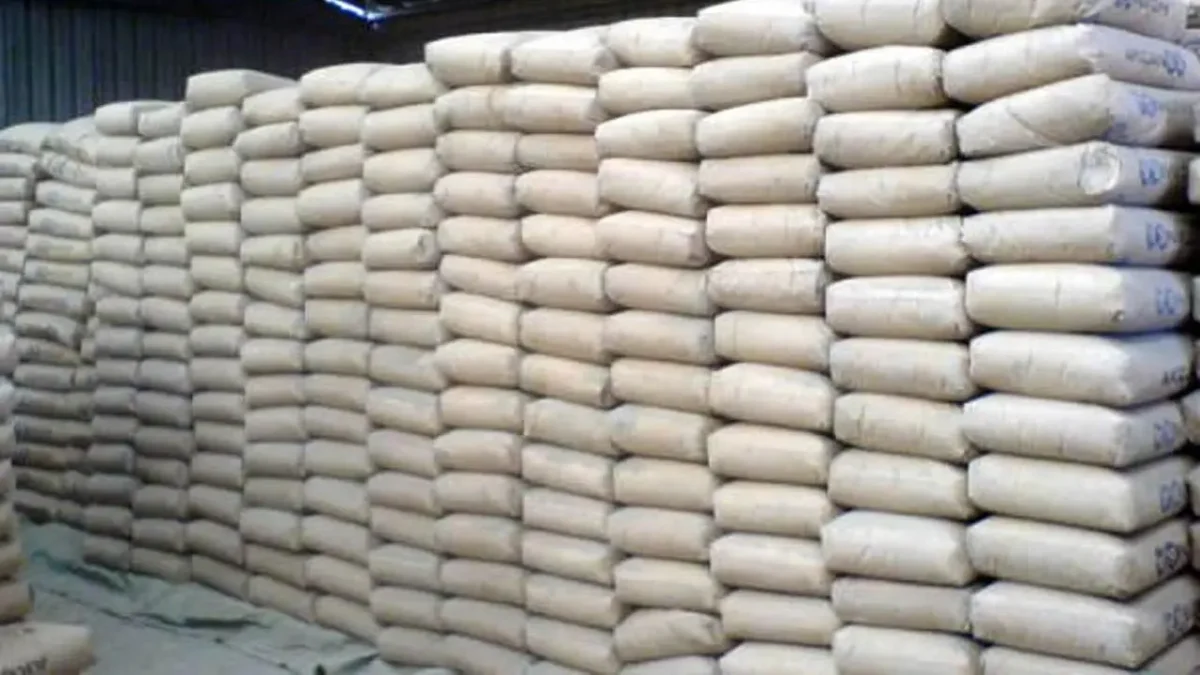
Performance among the biggest manufacturing subsectors was mixed. Food, Beverage and Tobacco stayed in expansion territory but slowed, while Textile, Apparel and Footwear did better than in the previous month. Cement, however, slipped into contraction.
Activity also shrank in Chemical and Pharmaceutical Products, Plastic and Rubber Products, Wood and Wood Products, Non-Metallic Products, Basic Metal, Iron and Steel, and Motor Vehicles and Assembly.
Pulp, Paper and Paper Products stayed in expansion, though its index did not change. Electrical and Electronics recorded stronger activity, while Other manufacturing hovered around the 100-point mark that separates expansion from contraction.
The report named energy shortages, inadequate raw-material supplies, high rental costs, tight credit conditions and infrastructure deficiencies as the main constraints facing manufacturers. These problems raised operating costs and discouraged fresh investment.
In agriculture, the CBPI rose to 117.7 points in September from 110.5 points in August and 107.3 points a year earlier. Crop production and agro-allied activities expanded more strongly, while livestock activity slowed. Forestry and fishing moved into contraction.
The sector still faced inadequate financing, power outages, insecurity and infrastructure bottlenecks.
Services activity slowed, with its index falling to 107.7 points from 112.4 points in August, although it remained in expansion territory.
The NESG’s findings suggest that stronger trade and agricultural activity propped up the broader economy, even as rising costs and operational constraints continued to weigh on manufacturing.