
The African Development Bank Group has projected that Nigeria’s economic growth will ease to 3.7 per cent in 2027, citing weaker global oil prices that are expected to dampen external revenue inflows, even as a modest improvement is forecast for 2026.
The forecast was contained in the bank’s newly released African Economic Outlook 2026 report, which estimated that growth would edge up from 4.0 per cent in 2025 to 4.1 per cent in 2026.
The report attributed the expected 2026 uptick to higher oil prices and output, stronger performance in the services sector, and increased public investment in infrastructure, particularly in electricity, transport, and logistics.
The AfDB stated, “Growth in Nigeria, the region’s largest economy, is projected to increase marginally from an estimated 4.0 per cent in 2025 to 4.1 per cent in 2026, supported by increasing oil prices and production, growth in the services sector, and increased public investment in electricity, transport, and logistics. In 2027, growth is projected to decelerate to 3.7 per cent on account of the anticipated easing of global oil prices and thus reduced external revenue inflows.”
The African Development Bank has cautioned that Africa’s medium-term economic outlook remains exposed to risks including supply chain disruptions, persistent inflationary pressures, currency depreciation, and tighter global financial conditions.
In its report, the bank noted that rising fuel and fertiliser costs could dampen agricultural productivity, heighten food insecurity, and intensify inflationary pressures across the continent.
It further warned that sustained high inflation may compel African central banks to maintain or tighten monetary policy, a move that could constrain economic growth by limiting credit expansion to the private sector.
The AfDB further noted that prolonged global economic shocks could deepen debt vulnerabilities, raise borrowing costs, weaken fiscal positions, and limit governments’ ability to sustain public investment and social spending across African economies.
To address these risks, the bank called on African countries to implement coordinated fiscal, monetary, and structural reforms aimed at strengthening resilience and cushioning the impact of recurring external shocks.
The report stated, “Addressing the adverse impacts of successive waves of shocks and increasing geopolitical fragmentation on African countries requires a holistic approach, comprehensive policy, and financing. African central banks need to implement prudent monetary and exchange rate policies tailored to anchoring long-term inflation expectations.”
The bank also urged African countries to enhance domestic resource mobilisation by broadening tax bases, digitising tax administration systems, and improving transparency and accountability in public spending.
According to the report, African economies must also strengthen their ability to attract and retain external financial inflows, particularly in high-growth sectors such as renewable energy and digital infrastructure, including data centres.
The AfDB said that maintaining macroeconomic stability and deepening domestic financial markets would be essential for sustaining investor confidence and reducing the risk of capital flight or sudden reversals.
The institution also advised African countries to adopt proactive crisis-response measures, including contingency financing frameworks, diversification of fuel and fertiliser supply sources, and temporary liquidity support for businesses facing financial stress.
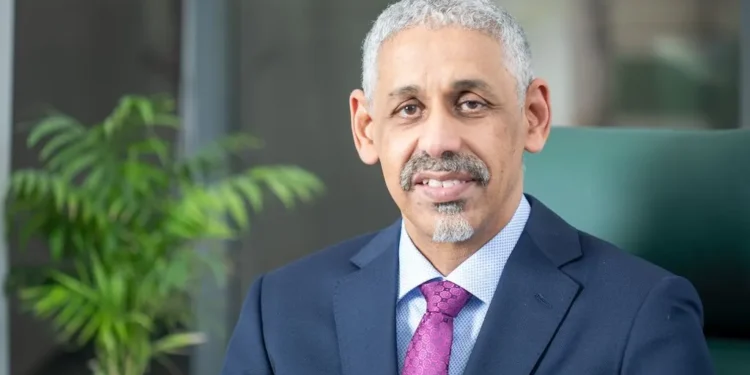
In the report’s foreword, the President of the African Development Bank Group, Dr Sidi Tah, said Africa remained resilient despite mounting global and regional challenges.
Tah said, “Africa stands at a critical juncture in its development journey. Its economies continue to demonstrate remarkable resilience despite numerous concurrent challenges, such as escalating trade tensions, the intensifying effects of climate change, the effect of the COVID-19 pandemic, declining international aid and foreign direct investment, increased global and regional conflicts, and ongoing geopolitical fragmentation.”
He added that African economies expanded in 2025, with average real GDP growth rising to 4.4 per cent, positioning the continent among the world’s fastest-growing regions.
The AfDB president noted that the 2026 outlook report calls for a fundamental rethink of Africa’s development financing and policy management.
The report also projected that growth in West Africa would stabilise at 4.7 per cent in 2026 and 4.5 per cent in 2027, compared with an estimated 4.8 per cent in 2025.
It further noted that 10 out of 15 countries in the region are expected to record growth of at least five per cent in 2026, placing them among the fastest-growing economies on the continent.