






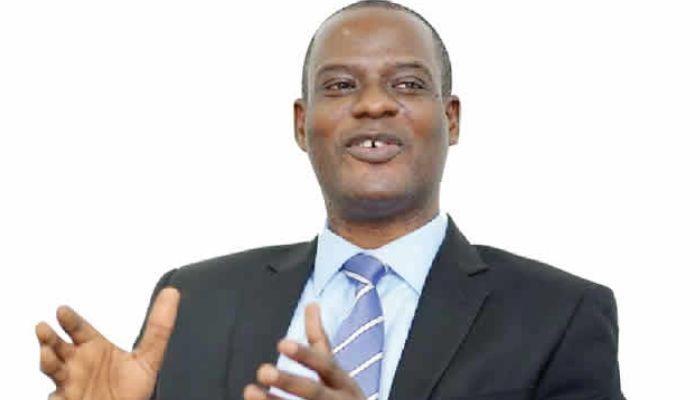
The Chairman of the Presidential Fiscal Policy and Tax Reforms Committee, Taiwo Oyedele, has defended the Nigeria Tax Act clarifying the policy intent behind the legislation and stating that KPMG Nigeria misunderstood the reform.
Oyedele made the clarification in a statement issued on Saturday in response to KPMG’s analysis of the Nigeria Tax Act, in which the professional services firm highlighted what it described as perceived weaknesses in the new tax laws.
In its assessment, KPMG stated: “There are certain errors, inconsistencies, gaps, omissions, and lacunae in the new tax laws that need to be urgently reconsidered to ensure the attainment of the stated objectives,” while also calling for a review of the legislation.
Reacting to the publication, Oyedele said: “We welcome all perspectives that contribute to a shared understanding and successful implementation of the new tax laws.”
He acknowledged some aspects of KPMG’s submission, stating: “We acknowledge that a few points raised by KPMG are useful, particularly where they relate to implementation risks and clerical or cross-referencing issues.”
However, Oyedele faulted the overall assessment, saying: “However, the majority of the publication reflected a misunderstanding of the policy intent, a mischaracterisation of deliberate policy choices, and, in several instances, repetitions and presentation of opinion and preferences as facts.”
He further argued that many of the issues highlighted by the firm were incorrectly described, noting: “A significant proportion of the issues described as “errors,” “gaps,” or “omissions” by KPMG are either:
“The firm’s own errors and invalid conclusions,
“Issues not properly understood by the firm,
“Missed context on broader reforms objectives,
“Areas where KPMG prefer different outcomes than the choices deliberately made in the new tax laws, and
“Obvious clerical and editorial matters already identified internally.”
Oyedele stressed that policy disagreements should be clearly distinguished from actual flaws in the law, stating: “While it is legitimate to disagree with policy direction, disagreements should not be framed as errors or gaps.”
He also criticised KPMG’s approach to engaging with the reform process, saying: “KPMG would have been more effective if the firm adopted a similar approach like other professional firms who engaged directly providing the opportunity for clarifications and mutual-learning.”
According to him, clarity between policy intent and professional preference is essential, adding: “It is equally important to distinguish between policy choices designed to achieve the reform objectives and proposals that merely represent a firm’s preference.”
After addressing KPMG’s arguments point by point, Oyedele said the firm failed to adequately recognise the core gains embedded in the new tax laws, noting: “While acknowledging the objectives of the reform, KPMG could have highlighted the major structural improvements under the new laws, including:
“Simplification and tax harmonisation,
“The scope for reduction in corporate tax rate from 30% to 25%,
“Expanded input VAT credits for businesses,
“Tax exemption for low-income earners and small businesses,
“Elimination of minimum tax on turnover and capital, and
“Improved investment incentives for priority sectors. A balanced assessment would have recognised these transformative elements, among others.”
He explained that the reform process was inclusive and consultative, stating: “The tax reform is the result of an extensive consultation with various stakeholder groups in addition to the legislative process that included widely publicised public hearings, avenues intended for all stakeholders including international firms to provide technical expertise at the formative stage.”
Oyedele acknowledged the possibility of minor technical issues arising in a reform of such scale, adding: “In any comprehensive overhaul of a nation’s tax framework, clerical inconsistencies or cross-referencing gaps may occur, and these are already being identified within the government.”
He described the new tax regime as a strategic shift for the country, saying: “The tax reform represents a bold step toward a self-sustaining and competitive Nigeria. An effective review needs to connect identified gaps to clear policy intents and the reality of modern-day tax systems within the context of economic development and global competitiveness.”
Oyedele also highlighted the role of implementation and regulation in determining the success of the law, noting: “At this stage, the effectiveness of the tax law depends on administrative guidance, clarifications from the tax authority, and regulations to complement precise statutory provisions where necessary pending future amendments.”
He concluded by calling for a more constructive engagement from stakeholders, stating: “We urge all stakeholders to pivot from a static critique to a dynamic engagement model, which allows for clarifications and a productive partnership in the implementation of the new tax laws.”

