





Former Nigerian President Muhammadu Buhari passed away on July 13, 2025, at a clinic in London, United Kingdom. He was 82.
A retired major general, Buhari was one of Nigeria’s most prominent political figures.
Buhari’s demise was announced by his former spokesperson, Garba Shehu, who described the late president as a patriot who “dedicated his life to the service of Nigeria.”
He first led the country as a military head of state from 1983 to 1985, before returning to power as a democratically elected president in 2015, serving two terms until 2023.
His civilian presidency was defined by a sweeping anti-corruption agenda, an ambitious economic reform programme, and persistent efforts to tackle insecurity across the country.
However, under his leadership, Nigeria experienced a mix of economic highs and lows — including two recessions, aggressive currency reforms, and a rising debt burden — leaving behind a complex and contested economic legacy.
Economic Recession
During Buhari’s administration, Nigeria experienced two economic recessions.
The first, in 2016, was driven by a steep drop in global oil prices and the mismanagement of a mounting currency crisis.
The second followed in 2020, as the COVID-19 pandemic disrupted global trade, weakened oil demand, and led to widespread economic contraction.
In 2020, the Buhari administration rolled out the ₦2.3 trillion Economic Sustainability Plan in response to the economic fallout from the COVID-19 pandemic.
The plan aimed to stimulate job creation, support micro, small, and medium-sized enterprises, and strengthen the agricultural sector.
Buhari also inaugurated the National Poverty Reduction with Growth Strategy Steering Committee, aiming to lift 100 million Nigerians out of poverty over a 10-year period.
The strategy focused on agriculture and economic diversification as key drivers of long-term, inclusive growth.
Naira Redesign
In 2022, the Central Bank of Nigeria unveiled plans to redesign three of the nation’s eight banknotes—₦200, ₦500, and ₦1000, with the new notes scheduled for release on December 15, 2022.
The apex bank stated that the existing versions of these denominations would remain legal tender until January 31, 2023.
The newly redesigned naira notes were officially unveiled by President Muhammadu Buhari on November 23.
However, the rollout drew criticism from many Nigerians, who dismissed the changes as mere “repainting” rather than a true redesign.
NNPC Reform
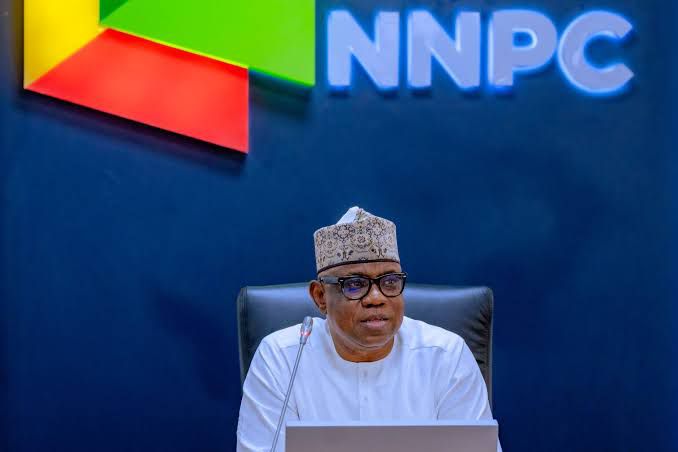
In July 2022, the Nigerian National Petroleum Corporation underwent a major structural reform, transitioning into a limited liability company.
Buhari stated that, following the transition, the company would operate commercially and deliver value to over 200 million Nigerians as its shareholders.
Naira depreciation/Debt
Under Buhari’s administration, Nigeria’s debt stock rose from ₦42 trillion to ₦77 trillion, leading to a sharp increase in debt servicing costs — from ₦1.06 trillion in 2015 to ₦5.24 trillion by 2022.
The naira depreciated significantly during Buhari’s tenure, with the official exchange rate dropping from around ₦197 to the US dollar in 2015 to ₦464.51 by the end of his administration.
In the parallel (black) market, the rate averaged about ₦762 to the dollar, highlighting the widening gap between official and unofficial exchange rates.
Low Oil Production
Although Nigeria remained Africa’s top oil producer, crude oil output consistently declined during Buhari’s administration.
In January 2022, Nigeria’s crude oil production stood at 1.39 million barrels per day, but it declined steadily over the next four months before recovering slightly to 1.15 million barrels per day in June.
Throughout 2022, Nigeria’s oil production struggled to exceed 1.4 million barrels per day.
Implementation of Treasury Single Account
While the Treasury Single Account was initiated under former President Goodluck Jonathan, it was fully implemented by the Buhari administration in September 2015.
The policy centralized all government revenues into a single account at the Central Bank of Nigeria, aiming to boost transparency and minimize financial leakages across ministries, departments, and agencies.
Border Closure
In August 2019, the Buhari administration ordered the partial closure of Nigeria’s land borders to curb smuggling and boost local rice production — a move that contributed to rising food prices.

