


The Independent Petroleum Marketers Association of Nigeria has urged the Nigerian National Petroleum Company Limited to settle outstanding petroleum equalisation funds owed to its members.
IPMAN also called on NNPCL’s Group Chief Executive Officer, Bayo Ojulari, to clear pending loading tickets by supplying marketers with products they had already paid for.
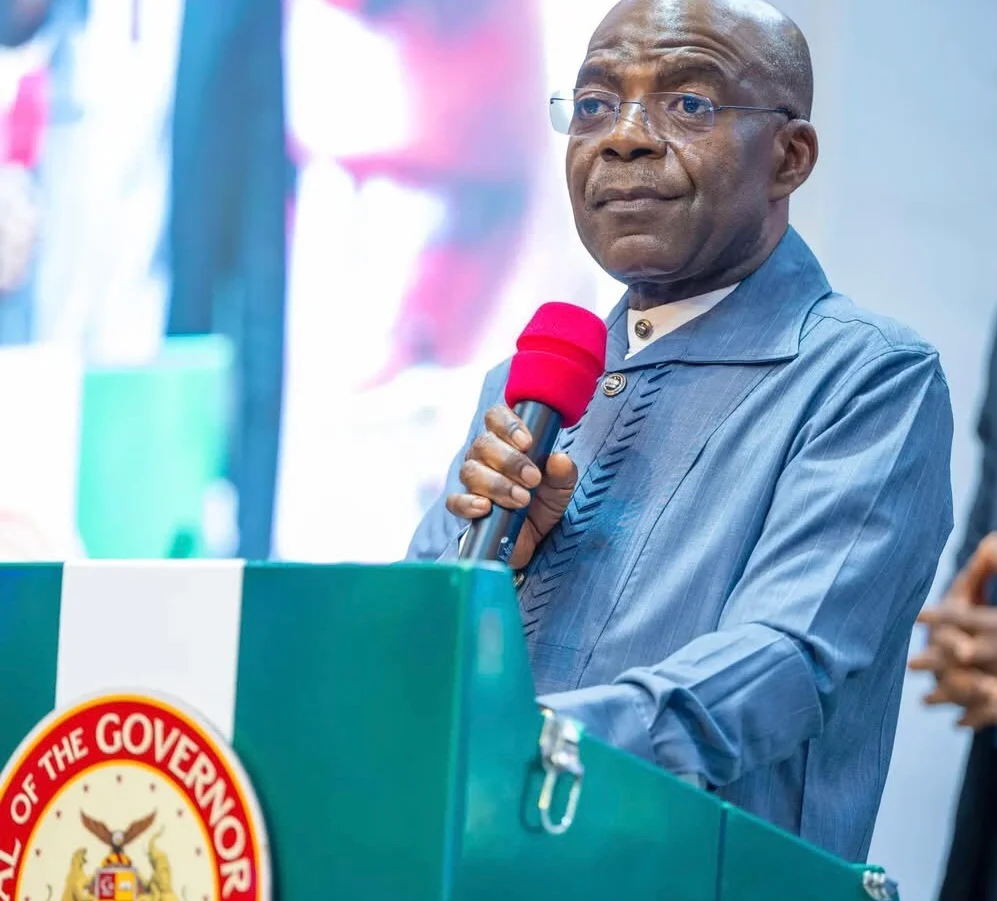
Speaking on Thursday, IPMAN’s Publicity Secretary, Chinedu Ukadike, commended NNPC’s new management for generating over N20 trillion within four months but noted that marketers are still owed about N25 billion in equalisation arrears.
The Petroleum Equalisation Fund, which existed before deregulation, was established by the Federal Government to reimburse marketers for losses incurred in maintaining uniform fuel prices nationwide.
The scheme, which served as a form of subsidy, was administered by the now-defunct Petroleum Equalisation Fund Management Board.
In 2021, the Federal Government established the Nigerian Midstream and Downstream Petroleum Regulatory Authority through the merger of three abolished agencies: the Petroleum Products Pricing Regulatory Agency, the Petroleum Equalisation Fund Management Board, and the midstream and downstream divisions of the Department of Petroleum Resources.
Following President Bola Tinubu’s declaration ending the fuel subsidy regime, the Petroleum Equalisation Fund was formally scrapped in line with the Petroleum Industry Act. Although meetings were reportedly held with marketers in 2023 to reconcile accounts and settle outstanding claims, members of IPMAN say they are still being owed by the government as of the time of this report.
“However, we, the independent marketers, have been calling on NNPC to reimburse us for our money or give us products from some of our tickets that are being tied down in their system through their portal. Though they have started, it is not in full force. So, we are appealing to the GCEO to look at some of the outstanding tickets and clear them.
“And also, the issue of pending funds that are in PEF – since they have made gains, they should also try and clear it so that marketers can have their money and compete in this deregulated economy and ensure energy security. The debt used to be over N40bn, but I think by now, the money has shrunk to around N25bn,” Ukadike said.
When asked about communication with the NNPCL regarding the debts, he said, “They have our complaints already. At our last meeting with the GCEO, who was represented by the Director of Midstream Operations, he took note of these issues. I think they acted swiftly. But there are also some lingering payments left behind.”
He urged the NNPCL and the regulator to consolidate all outstanding bridging claims and settle them at once, noting that such action would improve fuel distribution.
“What I am also saying is that if they can have a total compilation of all these bridging claims and clear it at once, it will help the system and make distribution more viable, and Nigerians will enjoy energy security,” he stated.
Ukadike said he could not give specific figures on the number or value of loading tickets currently held in the NNPCL portal.
He explained that marketers had already paid for fuel but were unable to lift the products, and he urged the NNPC to address the situation.
“I can’t quantify the number of tickets, but I know that it’s a sizeable number,” he stated.
Ukadike further observed that the petroleum industry is stabilising, with fuel scarcity no longer a concern. He, however, stressed that marketers are now grappling with a price war.
“The industry has taken a very good shape, and that shape the industry has taken has allowed broadened participation and distribution. You can also find out now that there is nothing like fuel scarcity anywhere.
“The issue we are having now is a price war. And that price war is the essence of the liberalisation of the market. Demand and supply are now determining the market prices and the pricing of petroleum products. Marketers have choices, and commuters can now obtain petroleum products wherever, however, and whenever they want,” he said.