



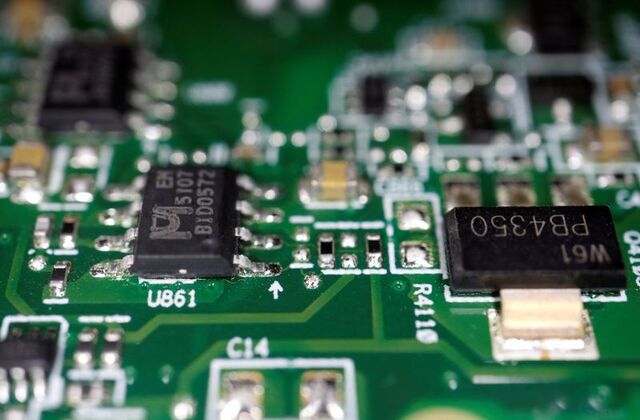
The global smartphone market is encountering major challenges in 2026 as a severe memory chip shortage, fueled by rising demand from AI infrastructure, disrupts supply.
In a report by the International Data Corporation, the smartphone industry could shrink by as much as 5.2 per cent in a worst-case scenario, while average selling prices may climb 6 per cent to 8 per cent as manufacturers contend with higher component costs.
This represents a stark turnaround from previous growth forecasts and highlights the disruptive effects of supply shortages
The memory shortage is driven by chipmakers prioritizing AI data centers, with Samsung, SK Hynix, and Micron focusing on HBM and DDR5 for hyperscalers. DRAM prices rose 50 per cent in 2025, with another 40 per cent expected in early 2026, making memory 15–20 per cent of mid-range smartphone costs and forcing OEMs to raise prices or cut specs.
Low- and mid-tier makers like TCL, Xiaomi, and Lenovo are most exposed, with thin margins limiting their ability to absorb rising costs, likely pushing prices up for consumers.
In contrast, Apple and Samsung can better manage pricing and inventory thanks to long-term supply deals and stronger financial reserves.
The shortage is altering market dynamics, with IDC warning that the long-running push to bring flagship features to affordable devices is reversing as OEMs cut specs or raise prices. At the same time, channel inventories surged in Q4 2025 as vendors brace for further price swings.