The International Energy Agency has warned that global energy markets may not return to pre-Iran war conditions until 2027, as the conflict continues to disrupt oil and gas supplies and push up energy prices worldwide.
The IEA Executive Director, Fatih Birol, disclosed this on Monday, October 26, 2026, at the Singapore International Energy Week conference, warning that the conflict, which began in late February, could have prolonged effects on global energy markets.
Birol also forecast a revival in nuclear energy investment, citing an IEA survey that found 90 gigawatts of nuclear power capacity under construction worldwide, the highest level in four decades.
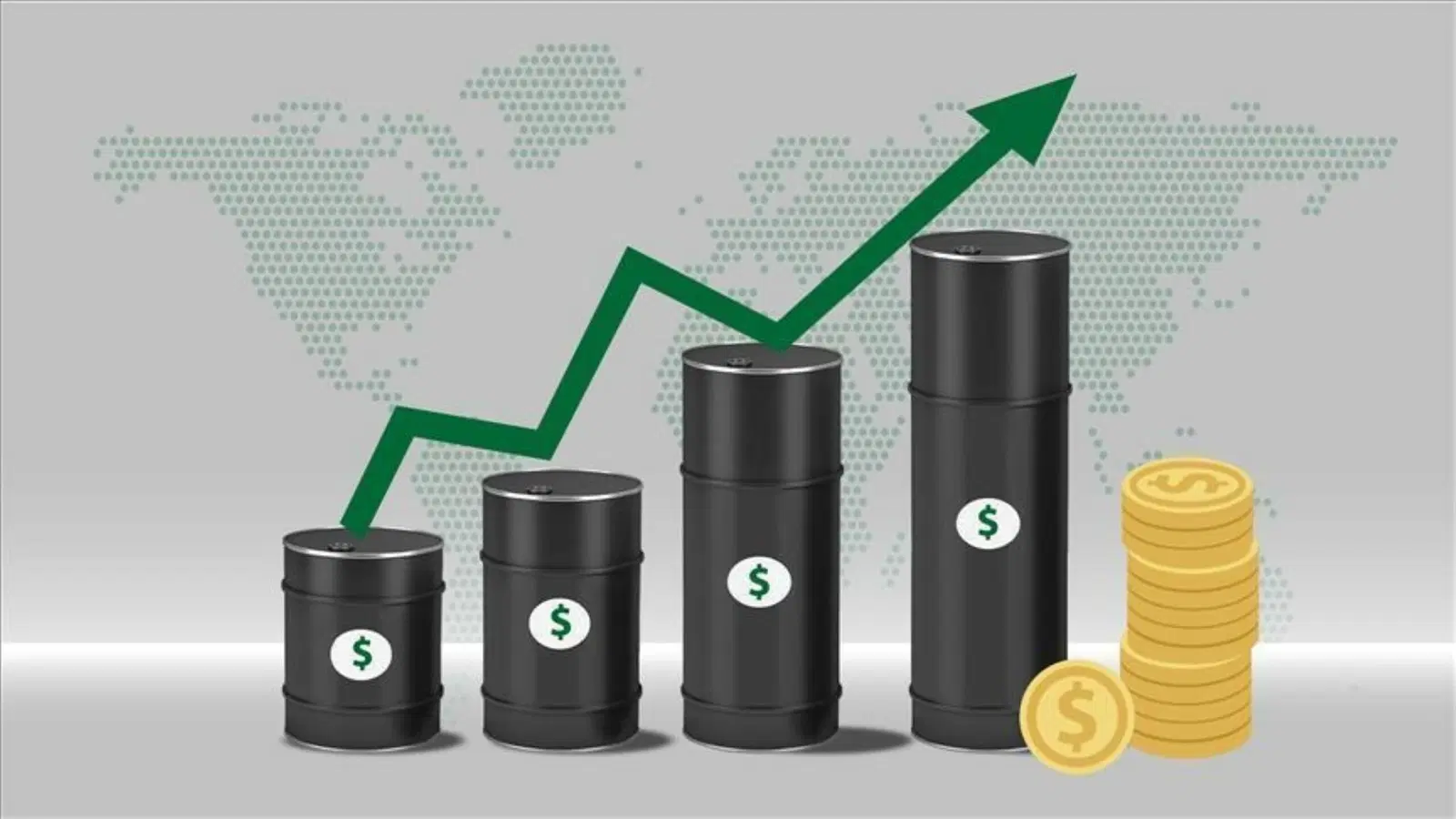
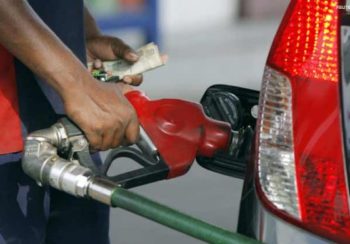
Global oil prices have surged since the outbreak of the Iran war, with renewed Houthi attacks in Saudi Arabia pushing Brent crude futures to $117 per barrel on Friday, their highest level in nearly six months.
Although oil prices eased on Monday, Brent crude remained about 59 per cent above its pre-war level, reflecting persistent supply disruptions and continued pressure on global energy markets.
“I am afraid I don’t see any credible pathway that the markets will go next year, where we were before this war has started,” Birol said.
The IEA chief warned that governments and businesses must prepare for prolonged market uncertainty by prioritising energy security while reassessing the future direction of their energy systems.
“So therefore, we all need to get prepared, taking the energy security as a number one priority in our government, business world, but without forgetting what is the next chapter for the countries and for companies that are all here today,” he added.
The sustained rise in global oil prices is putting pressure on several economies, particularly those reliant on imported petroleum products, as higher energy costs widen trade deficits and increase import bills.
In Nigeria, energy inflation more than doubled to 10.85 per cent in September 2026, up from 4.69 per cent in August, reflecting mounting pressure on domestic energy prices.
According to the National Bureau of Statistics, annual energy inflation rose by 6.16 percentage points between August and September, representing a 131.34 per cent increase.
Meanwhile, Nigeria’s headline inflation rate eased to 14.63 per cent in September from 15.39 per cent in August, despite the sharp rise in energy inflation.