
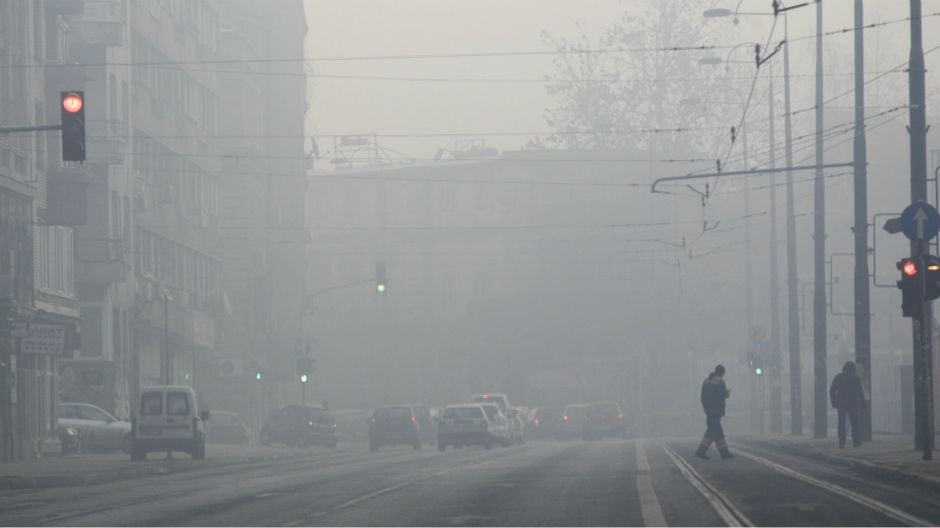




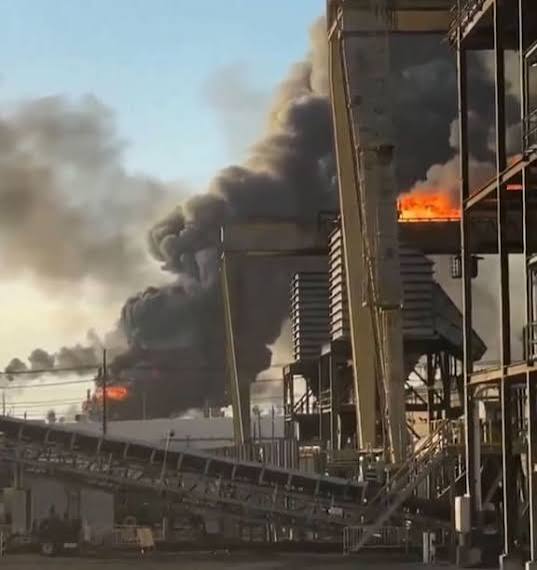

Global air quality worsened in 2025, as more cities fell short of international health standards due to severe wildfires and pollution from sectors such as fossil fuels and agriculture.
This was disclosed in a report released Tuesday by IQAir Group.
In the report, data from nearly 9,500 cities showed that just 14 per cent met the World Health Organization’s guidelines for annual average levels of fine particulate matter (PM2.5).
“The productivity of a whole future generation will be tied to air quality,” said Frank Hammes, global chief executive officer of IQAir.
“We know that air pollution reduces IQ, we know that air pollution reduces the ability of physical labor, and we know that air pollution ultimately will cost the health system as people need medical attention and drop out of the labor force.”
Wildfires were a major driver of the decline last year, with record emissions from fires in Europe and Canada.
Outdoor air pollution was linked to about 5.7 million deaths in 2020, with annual economic losses estimated at $4.5 trillion to $6.1 trillion, up to 6.5 per cent of global GDP, according to a World Bank report released last year.
While some countries are tightening air quality regulations, policy direction in the United States is shifting, with the Environmental Protection Agency rolling back rules it says add costs and restrict consumer choice.
Pakistan and Bangladesh recorded the highest annual average PM2.5 concentrations, while French Polynesia and Puerto Rico reported the lowest levels.
They were among 13 countries or territories that met the World Health Organization’s recommended limits, according to IQAir.
The Switzerland-based company IQAir provides air quality data as well as purification and monitoring systems.
PM2.5 is considered more dangerous to human health than larger particles because it can penetrate deep into the lungs, causing inflammation and increasing the risk of cardiovascular and respiratory diseases, as well as cancer. Children exposed to air pollution may also suffer long-term respiratory damage.
Major human sources of PM2.5 include vehicle exhaust, industrial emissions, power generation, agriculture, and residential burning of wood or coal, according to the report.

