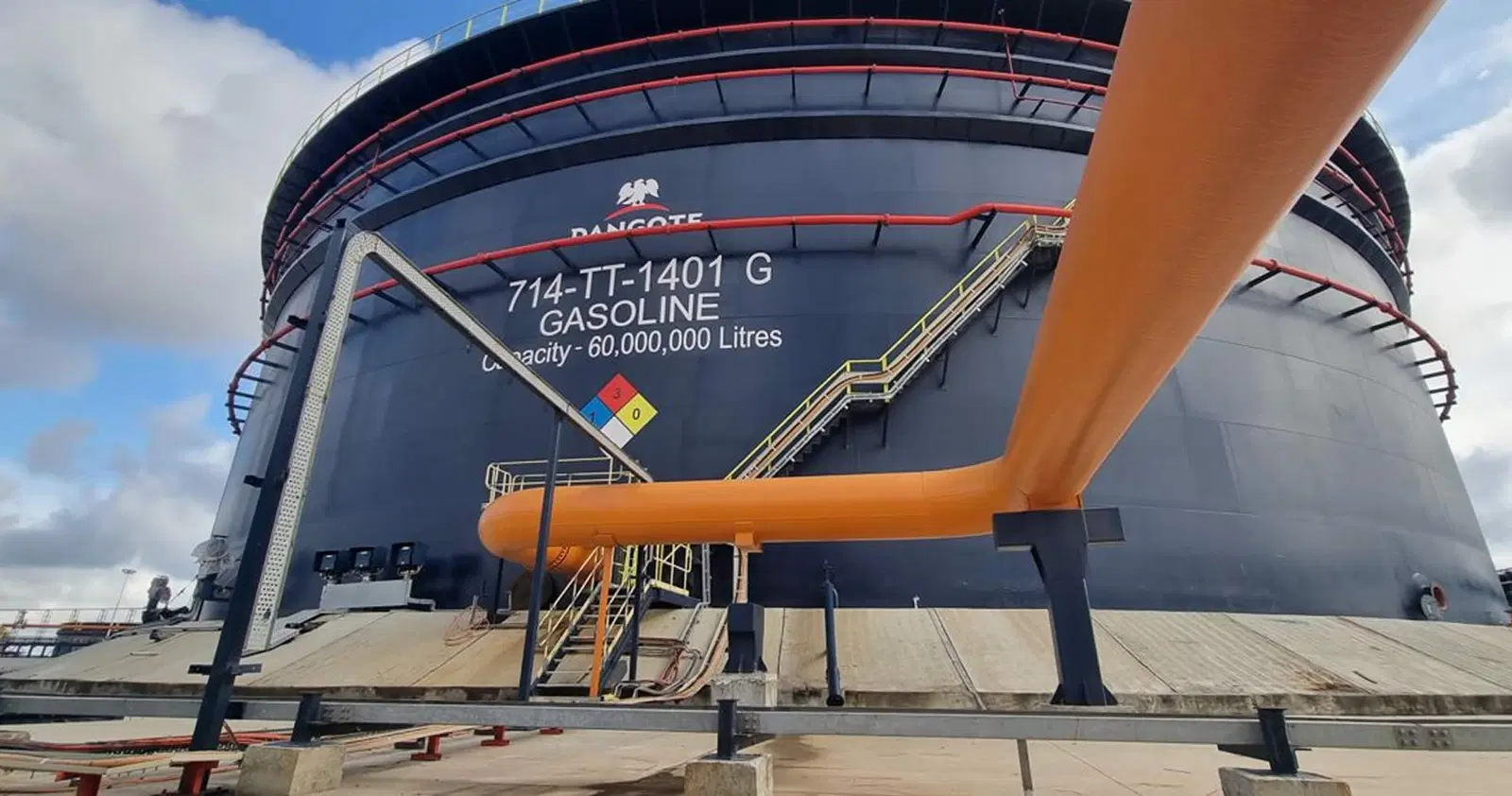




Electricity generation companies have urged the Nigerian Electricity Regulatory Commission to promptly review electricity tariffs in response to the Federal Government’s recent hike in the domestic base price of gas.
They warned that any delay could exacerbate liquidity pressures and create further distortions in the power sector, according to The PUNCH.
The Chief Executive Officer of the Association of Power Generation Companies,
Joy Ogaji, stated that operators are less concerned about the gas price increase itself and more apprehensive about potential regulatory delays in adjusting tariffs to reflect the new cost environment.
In an interview, Ogaji described gas as a “pass-through cost” that must be transparently reflected in electricity tariff calculations.
She said, “Gas price, whether it is raised to $10, is not really our problem. Gas is a feedstock and a pass-through cost. So if the regulator in the power sector is comfortable with the increase, it is not a problem for us because whatever we are charged, we pass it down to consumers.
“All we want is for NERC to acknowledge the new base price and input it into tariff calculations. There is now a clear difference between what we used to pay and the new price, and that gap must be recognised,” she said.
Despite advocating for tariff adjustments, Ogaji emphasized that the sector’s main challenge is poor payment discipline, not electricity pricing.
“For us, whether the price is high or low is not the issue. What matters is whether payments are made for what is supplied.
“Even when the price was low, what percentage of invoices were settled? If you increase the price and payments are still not made, what difference does it make?” she queried.
She also called for the creation of what she termed “bankable demand” in the electricity market, arguing that the lack of a clear and reliable payment structure continues to discourage investment.
“We need to define bankable demand in the market. Until we do that, we cannot determine whether investor confidence will improve or whether new investors can come in.
“Nigeria has over 200 million people, but how many are actually paying for electricity? And even among those who are paying, do we have transparency to verify those payments? There is no transparency anywhere,” she added.
Ogaji warned that without structural reforms—including stronger political will and stricter enforcement—the power sector risks stagnation.
“If we are not careful and do not change the dynamics, we will still be discussing the same issues in two years. The President needs to take decisive action, possibly declare a state of emergency in the sector and give clear marching orders on what must be achieved,” she said.