







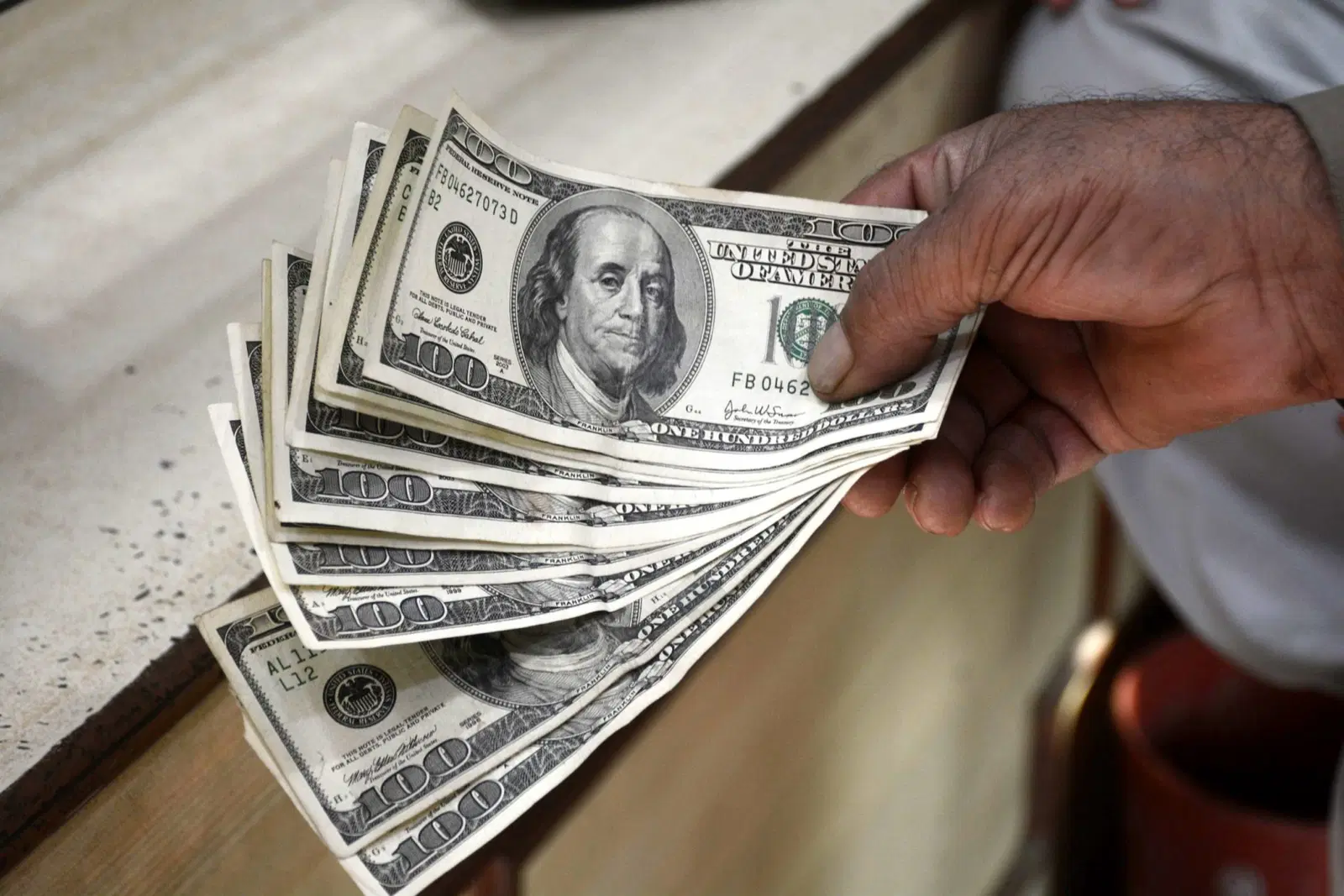
The Naira traded in a narrow band across both the official and parallel foreign exchange markets on Wednesday, with the Daily Nigerian Foreign Exchange Market fixing the dollar at about ₦1,468 per $1.
In contrast, the parallel, or black market, quoted the dollar slightly higher, between ₦1,480 (buy) and ₦1,495 (sell). Markets remained relatively calm following a period of modest gains for the Naira earlier in October.
Dealers indicated that liquidity on the official windows has improved slightly in recent weeks, managing to keep NFEM fixes clustered in the high ₦1,400s—rates that are notably well below typical parallel-market quotes.
Analysts point to the Central Bank of Nigeria’s recent policy decisions and easing inflation as key supporting factors for the Naira’s stabilization.
In September, the CBN trimmed its benchmark interest rate, signaling a loosening of monetary policy after an extended tightening cycle, a move that has helped calm foreign exchange (FX) volatility.
Despite this support, supply constraints and persistent demand from importers and retail customers continue to keep the parallel market premium intact.
Official (NFEM/NAFEX) rates are derived from electronic interbank trading and dealer submissions, representing a volume-weighted average reported daily, which is validated by the CBN and FMDQ processes.
Parallel market rates, however, reflect retail cash demand and supply and can move independently, particularly when official liquidity is thin or when banks limit customer access to FX. This explains why the parallel quotes on October 22 were roughly ₦15–₦30 higher than the NFEM fixing.
Consequently, importers and corporations depending on official windows will see rates near the NFEM fixing (approximately ₦1,468), while individuals buying or selling cash USD on the street will transact around the higher parallel prices (₦1,480–₦1,495).
Continued monitoring of CBN liquidity operations and FMDQ/NAFEX intraday flows is recommended for traders and businesses arranging FX today.