






The Major Energy Marketers Association of Nigeria says the removal of petrol subsidy marked the beginning of a new era of deregulation in the downstream sector, unlocking opportunities for innovation and digital transformation.
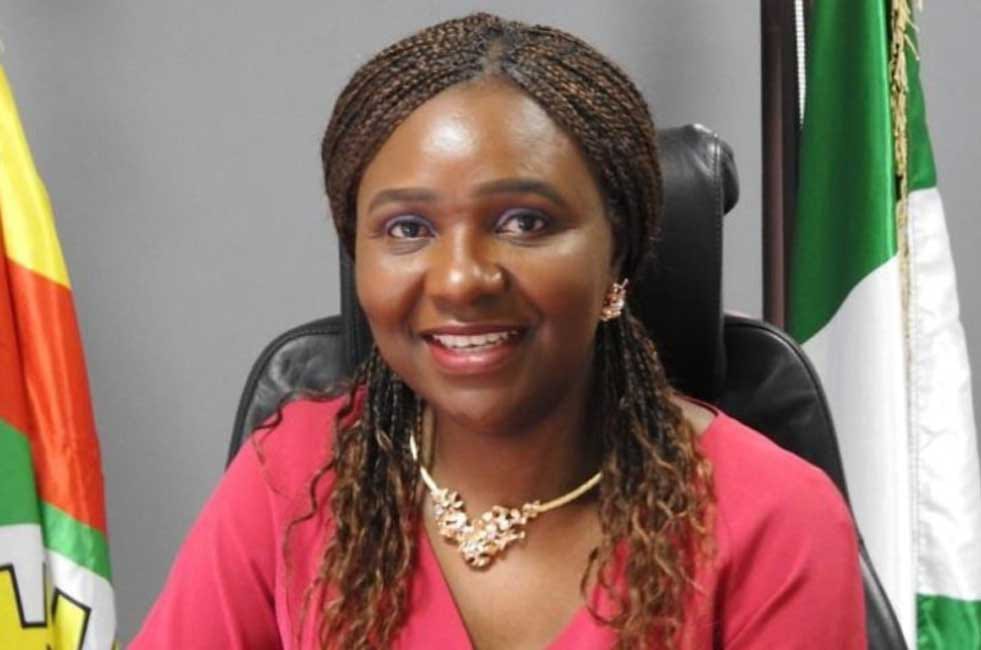
MEMAN Chairman, Huub Stokman, made this disclosure on Wednesday at the Oil Trading and Logistics Africa Downstream Week 2025 in Lagos.
President Bola Tinubu had announced the end of the subsidy on May 29, 2023, during his inauguration.
In October 2024, the Federal Government announced that oil marketers could purchase petroleum products directly from the Dangote Petroleum Refinery and other local producers as part of efforts to fully deregulate the downstream sector.
Stokman said the policy shift is accelerating the adoption of advanced operational models such as energy-as-a-service, virtual power plants, and peer-to-peer energy trading to enhance efficiency and access nationwide.
He noted that the removal of petrol subsidy has redefined Nigeria’s downstream market by enabling private players to innovate, compete, and invest across the energy value chain.
According to him, the industry is also embracing sustainable and digital technologies, including solar solutions and advanced monitoring systems, to optimize operations.
However, he emphasized that regulatory clarity and stability are essential to sustain investor confidence and ensure long-term growth in the sector.
“Significant investment is still required in refining, storage, distribution, and low-carbon infrastructure to meet Nigeria’s energy transition goals,” he said.
On Africa’s energy landscape, Stokman described the continent as confronting a “dual reality”, the need to tackle energy poverty while adapting to the global transition toward cleaner energy.
“Natural gas, whether LNG, LPG, or CNG, remains crucial for Africa’s transition, offering a cleaner option while driving industrialisation and energy access,” he noted.
He noted that about 600 million Africans still lack access to electricity, highlighting a vast opportunity for decentralized renewable solutions driven by digitalization and clean energy technologies.
Stokman further urged greater regional integration through cross-border gas pipelines and harmonized regulatory frameworks within the Economic Community of West African States and the Southern African Development Community.

