


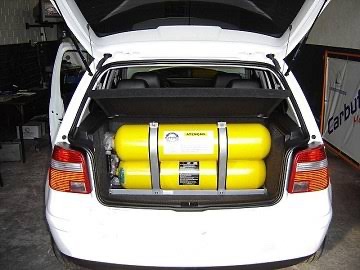
The Federal Government plans to set up 500 Compressed Natural Gas refuelling stations nationwide within three years to speed up Nigeria’s shift to cleaner, cheaper fuels and reduce reliance on petrol.
The move follows the completion of talks between the Midstream and Downstream Gas Infrastructure Fund and Chinese equipment maker Endurance Group on deploying large-scale CNG facilities, Executive Director Oluwole Adama said in a statement on Sunday.
The statement read, “The Midstream and Downstream Gas Infrastructure Fund concludes discussion with leading Chinese Manufacturer Endurance Group to make available 500 CNG refuelling stations across Nigeria for the next three years.”
Adama said the discussions produced an agreement to establish a government-backed Special Purpose Vehicle, jointly promoted by the MDGIF, the Bank of Industry, Endurance Group, and Séquor Investment Partners, to spearhead the project.
He said the SPV, to be called the Compressed Natural Gas Auto Mobility Infrastructure Company, will “deploy 500 integrated CNG refuelling stations, develop LCNG gas supply infrastructure, and provide CNG and LNG transportation trucks with truck-mounted cascades to create a virtual pipeline across all states.”
He added, “The collaboration underscores the parties’ commitment to accelerating Nigeria’s transition to cleaner fuels by addressing infrastructure gaps across the country’s CNG value chain. Under this agreement, we will set up the Compressed Natural Gas Auto Mobility Infrastructure Company, which will be used to deploy 500 integrated CNG refuelling stations, develop LCNG gas supply infrastructure, and provide CNG and LNG transportation trucks with truck-mounted cascades, forming a virtual pipeline across all states nationwide.”
Adama said the initiative will help end the long queues at existing CNG stations by increasing the number of refuelling points and improving logistics to ensure consistent, uninterrupted supply.
The move comes as the administration ramps up its push for gas as a cheaper alternative to petrol and diesel after ending fuel subsidies and liberalising the downstream market.
Officials have consistently maintained that widespread adoption of auto-CNG is essential for stabilising transport costs, strengthening energy security, and easing pressure on foreign exchange spent on fuel imports.