





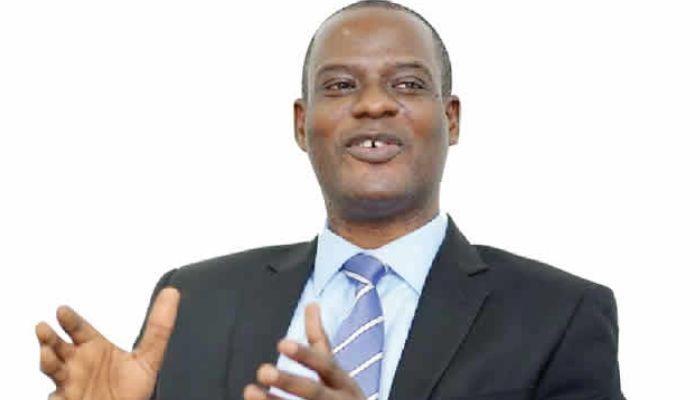

Nigeria is negotiating a $2 billion loan with China’s Export-Import Bank to fund a new “super grid” designed to ease chronic power shortages and drive industrial growth.
Minister of Power Adebayo Adelabu revealed this at an economic summit in Abuja on Monday, explaining that the proposed transmission network will connect the country’s eastern and western regions, home to most of Nigeria’s major industrial consumers.
He said the project aligns with the government’s plan to decentralize power generation and encourage large industrial users who had exited the national grid due to its instability to return.
“It’s part of plans to decentralize power generation in Nigeria and get the heavy commercial users that left the power grid because of its unreliability to return,” he said.
Nigeria’s persistent electricity shortages continue to hinder economic productivity. Although the country has an installed generation capacity of roughly 13 gigawatts, the national grid supplies only about one-third of that to its over 200 million citizens, with recurring grid collapses further aggravating the problem.
By contrast, South Africa—despite having only about a quarter of Nigeria’s population—boasts an installed generation capacity of roughly 70 gigawatts.
Nigeria’s unreliable power supply has forced many companies to depend on self-generation, which now provides nearly half of the nation’s total electricity consumption.
Adelabu said the proposed super grid aims to enhance transmission efficiency and deliver more power to industrial hubs, adding that the Federal Executive Council has already approved funding for the project.
Adelabu also disclosed that recent tariff adjustments for urban consumers boosted industry revenues by 70% in 2024, with projections indicating a further 41 per cent increase to ₦2.4 trillion ($1.6 billion) this year.
Nigeria’s power grid has suffered repeated collapses over the years, largely due to insufficient generation capacity, transmission bottlenecks, and technical faults.
Data from the Nigerian Electricity Regulatory Commission show that the grid experienced several partial or total collapses in 2024, raising fresh concerns about the sector’s reliability.
In early September, the country was plunged into another nationwide blackout following a grid collapse that lasted several hours — the second major incident of the year.

