
The administration of President Bola Ahmed Tinubu has released a comprehensive “Reform Scorecard,” detailing the economic trajectory of Nigeria three years into a series of aggressive fiscal and monetary overhauls.
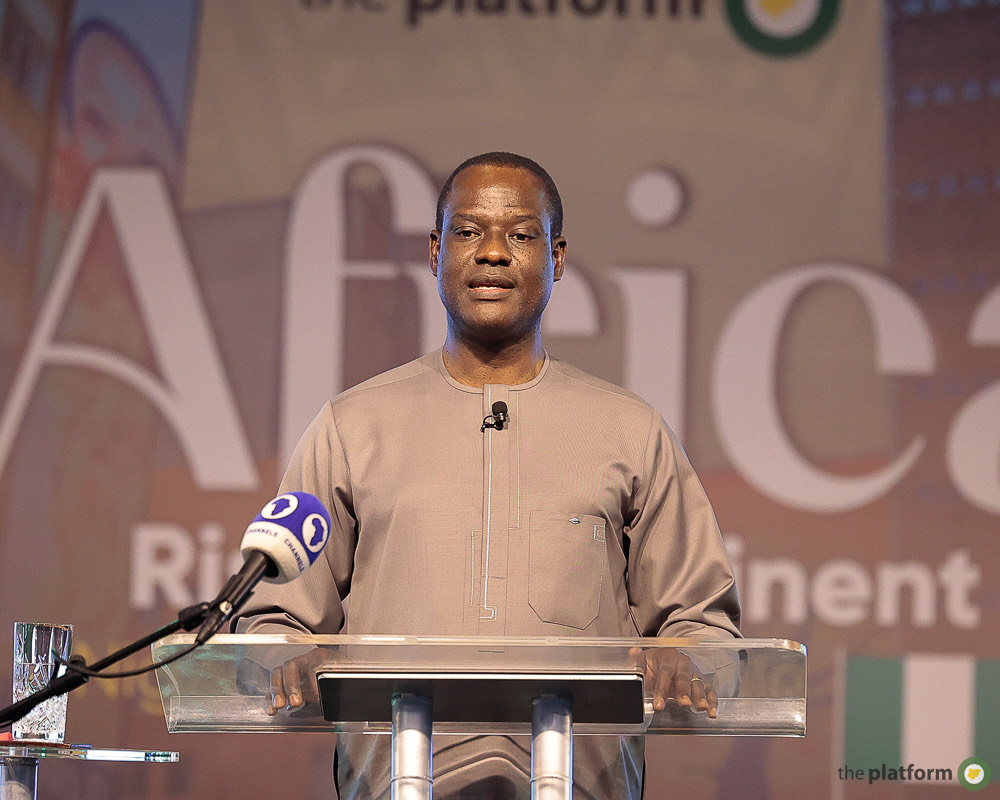
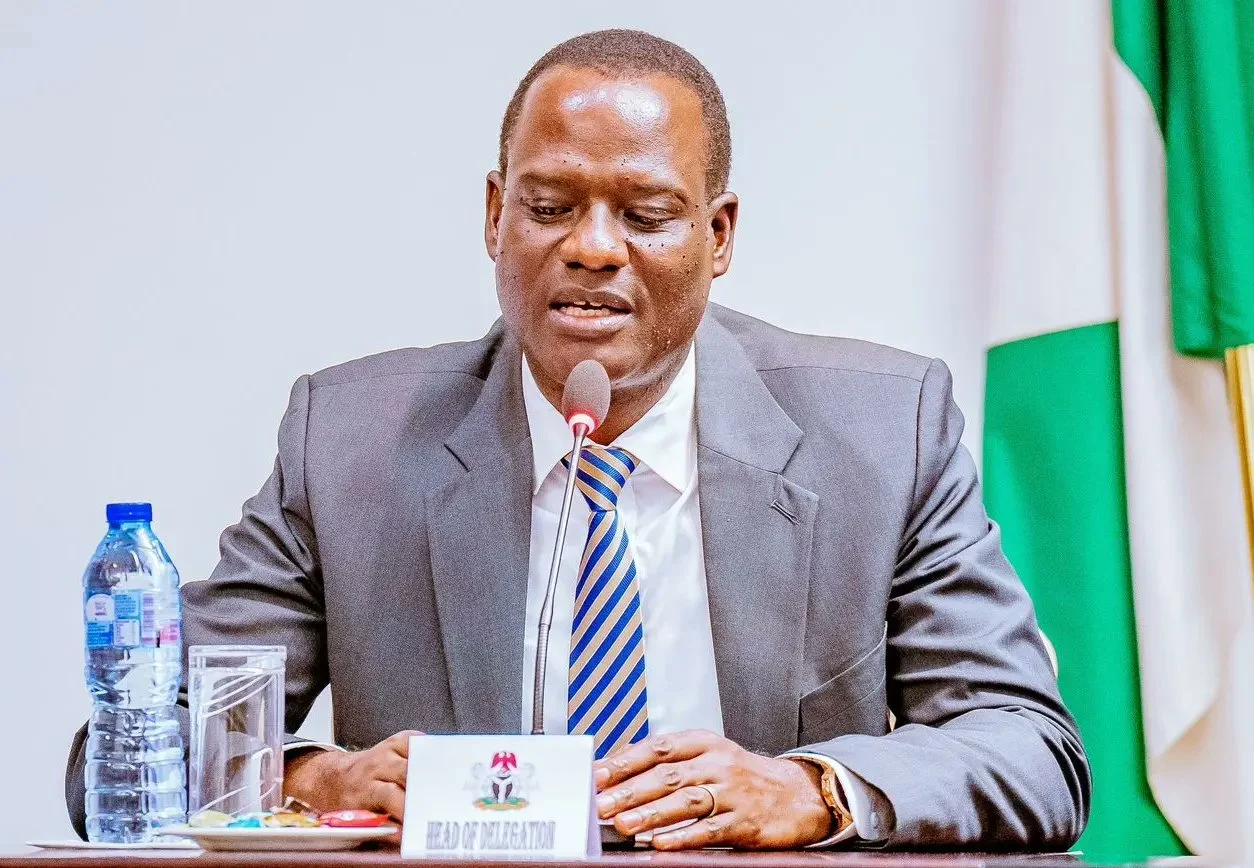
Delivered by Prof. Taiwo Oyedele at the Ministry of Finance in Abuja, the briefing offered a transparent accounting of the radical shifts following the removal of fuel subsidies and the unification of exchange rates.
While the report acknowledges the significant financial strain placed on Nigerian households, it argues that these “decisions came at a real cost” to prevent a total economic collapse.
Between June 2023 and December 2025, the removal of fuel subsidies and the unification of exchange rates jointly mobilized ₦15.8 trillion for the Federation.
The Federal Government’s share of ₦5.4 trillion, combined with independent revenue and strategic borrowing, created a total incremental resource pool of ₦20.4 trillion.
However, this was outpaced by ₦30.64 trillion in incremental expenses, primarily driven by public servant wage adjustments and external debt servicing exacerbated by the naira’s depreciation.
Prof. Oyedele emphasized that the reforms were not primarily revenue-driven: “It is instructive that the single largest expenditure line – wage adjustments, at ₦9.39 trillion – outstripped the Federal Government’s entire savings from subsidy removal. This is evidence that the reform was never introduced for revenue purposes, but to address entrenched corruption in an artificially managed fuel subsidy and foreign exchange market.”
The scorecard presents a dual narrative: the visible improvements in state solvency and the invisible harms that were allegedly averted.
In May 2023, 27 states struggled to pay salaries; today, that number has dropped to zero.
The report suggests that without reform, as many as 30 states would currently be unable to meet their payroll obligations.
Furthermore, the briefing addressed the stark rise in petrol prices, which jumped from ₦185 to as high as ₦1,400 per litre.
The government justifies this by pointing to a “no-reform” projection: “What I will say is what the counterfactual shows: on the pre-reform path, petrol would likely be simultaneously unavailable at the old official price and trading above ₦3,000 on the black market – a worse cost, paid in scarcity as well as money, with nothing gained in return.”
Macroeconomic data as of mid-2026 shows signs of stabilization.
Headline inflation has decreased to 15.91 per cent from a 2023 baseline of 22.4 per cent, and net foreign reserves have surged from $3 billion to $34.8 billion.
Internationally, Nigeria’s credit rating was upgraded to ‘B’ by S&P Global, and the country successfully exited the FATF grey list and the EU’s anti-money laundering deficiency list.
Despite these macro gains, the government admits that poverty reduction and household welfare remain “unfinished business”.
The next phase of the reform agenda aims to translate high-level stability into relief for the average citizen through expanded cash transfers, agricultural interventions to lower food prices, and full implementation of the Nigeria Tax Act.
Prof. Oyedele concluded with a call for constructive engagement: “We are not here to pretend these reforms were painless. We are here to show you, honestly and with the numbers, what they cost, the benefits they delivered, and the harm they prevented.”