
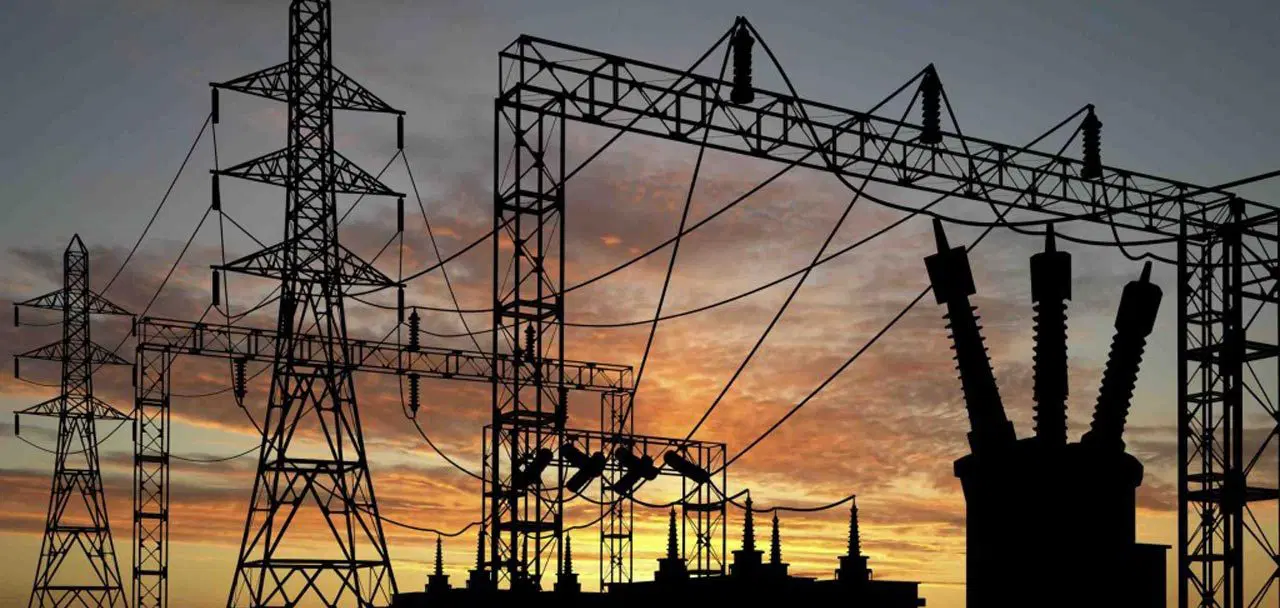

The Federal Government on Monday raised the sum of N728.9 billion in bonds to settle electricity Generation Companies, GenCos, as part of the N4 trillion debt owed to them.
This is the second bond raised from the bond market, with the first being the N501 billion raised in January 2026, bringing the total funds generated so far to N1.23 trillion.
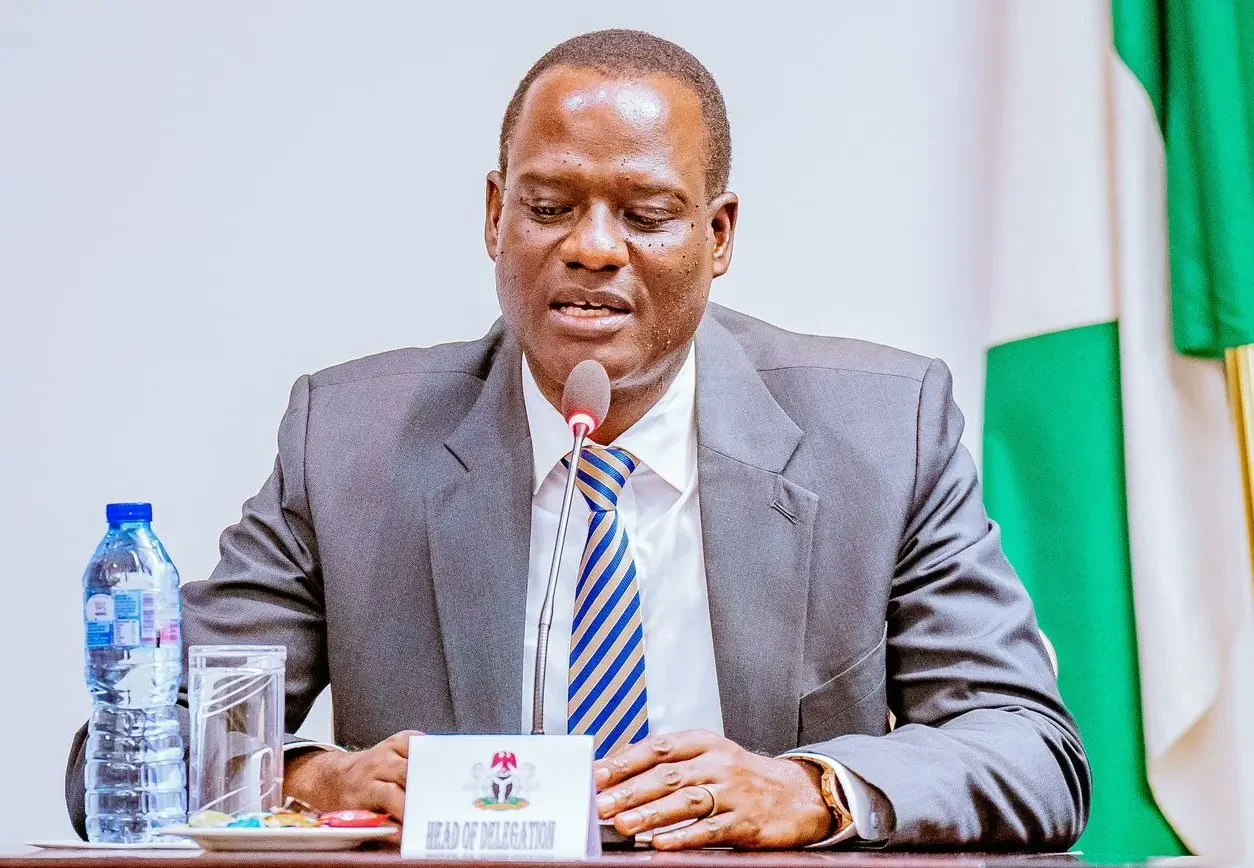
Speaking during the Signing Ceremony in Abuja to mark the Series 2 fresh power sector N729 billion bond, the Minister of Finance and Coordinating Minister of the Economy, Taiwo Oyedele, explained that the Series 2 bond comprises N402 billion in cash bonds raised from the capital markets and N326.9 billion in non-cash bonds allotted to participating generation companies under the Presidential Power Sector Debt Reduction Program.
“This transaction addresses an important challenge in Nigeria’s electricity markets, which is accumulated legacy obligations that have weakened liquidity, constrained investments and affected confidence across the value chain.
“The federal government’s objective is to resolve legitimate legacy obligations in a structured and transparent manner, while implementing the reforms necessary to prevent their recurrence.”
“This means the bond program cannot stand alone. It must be accompanied by stronger market discipline, improved revenue assurance, reduction in technical and commercial losses, greater efficiency and accountability across the electricity ecosystem. It is also important that we are leveraging Nigeria’s domestic capital markets.”
In his opening remarks, the Managing Director of the Nigerian Bulk Electricity Trading Plc, NBET, Akin Odeyemi, said the Series 2 issue has an aggregate value of approximately $729 billion and will be implemented in two tranches, Tranche A and B.
He said 11 generation companies are participating in this phase, compared with eight that participated under Series 1.
“The increased participation is a positive development and reflects the growing confidence of stakeholders in the program and its ability to provide a credible framework for addressing verified outstanding obligations to the sector.”
He stated that the accumulation of outstanding obligations affects the ability of market participants to meet their commitments and has constrained the capacity of generation companies to make further investments to increase their electricity generation capacity.
“It is therefore important that the Debt Reduction Program is viewed not simply as an initiative for settling historical debt, but also as part of a broader effort to restore financial confidence, liquidity and sustainability to the Nigerian electricity supply industry.”
The Special Adviser to President Bola Ahmed Tinubu on Oil and Gas, Olu Verheijen, who was represented by Eriye Onagoruwa, disclosed that the first series led to settlement agreements with 11 generation companies, representing 21 power plants.
“Now we are moving deeper into implementation with Series 2. As I said at the investor forum in July, Series 1 proved the model and Series 2 is scaling it. As important as it is, you would agree that scaling is what truly makes the difference.”
Meanwhile, the Director General of the Bureau of Public Enterprises, BPE, Ayodeji Gbeleyi, said the intervention must contribute to a more financially sustainable and commercially disciplined electricity market.
According to him, on this note, the Federal Government of Nigeria, through the BPE as the implementing agency and other key stakeholders, is also advancing complementary interventions in the distribution segment of the value chain through the World Bank-financed $500 billion Distributional Sector Recovery Program.
He said the implementation of the investment project financing component, including the deployment of metering at scale and revenue assurance intervention, is already manifesting and recording tangible improvements in customer enumeration, closing the metering gap, and bulk strength collection efficiency.
Similarly, the Special Adviser to the President on Power, Dr Lanre Babalola, said the Federal Government recognises that it cannot build the electricity market of the future while continuing to carry unresolved obligations from the past, and urged stakeholders to equally recognise that debt resolution by itself is not asset reform.
Babalola stressed that as the government addresses the stock of legacy debt, it must also tackle the causes of new debt accumulation.