





The Federal Government has announced renewed efforts to boost the pool of skilled automotive workers as part of its drive to promote the adoption of made-in-Nigeria vehicles.
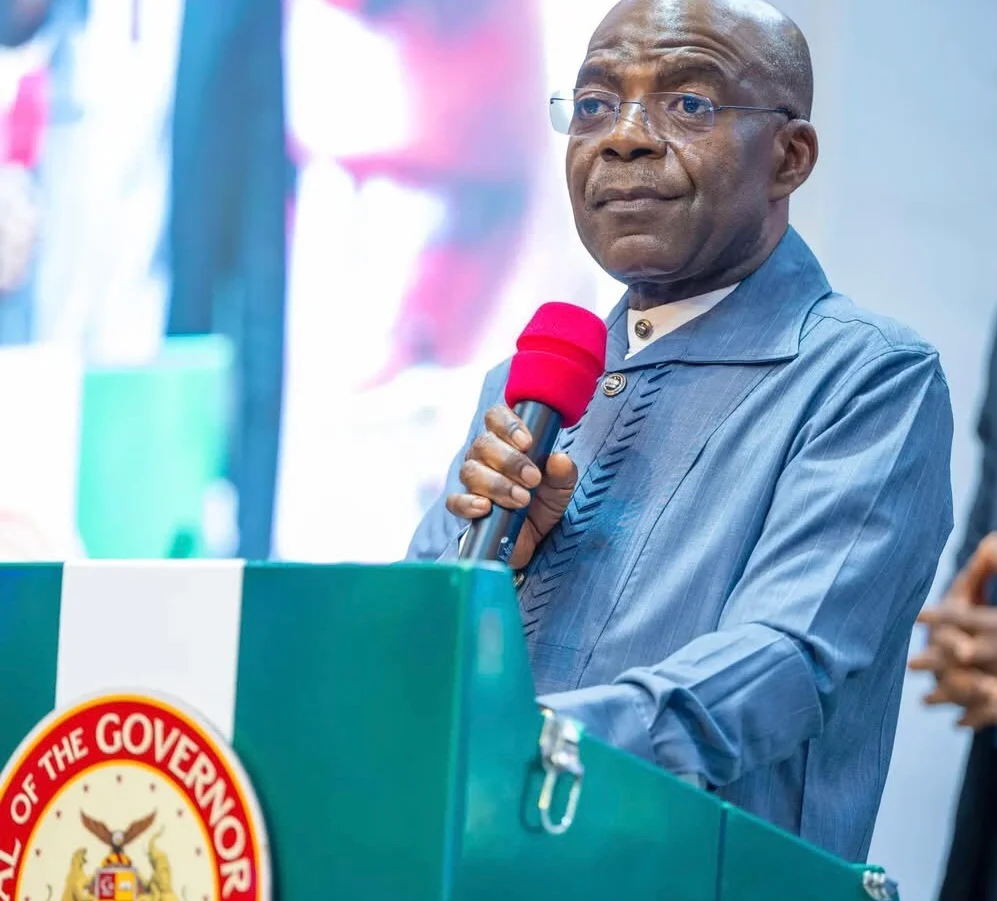
Speaking on Monday at the commissioning of the National Automotive Design and Development Council Training Centre at Lagos State University of Science and Technology, Ikorodu, the Minister of State for Industry, Senator John Enoh, said government is committed to upskilling workers through specialised training programmes.
Enoh explained that the NADDC initiative, which targets the establishment of 21 training centres nationwide, is a practical step in advancing the National Automotive Industry Development Plan. He noted that the initiative aims to address persistent challenges faced by auto manufacturers, including the lack of skilled manpower and spare parts availability across different regions.
According to him, the Lagos centre marks “a new chapter in Nigeria’s industrial journey” and reflects the government’s determination to strengthen local automotive manufacturing.
He explained that the NAIDP is designed to achieve three key goals: boost local production of made-in-Nigeria vehicles with at least 40 per cent local content, create over one million jobs, and cut down reliance on imports.
Enoh emphasized that without adequate infrastructure, industrial policy would remain only aspirational. He added that NADDC’s plan to set up training centres nationwide demonstrates how policy is being matched with action, stating, “We hope that these centres will ensure capacity building, skills transfer, and technology diffusion are not just concepts but realities that touch the lives of our people.”
Meanwhile, the Director-General of NADDC, Joseph Osanipin, disclosed that the council has completed 16 out of the 21 planned automotive training centres across the six geopolitical zones, with three — including the Lagos centre — already commissioned.
He explained that in the pilot phase, six training centres were established in Benin (Edo State), Osogbo (Osun State), Lokoja (Kogi State), Bauchi (Bauchi State), Gusau (Zamfara State), and Abakaliki (Ebonyi State), marking the foundation of the nationwide project.