




The Minister of Marine and Blue Economy, Adegboyega Oyetola, has revealed that the Federal Government has begun procuring services and equipment to modernise seaports outside Lagos, aiming to promote balanced development across Nigeria’s maritime hubs.
He made the disclosure on Wednesday in Lagos during the 2025 Chartered Institute of Logistics and Transport Nigeria Conference, themed, “Enhancing Logistics and Transport for a Sustainable Blue Economy in Nigeria.”
Represented by the Managing Director of the Nigerian Ports Authority, Dr. Abubakar Dantsoho, the minister explained that the ongoing port modernisation initiative seeks to upgrade infrastructure, enhance cargo handling efficiency, and expand capacity to meet international standards.
Oyetola emphasized that the government is collaborating with all stakeholders to establish a paperless, technology-driven port system designed to boost efficiency, shorten turnaround times, and reduce opportunities for corruption.
“As part of this commitment, the Federal Government has approved a $1bn modernisation project for the Lagos ports, a landmark initiative designed to upgrade infrastructure, improve cargo handling, and expand capacity to meet global standards. In addition, the procurement process has commenced for similar modernisation projects at ports outside Lagos to ensure balanced development across our maritime gateways,” he said.
Oyetola stated that these initiatives demonstrate the administration’s commitment to enhancing logistics performance and competitiveness in the marine and transport sectors, positioning Nigeria as a leading hub for maritime trade and investment.
He added that, through strategic initiatives like the Deep Blue Project, Nigeria has maintained a three-year record of zero piracy incidents.
“Since the inception of the Ministry, we have focused on strategic reform and institutional strengthening. With the Deep Blue Project and other interventions, we are safeguarding our maritime domain to encourage investment and reduce the cost of doing business. I am glad to inform you that for more than three years, Nigeria has recorded zero piracy incidents on its waterways,” he stated.
The minister further disclosed that the government has formulated a comprehensive 10-year National Blue Economy Strategy to harmonize maritime, fisheries, logistics, and coastal development policies within a unified, sustainable framework.
He noted that the ministry is fostering an enabling environment for private sector investment through regulatory reforms, public-private partnerships, and targeted incentives designed to drive innovation and create jobs across the maritime value chain.
Oyetola emphasized that the ministry’s ultimate goal is to foster sustainable and inclusive growth, ensuring a balance between economic opportunities, environmental stewardship, and social equity.
“Our goal is not growth for growth’s sake, but sustainable and inclusive growth, one that balances economic opportunity with environmental stewardship and social equity. Therefore, I urge CILT and its members to continue to champion the adoption of smart and green transport technologies, promote capacity building for young professionals and operators, advocate for data-driven planning in logistics management, and deepen collaboration with the Ministry and other stakeholders to align expertise with national priorities,” he said.
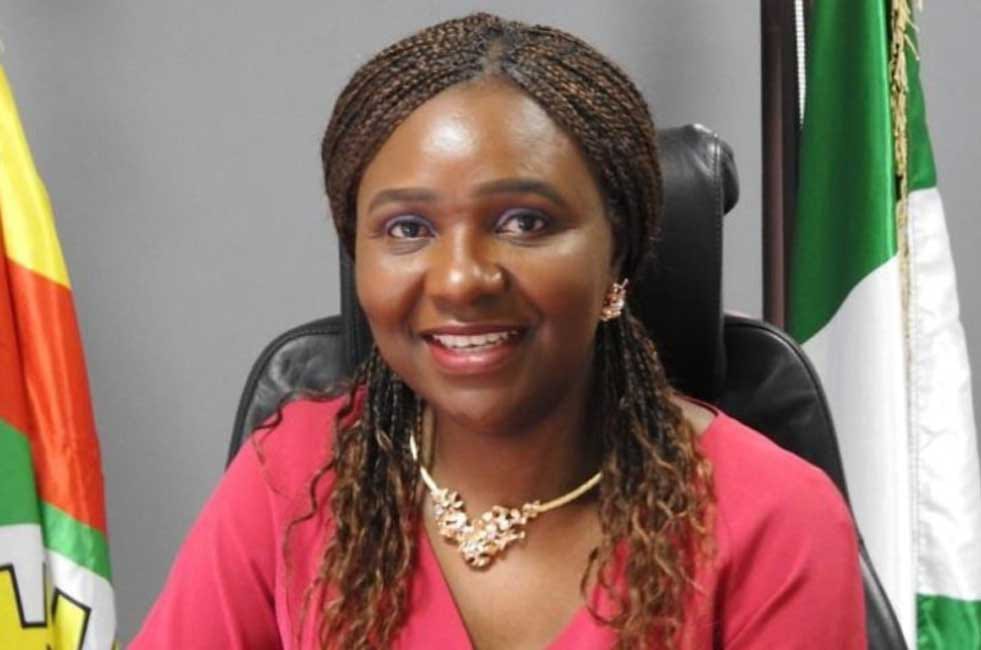
Earlier, the President of CILT Nigeria, Mfon Usoro, reported that the institute’s revenue has grown over the past four years, highlighting the success of its ongoing financial reforms and governance initiatives.
She credited the growth to sound financial discipline, accountability, and strategic oversight, noting that all projects and expenditures are now reviewed by the Finance, Budget, and Audit Committee.