



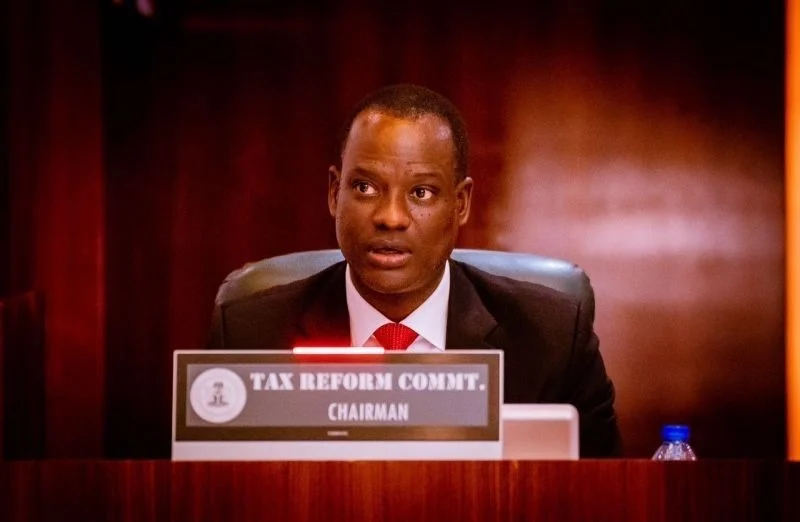
The Federal Government has reaffirmed that the implementation of Nigeria’s newly enacted tax reform laws will begin on January 1, 2026, despite growing controversy over alleged discrepancies in the versions of the Acts published in the Official Gazette.
The Chairman of the Presidential Fiscal Policy and Tax Reforms Committee, Taiwo Oyedele, made this known on Friday after briefing President Bola Tinubu in Lagos, stressing that the reforms are intended to reduce the financial burden on Nigerians rather than to generate immediate revenue for government.
“The plan to commence the new tax laws on January 1, 2026, remains on course. These reforms are designed to provide relief to the Nigerian people,” Oyedele told journalists.
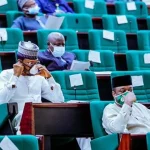
His remarks followed a directive by the National Assembly ordering the re-gazetting of the four tax reform laws after complaints emerged that the gazetted versions differed from those passed by lawmakers.
Oyedele explained that the reforms would lead to a significant reduction in tax obligations for most Nigerians, with particular benefits for low-income earners and small business owners.
“About 98 per cent of workers at the bottom of the income ladder will either pay no personal income tax or pay less,” he said.
“In addition, about 97 per cent of small businesses will be exempt from corporate income tax, VAT and withholding tax, while large businesses will also see reduced tax obligations.”
According to him, the broader objective of the reforms is to stimulate economic growth, promote inclusion and ensure that prosperity is shared across the population.
“We are focused on economic growth and fairness. When the economy grows, revenue increases naturally as more people and businesses participate,” Oyedele explained.
Responding to concerns about the country’s readiness to implement the reforms, Oyedele said preparations have been ongoing for several months, starting from the time the bills were transmitted to the National Assembly in October 2024.
“The bills spent nine months at the National Assembly, and preparation started from day one. Since presidential assent in June 2025, we have also engaged in capacity building, system upgrades and nationwide sensitisation,” he noted.
He acknowledged that tax reform is a continuous process but insisted that the government is adequately prepared to begin implementation.
“You never achieve perfection at once. You improve as you go along, and we believe we are at a good point to commence implementation,” he said.
Oyedele further disclosed that two of the four tax laws, namely the Nigeria Revenue Service Establishment Act and the Joint Revenue Board Establishment Act, took effect on June 26, 2025, to enable the relevant institutions to adjust ahead of the full rollout.
Clarifying revenue expectations, he emphasised that the reforms are not driven by the need for instant income generation.
“This reform is not about instant revenue. Over time, revenue will come from growth, expansion of the tax base, removal of inefficient incentives and better compliance,” he said.
Despite the assurances, the tax reforms have generated controversy following claims by a member of the House of Representatives, Abdussamad Dasuki (Sokoto), that the gazetted versions of the laws contained provisions not approved by the legislature.
Dasuki warned during plenary that the alleged alterations raised serious legal and constitutional concerns, pointing to contentious provisions such as arrest powers, garnishment without court orders and compulsory foreign currency assessments.
In response to the claims, the National Assembly directed its Clerk to re-gazette the laws and issue Certified True Copies of the versions duly passed by both chambers.
The House of Representatives spokesman, Akin Rotimi, said the directive, jointly issued by Senate President Godswill Akpabio and Speaker Tajudeen Abbas, was aimed at protecting the integrity of the legislative process.
“This step is intended to ensure clarity, accuracy and proper documentation of the legislative record,” Rotimi said.
An ad hoc committee chaired by Muktar Betara (APC, Borno) has also been constituted to investigate the alleged discrepancies and to trace the process from the passage of the bills to presidential assent and eventual gazetting.