

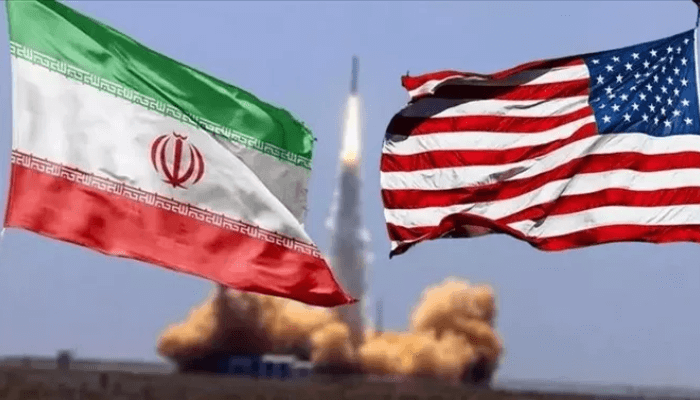




The Federal Government has reiterated its commitment to a market-driven petrol pricing system, stating that it has no plans to impose price controls despite growing geopolitical tensions in the Middle East that have increased volatility in global oil markets.
This was disclosed by the Minister of Finance and Coordinating Minister of the Economy, Wale Edun, during an interview aired on Wednesday on Politics Today on Channels Television.
Edun stated that the government intends to find other ways to relieve the cost-of-living burden on Nigerians without undoing important market reforms.
He noted that the Tinubu administration’s economic approach relies on market-based pricing for petroleum products and foreign exchange, aiming to correct distortions that had existed for years.
“Rather than now reverting back and taking a backward step, we will look at every other measure that can help the cost of living of Nigerians without resorting to non-market pricing,” Edun said.
“It is the market price. That is what has been instilled by Mr President that was missing for so long, market pricing of petroleum products.”
The minister stated that while the Middle East conflict may affect global oil prices, the government will address the impact through targeted policy measures rather than direct intervention in fuel pricing.
Asked about possible government action if petrol prices spike, he stressed that intervention would occur only in exceptional cases.
“Our demand is about 50 million litres per day, and the refiners say they can meet that demand, so we are in a relatively strong position,” Edun said.
He further noted that Nigeria’s investments in refining have enhanced the country’s ability to withstand global disruptions that have compelled some nations to limit fuel supplies.
“At this time, the resilience that the Nigerian economy has is coming largely from the fact that we do have that investment in refining,” he stated.
While higher oil prices boost revenue, the minister warned that geopolitical tensions also pose significant risks.
“You have gains on one side from higher oil prices, but you also have costs on the other side, particularly freight and other supply chain disruptions,” he noted.
He also cautioned that ongoing global inflationary pressures could drive up interest rates worldwide, increasing borrowing costs for many countries, including Nigeria.
Edun however noted that Nigeria’s economy has remained resilient amid external shocks, pointing to gains in exchange rate stability, external reserves, inflation management, and overall economic growth.