
The Federal Competition and Consumer Protection Commission has launched an investigation into the circumstances surrounding Uber’s withdrawal from the Nigerian market.
The commission is specifically looking into whether the ride-hailing company left behind any unresolved obligations or services owed to its customers.
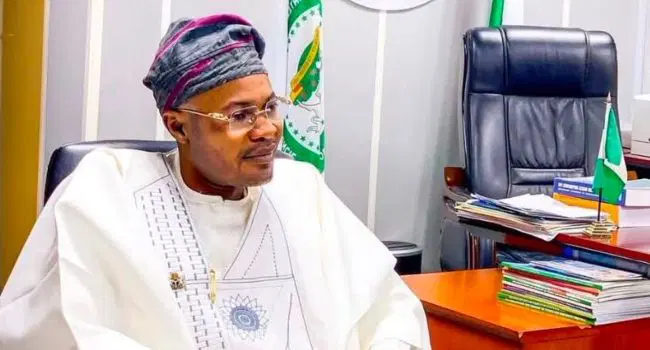
FCCPC Chief Executive Officer, Tunji Bello, confirmed this development in a message to Bloomberg, disclosing that officials were reviewing the circumstances that led to the company’s departure.
Bello said the commission was “looking into the manner of their exit, particularly in respect of unfulfilled services to the customers.”
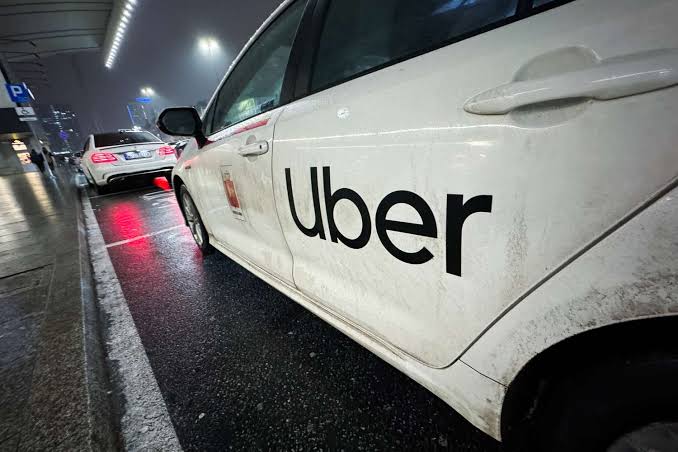
Uber had announced on September 2 that it was discontinuing its operations in Nigeria and Uganda, bringing to an end its Nigerian operations, which had begun in Lagos in 2014.
In a notice sent to its drivers, the company described the decision as a “tough decision,” noting that users would no longer be able to receive trip requests through the Uber application from the effective date.
The company did not provide a specific reason for its withdrawal.
Uber, however, said its Help Centre would remain open to drivers seeking clarification about the development until September 24.
The exit comes at a time of intense competition within Nigeria’s ride-hailing sector, with operators such as Bolt and inDrive contending for passengers and drivers, even as rising operational costs and economic pressures continue to weigh on the industry.
The development also follows a disagreement between Uber and the Federal Airports Authority of Nigeria, FAAN, over the regulation of e-hailing services at the nation’s airports.
FAAN Managing Director, Olubunmi Kuku, said the authority bore no responsibility for Uber’s decision to exit Nigeria, explaining that its interventions had been focused on passenger safety, accountability and curbing touting at airports.
Kuku said FAAN had been pressing e-hailing companies to accept liability provisions concerning the conduct and safety of drivers operating on their platforms.
According to her, “One of the issues we were struggling with the e-hailing companies over was largely around liability clauses.”
She added that the authority also wanted the companies to accept greater responsibility for the drivers using their platforms.
“But we also wanted them to take responsibility for the drivers. However, we were told that those drivers are not Uber’s drivers; rather, they are independent drivers,” Kuku said.
She explained that this position had created difficulties whenever safety concerns arose, as Uber had directed passengers to rely on the safety features available on its platform rather than accepting direct responsibility for the drivers.
The FCCPC’s inquiry could therefore help determine whether Uber adequately addressed its outstanding obligations to Nigerian consumers before bringing its operations to a close.