
Nigeria has received €1.5 million, representing about 65 per cent of the European Union’s €2.3 million emergency humanitarian funding for four African countries battling cholera outbreaks.
The European Commission disclosed this in a statement published on Monday, August 17, 2026.
The funding, which also covers Cameroon, the Central African Republic and Chad, will support disease surveillance, case management, water and sanitation measures, and community awareness.
Nigeria received the largest share of the funding as the country continues to respond to cholera outbreaks in several states.
The European Commission said the €2.3 million emergency funding was allocated to help Nigeria, Cameroon, the Central African Republic and Chad respond to ongoing cholera outbreaks.
Nigeria received €1.5 million, while the Central African Republic received €500,000, Chad €200,000 and Cameroon €100,000.
“The European Commission has allocated €2.3 million in emergency humanitarian funding to Nigeria, Cameroon, the Central African Republic and Chad to support these countries in addressing the ongoing cholera epidemic,” the statement read in part.
“In Nigeria, €1.5 million will help increase the number of intervention teams, provide essential supplies such as cholera kits, and support water, sanitation and hygiene interventions, including the treatment of public water points and household water.”
The Commission said the funding will also intensify epidemiological surveillance in inaccessible areas, strengthen cholera case management, improve risk communication and support community sensitisation.
The allocations will support country-specific measures aimed at containing cholera outbreaks and reducing transmission.
The Central African Republic received the second-largest share, followed by Chad and Cameroon.
Cameroon will use its €100,000 allocation for outbreak containment and case management, including additional humanitarian staff, essential medicines, cholera treatment units and oral rehydration points.
The Central African Republic will use €500,000 to scale up case management and vaccination, alongside water, sanitation and hygiene interventions.
The funding in the Central African Republic will also support risk communication, community engagement, surveillance, case detection and dignified and safe burials.
Chad will use its €200,000 allocation to improve access to water, sanitation and hygiene and support community surveillance and case management.
The Commission said the funding comes as cholera continues to pose a significant public health challenge in Africa.
According to the World Health Organisation, more than 61,000 cholera cases were reported in the African Region during the first five months of 2026.
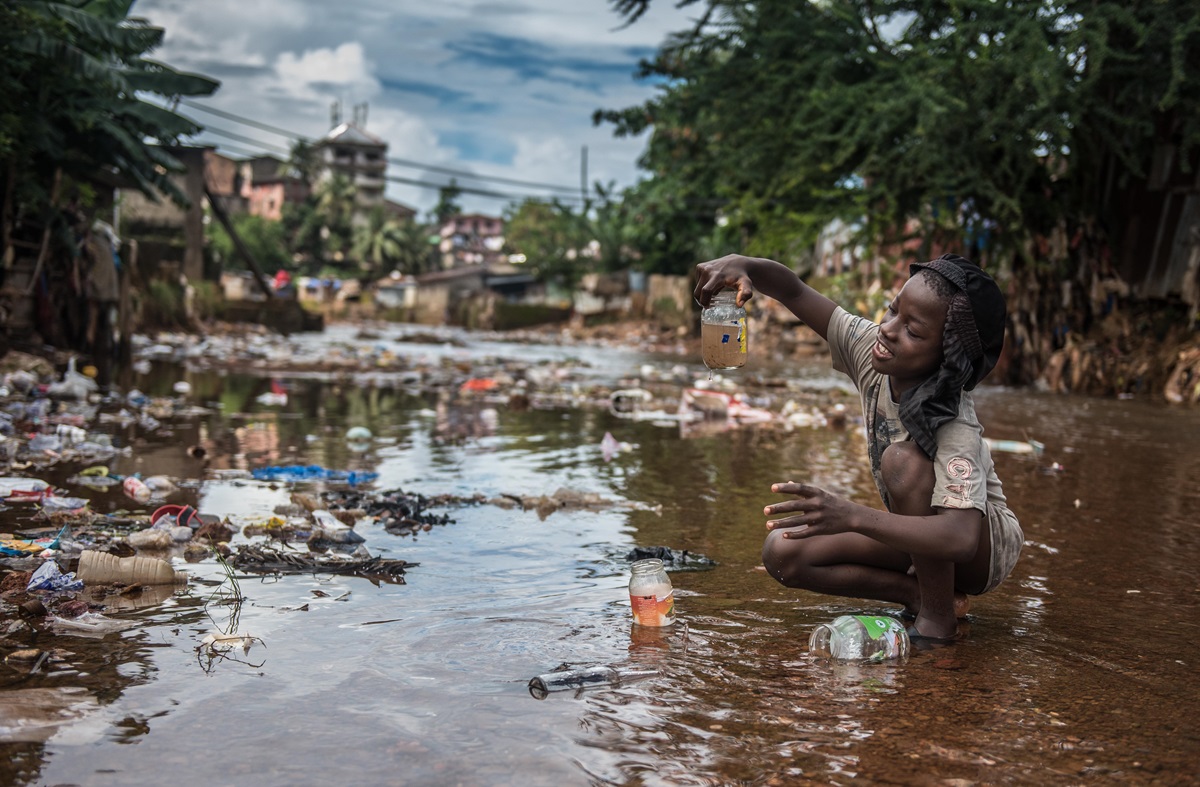
Nigeria has continued to record cholera outbreaks, with poor water, sanitation and hygiene infrastructure, seasonal flooding and population displacement contributing to the risk of transmission.
In June 2026, Nairametrics reported that Plateau State had recorded 11 confirmed cases and five deaths, alongside 53 suspected cases in communities in Mangu Local Government Area.
In June 2026, an outbreak in Borno State infected more than 7,800 people across 14 local government areas.
The Borno outbreak placed significant pressure on healthcare facilities and prompted emergency response measures.
Médecins Sans Frontières (MSF) and health authorities expanded treatment capacity while intensifying surveillance, hygiene promotion and vaccination planning.
The Plateau cases were reported in Pushit, Mangu 1 and Mangu 2 communities.
The outbreaks highlight the continued risk of cholera transmission in communities with limited access to clean water and sanitation services.
Cholera remains a recurring public health risk in Nigeria, particularly during the rainy season when flooding, poor sanitation and limited access to clean water can increase transmission.
The disease spreads through contaminated food and water, with communities lacking basic Water, Sanitation and Hygiene (WASH) infrastructure particularly vulnerable.
Rural and displaced populations face higher risks due to limited access to healthcare.
Health experts continue to call for improved sanitation and access to safe water.
Nigeria is also monitoring other infectious disease threats, including Ebola, following regional alerts.
The NCDC has confirmed no Ebola cases in Nigeria, while FAAN has strengthened screening at international entry points as a precaution.
The EU funding is therefore expected to support immediate cholera response measures in Nigeria while strengthening surveillance, treatment and water and sanitation interventions in affected communities.